

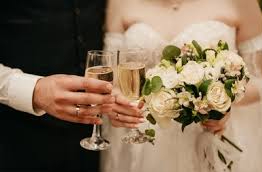
BEDFORD — Love, family, and centuries-old customs have long defined the walk down the aisle. But a closer look at modern weddings reveals that many of the rituals that once defined “I do” are quietly fading, as couples increasingly prioritize personality over formality.
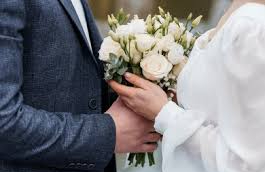
From superstitions born in the age of arranged marriages to trends that have simply gone out of style, modern couples are making their own rules. The classic, regimented wedding is giving way to a more relaxed celebration focused on organic social time and personal expression.
Here is a look at the beloved—and sometimes awkward—wedding traditions that are increasingly being left behind.
Before the Ceremony: Trading Superstition for a Snapshot
Many of the customs dictating how a couple prepares for their vows were rooted in ancient superstitions or royal trends. Today, they are being reimagined through a modern lens.
| Fading Tradition | The History & Symbolism | The Modern Alternative |
|---|---|---|
| Not seeing each other before the wedding | Born from the era of arranged marriages, this rule was meant to prevent the couple from backing out. It later evolved into a romantic superstition. | Many couples now opt for a private “first look” photo session before the ceremony to capture the moment intimately without the pressure of a crowd. |
| Marrying in white | Popularized by Queen Victoria in 1840, the white gown originally symbolized purity and immense wealth. | Modern weddings increasingly feature colorful gowns, jumpsuits, or non-traditional attire that simply reflects the bride’s personal style. |
| Wearing a veil | Once meant to protect the bride from evil spirits and symbolize modesty, the veil was a staple of the bridal ensemble. | Today, many brides favor modern hairpieces, fresh flowers, or no headwear at all, treating the accessory purely as an optional fashion choice. |
The Reception: From Formal Structure to Flexible Festivities
The timeline of the wedding reception is being dismantled in favor of an inclusive party atmosphere. Rather than following a strict script, couples are opting for comfort and connection.
- Ditching the Roast: Roast-style speeches—humorous toasts that sometimes poke fun at the couple—are being replaced by heartfelt, sincere messages. The change is driven by a desire to avoid awkward or offensive moments.
- Abolishing Receiving Queues: Instead of standing in a formal post-ceremony line to greet every guest, couples prefer to mingle casually during the cocktail hour and reception, ensuring they don’t miss out on the party.
- The End of Uniformity: The tradition of matching bridesmaids’ dresses in the same color, cut, and fabric is giving way to a mix of styles, shades, and prints. This allows bridal parties to choose flattering outfits they can actually wear again.
- Flexible Feasts: The classic, plated three-course dinner is frequently being swapped for food trucks, interactive buffet stations, or heavy hors d’oeuvres, offering a less formal vibe and greater budget flexibility.
Saying Goodbye to the Awkward and the Antiquated
Several participatory rituals, once considered reception staples, are being skipped entirely as couples seek less dated forms of entertainment.
The custom of splitting family seating (the bride’s guests on the left, the groom’s on the right) is quickly disappearing. Modern ceremonies frequently feature signs inviting guests to “choose a seat, not a side,” reflecting the blending of families.
The bouquet and garter tosses are also among the most frequently skipped traditions today. The bouquet toss, once viewed as a good luck charm for single women, and the garter toss, a lighthearted but often uncomfortable custom, are regularly replaced by group dancing or anniversary dances that honor long-married couples.
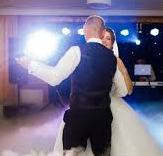
Even the wedding exit and the afterparty are changing. Concerns over cleanup and local wildlife have caused couples to replace traditional rice throwing with bubbles, sparklers, or flower petals. Similarly, the “dollar dance”—where guests paid to dance with the newlyweds to fund the honeymoon—is often passed over as outdated, with couples favoring digital registry funds instead.
Even the cake isn’t immune to the modern shift. Rather than choking down a freezer-burned, year-old slice of cake on their first anniversary, newlyweds are increasingly choosing to eat the top tier immediately, opting to order a fresh, mini replica from their baker one year later.
As modern weddings continue to evolve, it is becoming clear that the ultimate tradition is now simply to create a uniquely personal celebration.

