

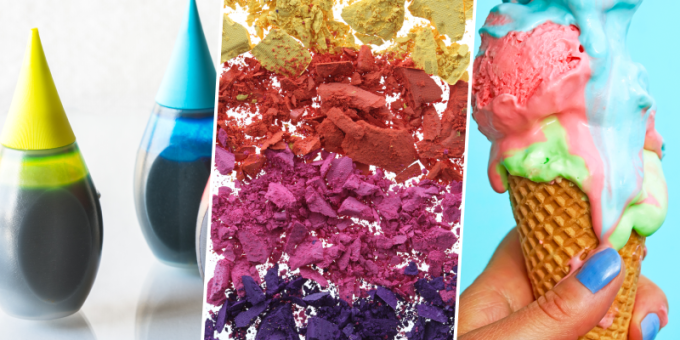
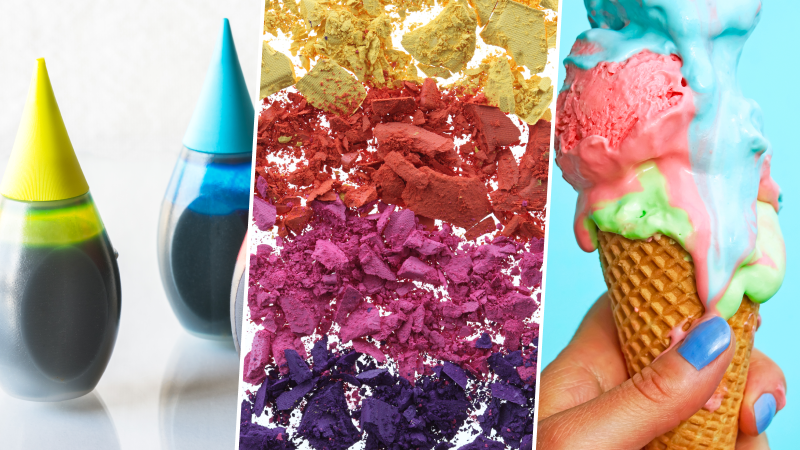
INDIANA — From the deep red tint in fruit punch to the bright green hue of mint toothpaste, color additives are a quiet but ubiquitous part of daily consumer life. Found in everything from cough syrup and eyeliner to contact lenses and morning cereal, these dyes and pigments serve to visually enhance the human experience.
But exactly how safe are these widespread substances?
According to the U.S. Food and Drug Administration (FDA), the short answer is that they are highly secure—provided they are used exactly as directed.

“Color additives are safe when used properly,” said Linda Katz, M.D., M.P.H., director of the FDA’s Office of Cosmetics and Colors. “There is no such thing as absolute safety of any substance. In the case of a new color additive, the FDA determines if there is ‘a reasonable certainty of no harm’ under the color additive’s proposed conditions of use.”
By law, the agency is strictly banned from approving any color additive found to cause cancer in either animal or human testing.
To manage the massive influx of dyes in the U.S. marketplace, the FDA splits permitted color additives into two core regulatory categories, both held to identical safety standards:
1. Certifiable Color Additives
These are man-made substances derived primarily from petroleum and coal sources. Because they are synthetic, they must undergo a rigid batch certification process. Manufacturers must submit a physical sample of each chemical batch to the FDA, which tests it for composition and chemical purity.
Once certified, these additives are assigned a formal name consisting of a prefix, a color, and a specific number—such as FD&C Yellow No. 6 (frequently found in ice cream, cereals, and baked goods). The prefixes denote their legal boundaries:
- FD&C: Approved for Food, Drugs, and Cosmetics.
- D&C: Approved strictly for Drugs and Cosmetics.
- Ext. D&C: Approved only for External Drugs and Cosmetics.
2. Exempt Color Additives
These pigments are obtained directly from natural plant, animal, or mineral sources. Examples include annatto extract and grape color extract. While they bypass the individual batch-testing requirement, they are still legally classified as artificial color additives and must comply with overall federal restrictions.
The FDA warns that a dye approved for one specific consumer product cannot be legally used in another.
A prominent example of this restriction involves the body modification industry. Despite frequent claims by tattoo parlors that their inks utilize “FDA-approved” pigments, the agency confirms it has never approved any color additive for injection into human skin. This restriction also applies to permanent makeup. Similarly, while natural henna is fully approved for dying hair, it remains illegal for use on the skin.
Furthermore, there are rare exceptions to pre-market oversight. Synthetic organic dyes, traditionally known as “coal-tar dyes,” can be sold in commercial hair dyes without prior FDA approval, provided the packaging explicitly carries a statutory caution statement and directions for users to perform a preliminary skin patch test.
Allergic Reactions and Behavior Concerns
While adverse responses to color additives are historically rare, they do occur. For instance, FD&C Yellow No. 5 (also labeled as tartrazine on medicine containers) is known to trigger itching and hives in sensitive individuals. To protect consumers, the FDA mandates that all color additives be clearly declared on product ingredient labels.
The agency also addresses ongoing public anxiety regarding how artificial colors impact children’s neurobehavior.
While a 2011 convening of the FDA’s Food Advisory Committee concluded that a definitive causal link between certified color consumption and behavioral effects had not been scientifically established, the agency noted that certain children may possess unique sensitivities. The FDA stated it will continue to actively monitor emerging neurobehavioral research on the matter. In the meantime, parents looking to minimize artificial dyes are urged to carefully review commercial food ingredient panels.

