

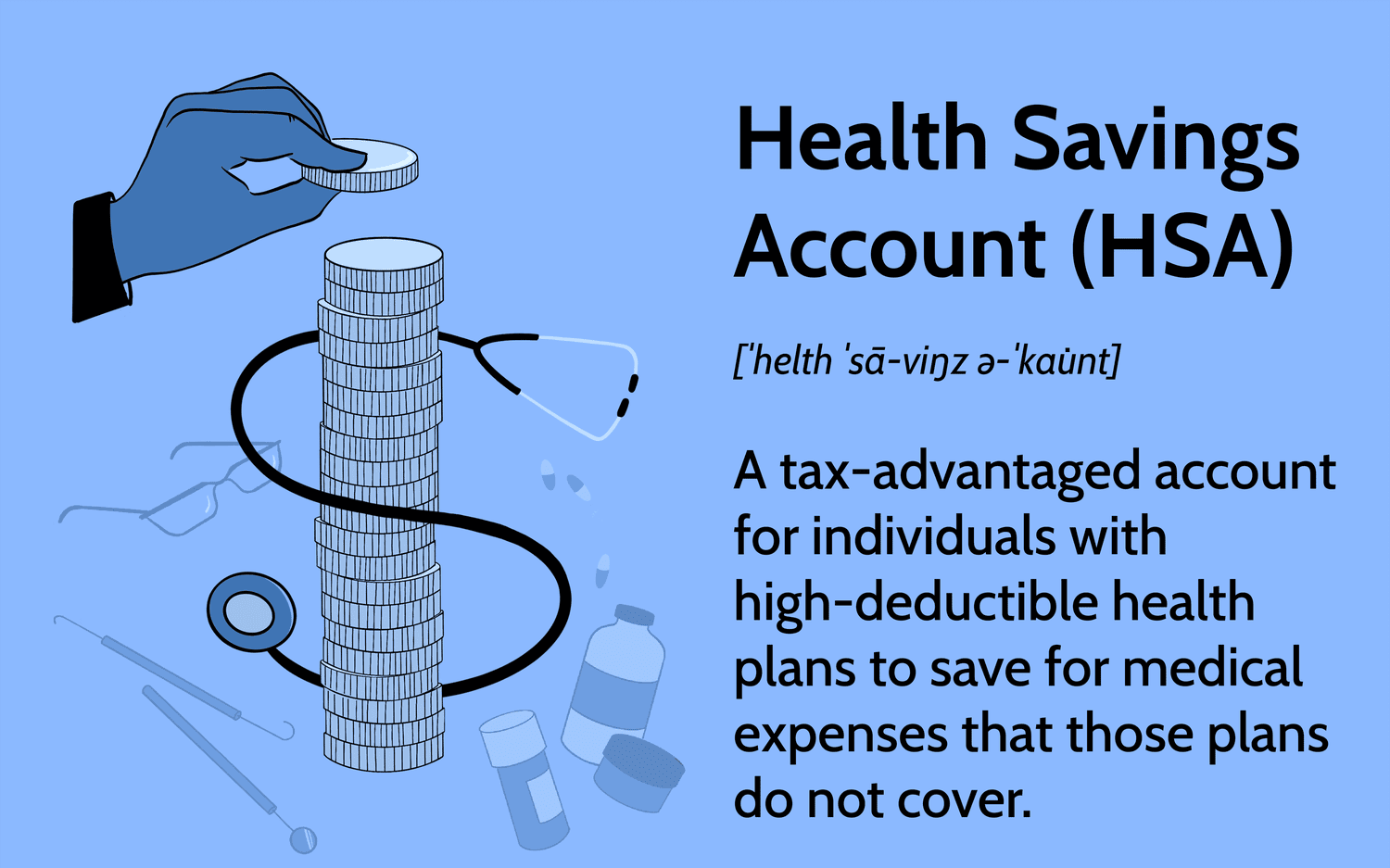
NATIONWIDE — In a move to help Americans keep pace with the rising costs of healthcare, the Internal Revenue Service has officially announced a boost to the annual contribution limits for Health Savings Accounts (HSAs) for the 2027 calendar year.
According to Revenue Procedure 2026-24, the tax-deductible contribution caps will climb to $4,500 for individuals with self-only coverage and $9,000 for those with family plans. The adjustments represent an increase of $100 and $250, respectively, over the 2026 thresholds, allowing savers to shield more of their earnings from federal taxes.
The annual adjustments are calculated using the Chained Consumer Price Index for All Urban Consumers (C-CPI-U), a specific metric tied to shifting economic inflation and healthcare sector costs.

Understanding the ‘Triple-Tax’ Advantage
Financial advisors frequently point to HSAs as one of the most powerful, tax-advantaged investment vehicles available under the U.S. tax code due to their rare “triple-tax” shield:
- Upfront Deductions: Contributions made to an HSA are 100% tax-deductible (or pre-tax if completed through an employer’s payroll deduction framework), reducing the saver’s overall taxable income for the year.
- Tax-Free Growth: Any interest or investment earnings accrued within the account compound over time completely free of federal capital gains or income taxes.
- Tax-Free Withdrawals: Funds pulled from the account are entirely exempt from taxes, provided the money is used to pay for qualified out-of-pocket medical expenses, such as deductibles, co-pays, prescriptions, and dental or vision care.
Unlike Flexible Spending Accounts (FSAs), which generally carry strict “use-it-or-lose-it” annual rules, HSA funds do not expire at the end of the year. Unused balances roll over indefinitely, allowing participants to build a long-term medical nest egg or invest the capital into mutual funds for retirement.
2027 Qualification and Plan Thresholds Are Higher
To legally contribute to an HSA, savers must be enrolled in an HSA-compatible High-Deductible Health Plan (HDHP). Alongside the contribution updates, the IRS has bumped up the minimum structural baselines that health insurance policies must meet to qualify as an HDHP in 2027:
- Minimum Annual Deductibles: For 2027, a qualifying health insurance plan must have a deductible of at least $1,750 for self-only coverage (up from $1,700 in 2026) or $3,500 for family coverage (up from $3,400).
- Out-of-Pocket Maximums: To qualify, a plan’s total out-of-pocket limit—including deductibles, co-payments, and co-insurance—cannot exceed $8,700 for individual plans (up from $8,500) or $17,400 for family plans (up from $17,000).
Senior Catch-Up Provisions Remain Fixed
For older Americans planning out their healthcare savings, the IRS noted that the catch-up contribution limit remains completely unchanged.
HSA participants who are 55 or older by the end of the calendar year are legally permitted to contribute an additional $1,000 above the standard limits. Because this specific catch-up provision is fixed by federal statute and is not indexed to inflation, it remains static. Consequently, the maximum total 2027 saving capacity for individuals aged 55 and up jumps to $5,500 for self-only accounts and $10,000 for family coverages.
Benefits administrators and financial planners are urging employers to integrate these newly released 2027 figures into upcoming autumn open-enrollment guides and payroll software systems. Consumers are heavily cautioned to audit their contribution pacing throughout the year; under current codes, any excess allocations beyond the official IRS caps are subject to an immediate 6% excise penalty tax if not corrected before filing corporate or personal tax returns.

