


INDIANA— The Indiana Department of Health (IDOH) and local healthcare providers are urging Hoosiers to take immediate prevention measures following a sharp, unseasonal spike in norovirus outbreaks reported across the state.
Commonly referred to as the “stomach bug” or “stomach flu,” norovirus is noted by public health officials as the leading cause of viral gastroenteritis and foodborne illness in Indiana. While the virus historically peaks during the colder winter months between November and April, recent surveillance data indicate that highly contagious clusters are continuing to rapidly spread through Hoosier communities well into late spring.
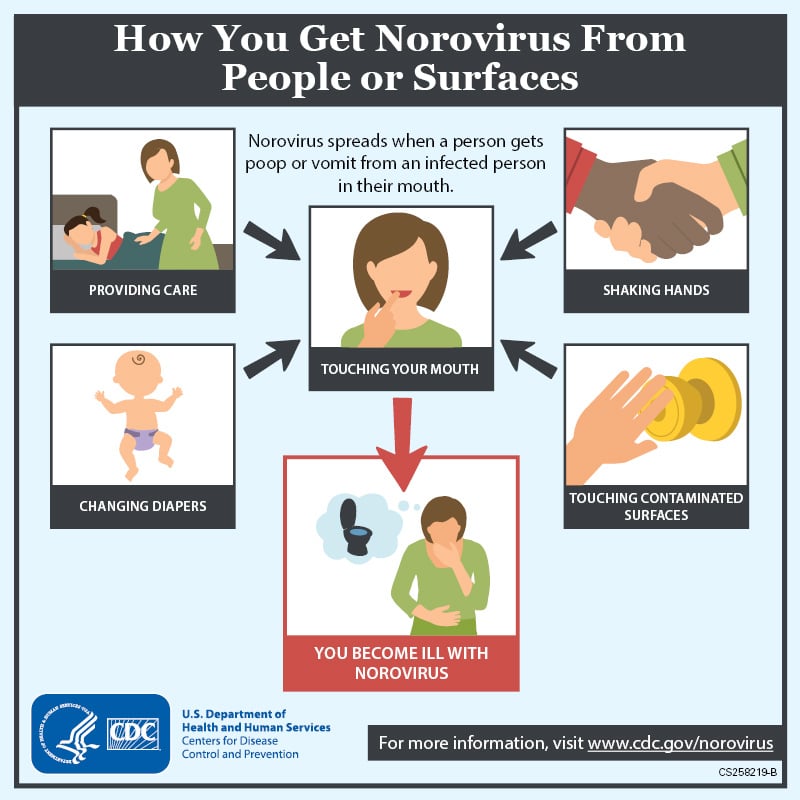
According to data compiled by the Centers for Disease Control and Prevention (CDC) and state public health networks, the recent uptick in cases has predominantly impacted group environments where the virus can spread easily.
“Norovirus is a uniquely resilient pathogen,” said Kristen Kelley, an executive director of quality and safety with IU Health. “It is far sturdier than viruses like the flu or COVID-19, allowing it to survive on dry surfaces for days or even weeks. This makes containment especially challenging in high-traffic, close-quarter facilities.”
State epidemiologists note that current outbreaks are primarily concentrated in three specific sectors:
- Long-Term Care and Healthcare Facilities: Accounting for more than half of all reported outbreaks, nursing homes and assisted living facilities have faced prolonged containment challenges introduced by staff, visitors, or shared dining services.
- Schools and Childcare Centers: Elementary classrooms and local daycares have experienced localized surges, occasionally forcing temporary classroom closures due to rapid student and staff absenteeism.
- Food Service Settings: Restaurants and catered events remain a primary vector, often traced back to infected food handlers inadvertently contaminating ready-to-eat items like leafy greens, fresh fruits, or baked goods.
Symptoms and Dehydration Risks
A person exposed to norovirus typically develops symptoms within 12 to 48 hours. The onset is notoriously sudden, with infected individuals experiencing severe nausea, forceful projectile vomiting, watery diarrhea, and intense abdominal cramping. Secondary symptoms can include low-grade fevers, headaches, and general body aches.
While most healthy individuals recover fully within one to three days without medical intervention, health officials warn that the relentless fluid loss can quickly become dangerous.
“The big thing for families to watch for is signs of dehydration,” Kelley added, noting that the risk is highest for infants, young children, older adults, and individuals with preexisting medical conditions. “If fluids are coming out of both ends, it’s critical to focus on fluid replacement using solutions containing electrolytes, such as sports drinks or oral rehydration formulas.”
Medical professionals advise that because norovirus is a viral infection, antibiotics are completely ineffective. Residents are urged to rest at home and manage symptoms through continuous hydration rather than visiting overwhelmed emergency rooms, unless severe dehydration symptoms—such as a steep drop in urination, extreme dizziness when standing, or dry mouth—manifest.
The Hand Sanitizer Misconception
Public health departments are using the current surge to bust a dangerous and widespread myth regarding prevention: alcohol-based hand sanitizers do not kill norovirus.
Because the virus lacks an outer lipid envelope, standard foam and gel sanitizers are incapable of neutralizing the particles. Health officials emphasize that the single most effective way to prevent catching or spreading the bug is rigorous, physical handwashing with warm soap and water for at least 20 seconds.
Guidelines for Prevention and Containment
To help halt the current chain of transmission, the Indiana Department of Health has issued the following safety protocols:
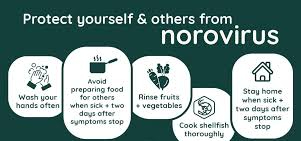
- Scrub Thoroughly: Wash hands frequently, especially after using the restroom, changing diapers, and strictly before preparing or consuming food.
- Isolate the Sick: Anyone experiencing vomiting or diarrhea should completely isolate from others and is legally barred from preparing, cooking, or serving food for others until at least three full days after all symptoms have completely vanished.
- Bleach It Out: If an accident occurs in a household, immediately clean and disinfect surrounding surfaces using a chlorine bleach-based solution. Most standard household disinfectant sprays are ineffective against norovirus; a mixture of 5 to 25 tablespoons of household bleach per gallon of water is recommended for high-touch surfaces.
- Wash Hot: Immediately remove and wash contaminated clothing or bedding. Handle items carefully without shaking them, and launder them using hot water and the maximum drying cycle.
Local health departments request that if residents suspect an outbreak is linked to a specific public venue or commercial food service establishment, they contact their county health office immediately to initiate an environmental safety investigation.

