

INDIANA – In the US, 1 in 5 people suffer from hay fever every year. The symptoms, including sneezing and irritated eyes, are often worsened for pet owners, as their four-legged friends bring pollen from the outside world into the home.
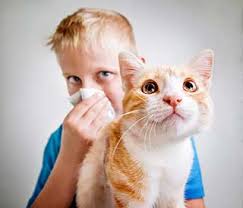
As Americans and their pets spend more time outside and pollen levels peak, pet expert Tom Sadler at Furvelo.com has shared six expert tips to combat hay fever hell this summer. Sadler said: “Most pet owners don’t realize their dog or cat is essentially a pollen delivery system, bringing allergens straight from the park to the couch.”
1. Use baking soda when washing pet bedding and accessories
Owners should wash their pet’s bedding and accessories, including all leashes, harnesses, and outdoor clothing, every two to four weeks. This is because the fabric can deposit pollen and dirt throughout the home.
To clean them effectively, soak pet bedding and accessories in warm water and dish soap for at least 20 minutes. If odors and stains persist, it may be worth putting them in the washing machine with a gentle, pet-friendly detergent.
Baking soda is a saving grace for dog owners suffering from allergies. If in doubt, add two teaspoons to warm, soapy water when soaking. Owners can also create a paste with two teaspoons of baking soda and a small amount of water to target stubborn fabrics.
2. Discover every owner’s “miracle” balm
Owners can use allergen barrier balms to avoid hay fever disasters. For example, there are balm products aimed at humans that trap allergens when applied around the nostrils and orbital bone (brow bone).
There are also lesser-known products aimed at pets. When applied to a pet’s paws and coat, nourishing balms act as a protective layer against pesky pollen. This reduces the risk of allergens being transferred throughout the home.
3. Store pet-friendly cleaning products in the car
Hay fever symptoms worsen in enclosed spaces. Driving in a car after a dog walk, for example, is the prime time for allergens to spread, especially as owners are hesitant to open the window and allow more pollen inside.
As such, owners should stock their cars with adequate cleaning supplies, such as a vacuum and pet-friendly wipes. A quick vacuum or wipe-down can help reduce the risk of allergy attacks while getting from the park to the sofa.
4. Invest in allergy-blocking gadgets
Every pet owner should invest in high-quality grooming tools, especially if they are eager to reduce the symptoms of hay fever, as pet fur can spread pollen and other allergens found outside.
Electrostatic grooming tools are a great way to remove allergens from pet fur. Whether people prefer using brushes or vacuums, these handy gadgets can help make homes pollen-free this summer. Among the most useful electrostatic grooming tools are hair removal gloves, which attract and remove loose pet fur from coats, furniture, and clothing.
Electromagnetic mats are also useful for reducing the spread of allergens as they collect stray pollen and dander found on pets. It’s best practice to place these mats by doors, couches, and pet beds.
5. Wear pollen-repelling clothing
The clothing that owners and pets wear when leaving the house can exacerbate hay fever symptoms. Owners should avoid dog coats made from cotton, for example, as pollen gets easily caught in the fibers.
Instead, prioritize clothing made from smooth materials, such as nylon and polyester, as these are easier to wipe clean after time spent outside. However, it’s important to choose breathable fabrics as the warmer months approach.
6. Correctly wash your pet
Owners should wash their pets to remove allergens such as pollen and dander. The frequency depends on the animal, with dogs needing to be bathed approximately once a month unless dirty. However, some owners are doing this wrong.
It’s important to avoid overwashing pets as this can lead to them developing dry and sensitive skin. Instead, owners should focus on rinsing paws and using pet-friendly wipes on fur after encountering pollen and other allergens.
By following these steps, pet owners will significantly reduce the risk of worsening their hay fever symptoms this summer.

