

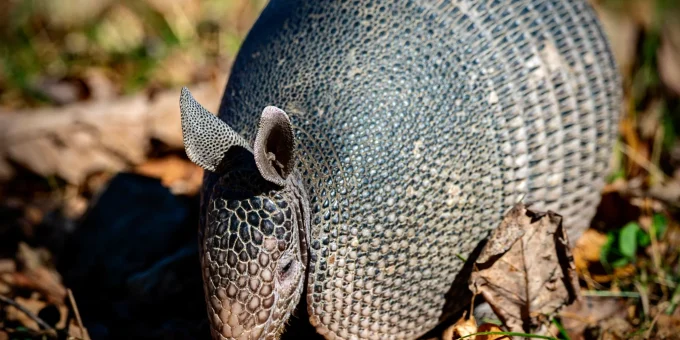
INDIANA — The Indiana Department of Natural Resources (DNR) is asking residents to keep their eyes on the ground and report any local sightings of the nine-banded armadillo. Once considered an exclusive resident of the deep American South, the armored, cat-sized mammal is rapidly establishing a permanent foothold in the Hoosier State.
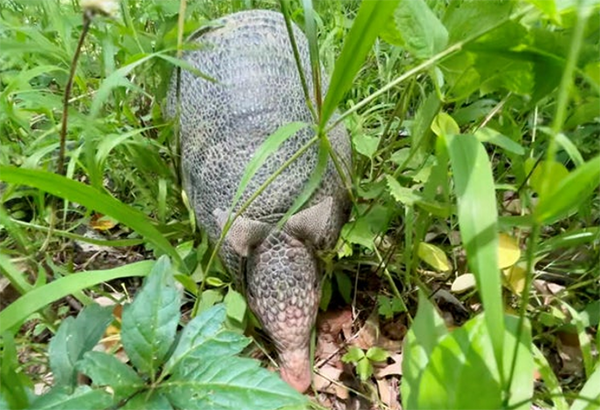
While armadillos were first documented in southwestern Indiana in 2003, state biologists report that their numbers have surged over the last few years. According to DNR data, roughly 75% of all confirmed armadillo sightings in Indiana history have occurred just since 2018.
While still most common in the southern half of the state, roaming individuals have been documented as far north as Porter and Steuben counties near the Michigan border.
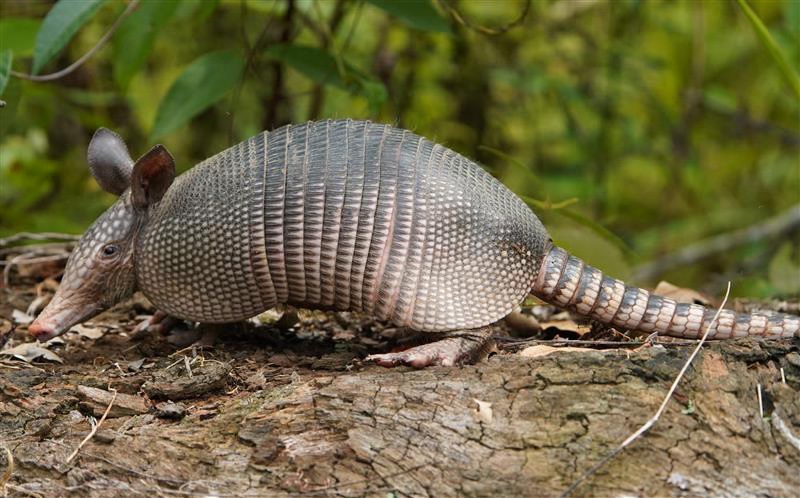
Wildlife specialists note that a combination of factors is driving this rapid northward migration:
- Milder Winters: Armadillos have virtually no body fat and cannot hibernate. They rely on loose, unfrozen soil to dig for ground insects, grubs, and larvae. Warmer winter trends have made it much easier for them to survive cold months farther north.
- Abundant Wooded Habitat: Southern Indiana’s dense forests offer an abundance of decaying wood, which provides a prime food source of insects.
- Lack of Predators: Aside from occasional interactions with coyotes or bobcats, armadillos face very little natural predatory pressure in Indiana, allowing their populations to grow relatively unchecked.
Nine-banded armadillos are true “ecosystem engineers.” They dig extensive underground burrows—sometimes utilizing more than 30 separate dens a year—which later provide crucial, ready-made shelter for native Indiana rodents, reptiles, and amphibians.
How Citizens Can Help State Biologists
The DNR is actively tracking the species to determine if the animals are successfully breeding statewide. Every female armadillo litter consists of genetically identical quadruplets born from a single egg, meaning localized populations can multiply quickly if reproduction is confirmed.
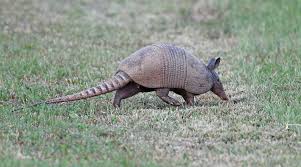
To map this expansion, wildlife managers are urging the public to use the online DNR Report a Mammal tool.
Officials emphasize that sightings of dead armadillos (roadkill) are just as valuable for data collection as live ones, as they help biologists confirm the exact boundaries of the animal’s geographic range.
If you encounter a live armadillo on your property, state officials advise keeping your distance. While they are generally harmless, they have poor eyesight and rely heavily on smell; if startled, they are known to jump straight up into the air, which can cause injury if someone is standing too close.
Additionally, the nine-banded armadillo is classified as an exotic protected species in Indiana. It is illegal to trap, hunt, or keep them as pets unless they are actively causing substantial physical damage to your home’s structure or property.
To report a sighting, view the statewide tracking map, or learn more about the species’ habits, visit on.IN.gov/report-a-mammal.