

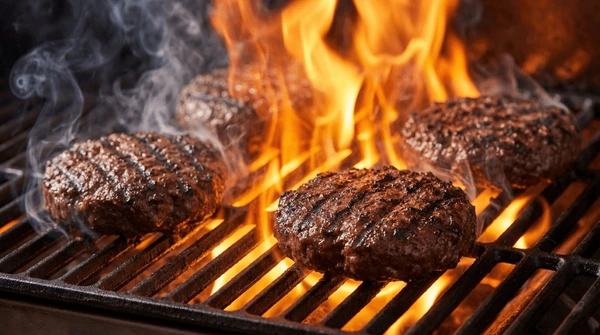
BEDFORD — With Memorial Day weekend widely recognized as the unofficial start of the summer season, millions of Americans are preparing to fire up their backyard grills. However, federal safety experts warn that the shift to outdoor cooking brings a substantial, predictable spike in residential fires and burn injuries.
According to recent data published by the National Fire Protection Association® (NFPA®), the warmer months mark the absolute peak of the year for home grilling fires. Statistically, July represents the most dangerous month for outdoor cooking accidents, closely followed by June, May, and August.

“Outdoor grilling is a popular way to cook during the warmer months, but it does present the risk of fire and burns,” said Lorraine Carli, vice president of Outreach and Advocacy at NFPA. “We want to help ensure that the grilling season remains a safe one for everybody.”
By the Numbers: The Cost of Backyard Barbecues
A comprehensive review of fire data highlights the severe impact of cooking-related property damage and injuries across the country:
- Annual Incidents: U.S. fire departments responded to an annual average of 12,141 residential fires involving grills, hibachis, or barbecues.
- Structure vs. Yard: The annual average includes 6,110 structure fires (homes, garages, porches) and 6,031 outdoor or unclassified fires.
- Human & Financial Toll: These incidents resulted in an annual average of 15 civilian deaths, 171 reported civilian injuries, and $241 million in direct property damage. Safety officials note that almost all structural and financial losses stem directly from home structure fires.
The Main Culprit: Gas Grills and Dirty Equipment
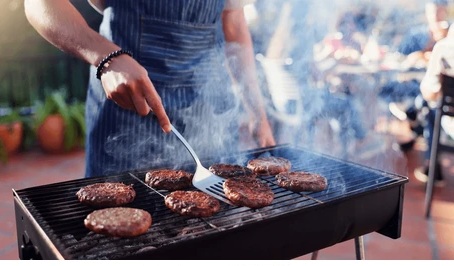
When looking at the mechanics behind these fires, data shows that propane and gas-fueled appliances pose a significantly higher risk than traditional charcoal setups.
Gas vs. Charcoal Risk Breakdown
| Grill Fuel Type | Share of Total Fires | Annual Average Fires | Common Cause Profile |
| Gas / Propane | 76% | 9,235 fires per year | Leaks or breaks caused 6% of structural and 13% of outdoor gas fires. |
| Charcoal / Solid Fuel | 13% | 1,610 fires per year | Improper disposal of hot coals; volatile accelerants/starter fluids. |
Failure to Clean
Regardless of fuel type, failing to maintain equipment is the single most common mistake homeowners make. One-fifth (20%) of all grilling fires were caused by a buildup of grease and fat on uncleaned grills, making a dirty cooking surface the leading contributing factor to accidental ignition.
Dangerous Placement
Location is another critical element. Roughly 25% of home structure fires involving grills started directly on an exterior balcony or an open porch. In 8% of those structural fires, an outside wall caught fire first, while 3% began when the structural framing or wood members ignited.
Essential Grilling Safety Guidelines
“Knowing when and where grilling fires tend to happen helps people better understand where risks exist and how to reduce their likelihood,” Carli emphasized.
To prevent property damage or personal injury, the NFPA recommends the following baseline safety protocols:
- Check for Leaks: For propane setups, routinely spray soapy water on the gas tank hoses and connections. If bubbles form when the gas is turned on, there is a leak.
- Clear the Area: Position your grill a safe distance away from your home’s vinyl siding, deck railings, roof eaves, and low-hanging tree branches.
- Keep It Open: Always make sure the grill lid is completely open before lighting a gas-powered unit to prevent a dangerous buildup of trapped gas.
- Establish a Safe Zone: Keep children and household pets at least three feet away from the hot grilling area.
- Use Fluids Safely: If cooking with charcoal, only use specialized charcoal starter fluid. Never squirt starter fluid or any other flammable liquids directly onto a fire that is already lit.
- Cool the Coals: When finished cooking, allow charcoal ashes to cool completely for several hours before disposing of them inside a heavy metal container.
- Stay Alert: Never leave a lit grill unattended while in use.
Homeowners seeking deeper safety insights can access further resources via the NFPA’s educational podcasts, informational videos, and breakdown of local fire codes.

