

WASHINGTON, D.C. — As the landscape of the American workforce undergoes a permanent demographic shift, federal health officials are urging employers to modernize their operations to accommodate a rapidly aging labor pool.

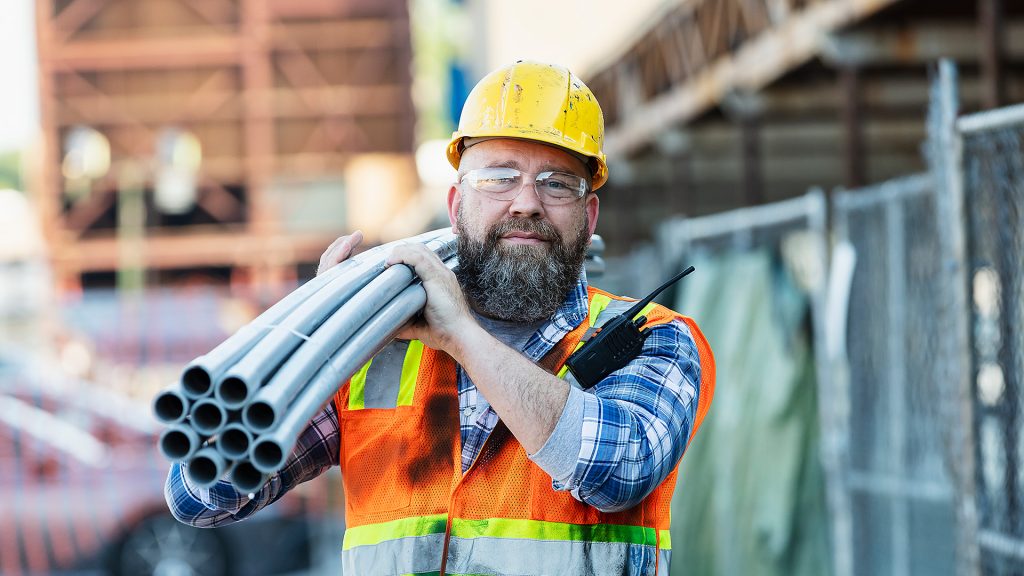
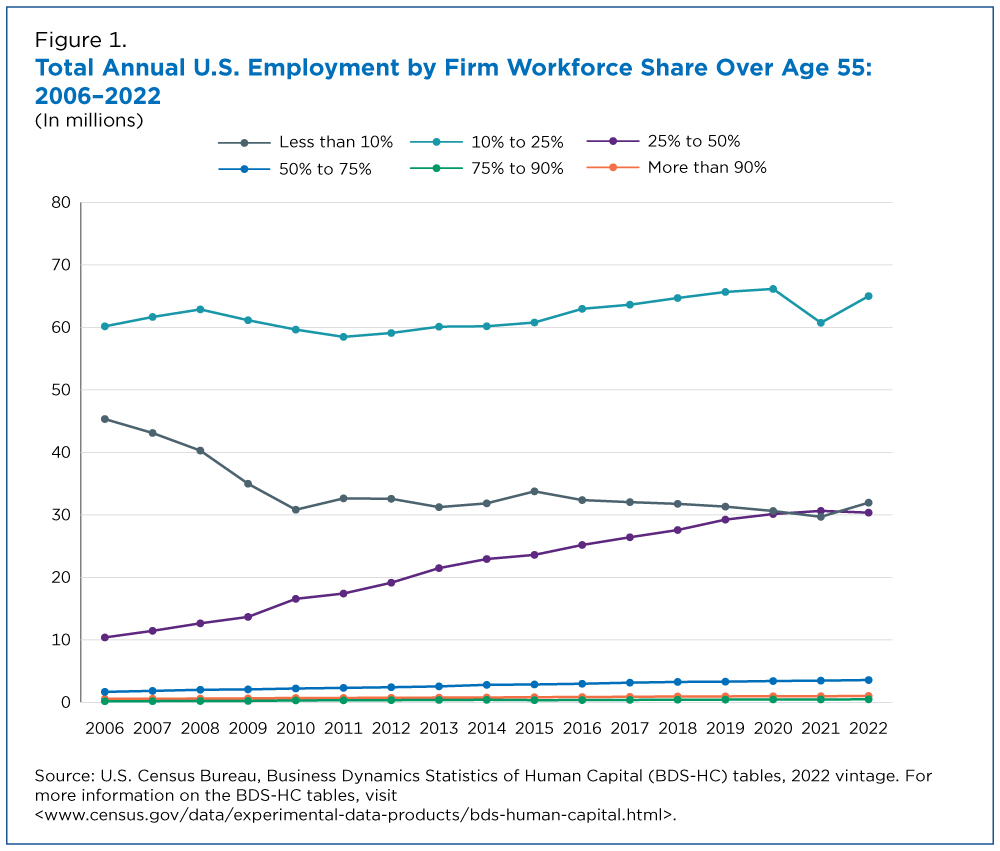
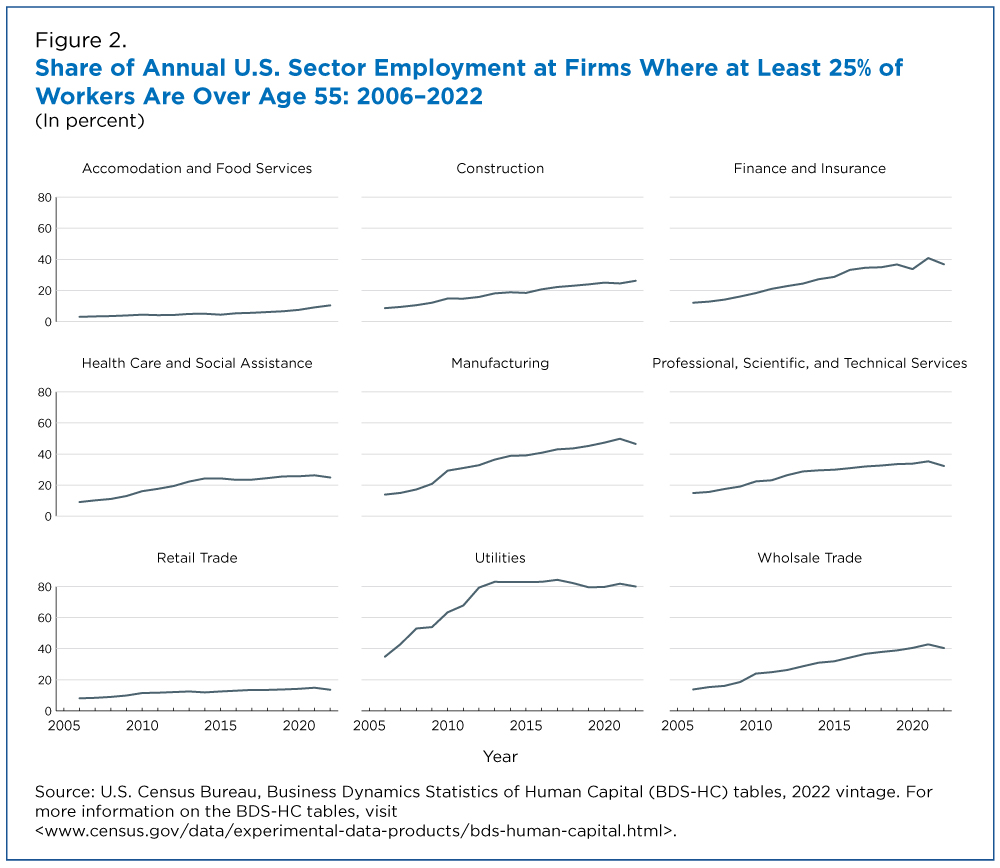
According to an updated report released by the Centers for Disease Control and Prevention (CDC) and the National Institute for Occupational Safety and Health (NIOSH), older adults have become the fastest-growing segment of the U.S. workforce. While labor participation rates for younger demographics are projected to remain flat or decline through 2030, the number of active workers aged 55 and older continues to climb. Data from the Bureau of Labor Statistics reveals that nearly one in four American workers already falls into this veteran age bracket.
For many older adults, continuing to work past traditional retirement age is a dual necessity, providing vital economic security while simultaneously boosting their quality of life through routine social interaction.
The CDC report highlights a complex relationship between aging, chronic health conditions, and workplace safety:
- Health Realities: More than 75% of the entire U.S. workforce lives with at least one chronic health condition. For workers over the age of 55, nearly half manage arthritis, hypertension, or both. This often results in higher rates of absenteeism, or conversely, “presenteeism”—a phenomenon where employees report to work while actively sick, diminishing overall productivity.
- The Safety Paradox: Statistically, older employees experience fewer workplace injuries than their younger counterparts, a trend attributed to their deep institutional knowledge, years of experience, and a more cautious approach to physical limitations. However, when older workers are injured, they require significantly longer recovery times. Most critically, older workers experience a disproportionately higher rate of workplace fatalities.
To combat these risks while capitalizing on the unmatched experience of veteran employees, NIOSH is advocating for the widespread adoption of Total Worker Health® (TWH) and Work Ability frameworks. These strategies integrate traditional workplace safety interventions with targeted activities that advance an employee’s comprehensive well-being.
To build a sustainable, age-friendly professional culture, federal officials recommend that supervisors and managers focus on three key operational areas:
1. Environmental and Ergonomic Adaptations
Employers should actively mitigate physical hazards by eliminating prolonged sedentary work, minimizing highly repetitive tasks, and incorporating self-paced workloads with structured rest breaks. Workplaces must also prioritize ergonomic design and offer flexible, reasonable accommodations for employees returning from an illness or injury.
2. Skill Development and Technology Training
Rather than assuming older workers cannot adapt to modern workplace evolutions, organizations need to invest heavily in training. Providing patience and clear instructions helps older employees confidently master and adopt new workplace technologies.
3. Cross-Generational Mentoring
To bridge the gap between varying generational work habits, communication styles, and attitudes toward authority, the CDC encourages the implementation of mutual mentorship programs.
- Traditional Mentoring: Allows older workers to pass down invaluable institutional knowledge and specialized professional skills to younger staff.
- Reverse Mentoring: Pairs younger tech-literate employees with older colleagues to help them seamlessly learn digital platforms and new software.
Ultimately, the CDC emphasizes that designing an age-inclusive workplace yields a distinct circular benefit: prioritizing individual physical and mental health directly triggers corporate rewards, including slashed healthcare costs, minimized workers’ compensation claims, lower turnover rates, and optimized daily productivity.

