

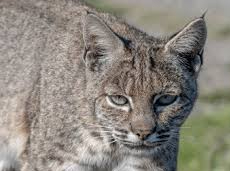
INDIANA — Following a record-setting inaugural season, Indiana’s bobcat management program may see significant changes this fall. State officials are currently reviewing a proposal that would nearly double the harvest quota and allow the use of firearms for the first time in over half a century.
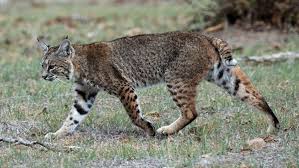
The proposal, led by the Indiana Department of Natural Resources (DNR), seeks to adjust the framework established last year when bobcat trapping was first legalized in the state after 56 years of protection.
The first regulated bobcat trapping season in decades proved to be shorter than many anticipated. While the season was originally scheduled to run through January 2026, it lasted only 28 days after a surge in successful trapping met the state’s cap within the first month.
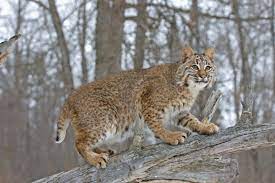
According to DNR records, a total of 253 bobcats were harvested during the 2025-26 season across 40 Southern Indiana counties. Although the statewide quota was set at 250, the slight overage occurred because any animals caught on the final day of the season remained legal to keep. The state issued 1,642 trapping licenses for the season, meaning approximately 15% of licensed trappers successfully harvested a cat.
The DNR identified that the strongest bobcat populations, and thus the highest harvest activity, occurred in southern Indiana, including Lawrence County.
Key Proposed Changes for 2026
The Natural Resources Commission (NRC) opened a public comment period this week for the 2026-27 season, which currently includes two major shifts in policy:
- Increased Quota: The statewide harvest limit would rise from 250 to 400 bobcats.
- Addition of Hunting: Previously limited to trapping and snaring, the new rules would allow the use of firearms, including shotguns, handguns, rifles, muzzleloaders, and certain air guns, as well as archery equipment.
DNR says the goal is to responsibly manage Indiana’s population and decrease negative interactions across the 40 counties with high-quality habitat.
The decision to expand harvest opportunities reflects a dramatic recovery for Indiana’s only native wildcat.
- 1969–2005: Bobcats were listed as a state-endangered species and strictly protected.
- 2005: The species was removed from the endangered list as populations began to stabilize.
- Present: Bobcats have been confirmed in 77 of Indiana’s 92 counties, with high concentrations in the southern third of the state.
Despite the population growth, some conservation groups argue that the science hasn’t kept up with policy. Samantha Chapman, Indiana state director for Humane World for Animals, expressed concerns that the state lacks the “scientific justification” to prove the population can sustain a 60% increase in harvest.
Hoosiers have until May 19, 2026, to submit feedback on the proposed changes through the NRC’s online rulemaking docket. A public hearing is also scheduled for May 19 at 12:30 p.m. at The Garrison at Fort Harrison State Park in Indianapolis.
If approved, the new season is slated to begin on November 8, 2026, and will run through January 31, 2027—or until the final quota is reached.

