

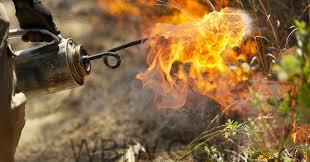
BEDFORD— The USDA Forest Service plans to conduct prescribed fires in the Hoosier National Forest this fall and spring.
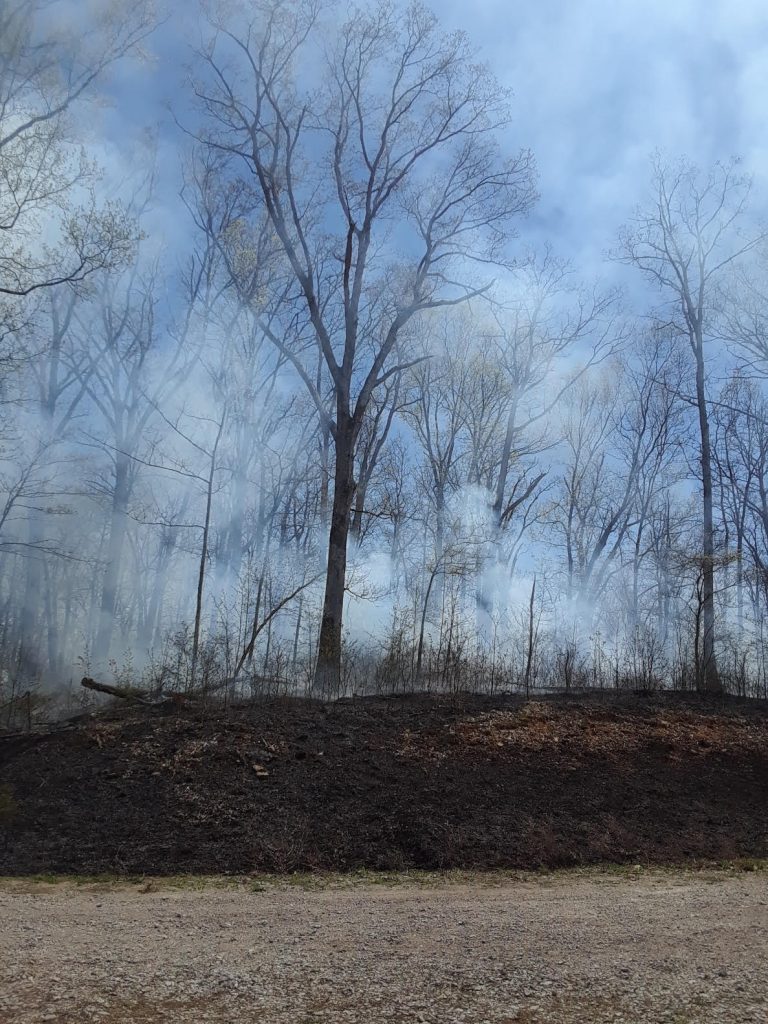
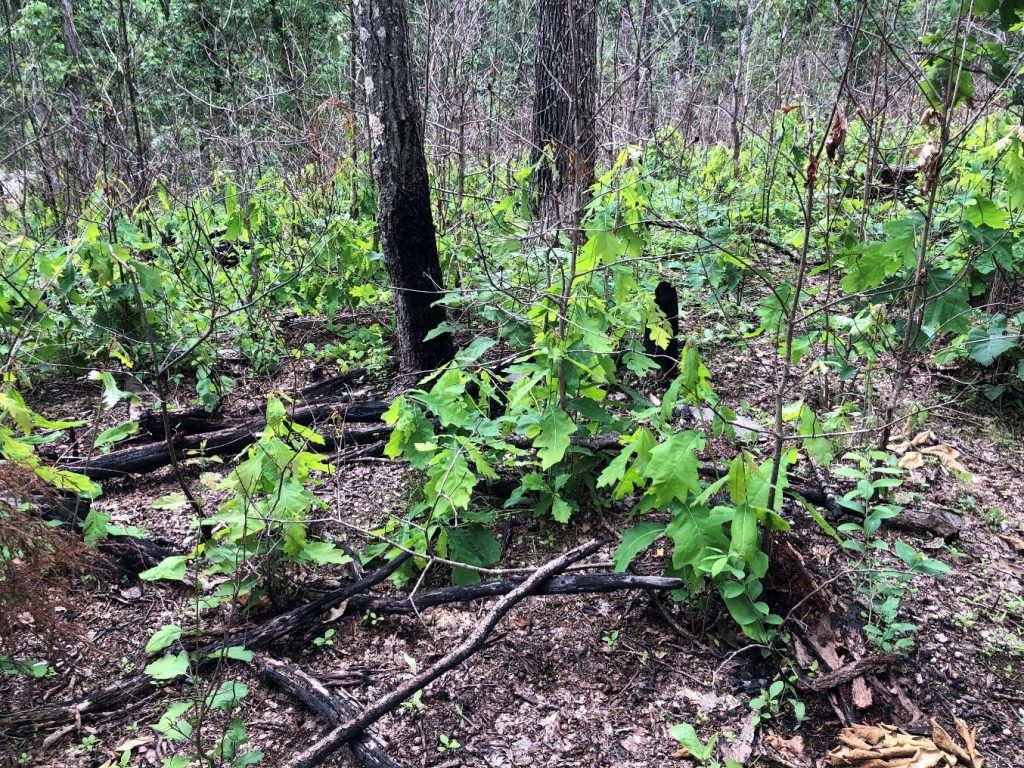
downed woody debris. Plant life rebounds quickly.
Prescribed fire is used to maintain, restore, or improve early successional habitat for wildlife, maintain wetlands, restore and maintain unique barren communities, and restore oak-hickory-dominated ecosystems. It also reduces the amount of woody material on the forest floor, thereby lowering the risk of catastrophic wildfire and increasing plant diversity by allowing more sunlight to the forest floor.
Prescribed burns will be conducted on National Forest System lands in seven counties – Brown, Crawford, Jackson, Lawrence, Martin, Orange, and Perry. Additional land may be included through agreements with adjacent private landowners.
Areas being considered for burning this season have signage placed in advance. Still, whether a fire will be implemented will be determined on the day of the burn after carefully evaluating critical factors and conditions. Depending on neighbor preference, residents and businesses in the immediate area of a potential prescribed burn are notified one or two days prior. Check the forest’s social media accounts for announcements of burns at www.facebook.com/HoosierNF/ and https://twitter.com/HoosierNF.
Designated burn units are closed to all public entry, including hunting, on the day of the burn and until the area is considered safe. Visitors are encouraged to review maps of the planned burn units and find more information about the use of prescribed fire on the forest website.
Smoke is an unavoidable consequence of prescribed burning. Fire managers burn only under atmospheric conditions specified in a burn plan and rely on meteorologic data to choose days in which the impacts of smoke are minimized. Smoke plumes from a prescribed fire usually rise high into the air, where the smoke dissipates. If smoke is present on roadways, motorists should reduce speeds and turn on headlights.
All burns are implemented under carefully planned prescriptions and protocols to mitigate the risk of an escaped fire and smoke exposure to communities. Forest neighbors who wish to be notified of a date for a specific burn, those who want to report medical conditions that could be affected by smoke, or those who may be hunting or camping near a burn unit should contact the Indiana Interagency Coordination Center at 812-547-9262.

