

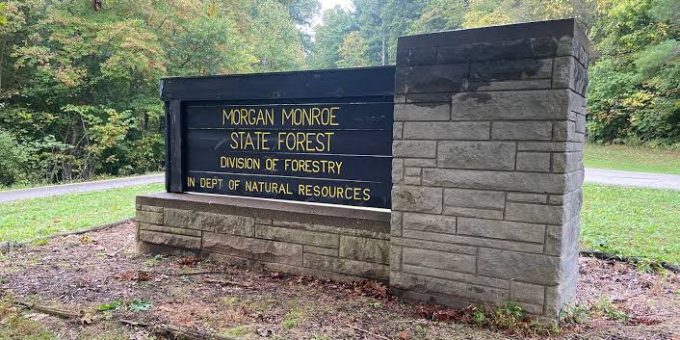
MONROE AND MORGAN COUNTIES — Ball State University will receive a $50,000 federal grant to conduct an archaeological survey across 60 acres of Morgan-Monroe State Forest, aiming to uncover clues about how people lived in and used the land before and after European contact.
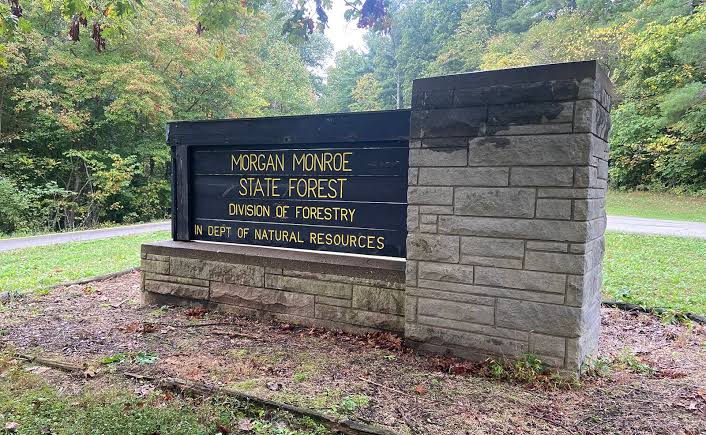
The funding comes through the Historic Preservation Fund (HPF) Grant Program, which distributes federal funds from the National Park Service and is administered in Indiana by the Department of Natural Resources (DNR) Division of Historic Preservation and Archaeology. The award is part of a broader statewide initiative by the DNR to fund local history and historic preservation projects across Indiana.
Under the project, Ball State researchers will carry out a Phase I-a archaeological survey using shovel test probes across 60 acres of forested stream valley and uplands in an area known as Deadman Hollow. Shovel testing involves digging small, systematic test pits to screen soil for subsurface artifacts, a standard method for locating buried cultural sites in densely wooded areas where ground visibility is limited.
The project has two primary objectives:
- Historical Understanding: To gather evidence that sheds light on both pre-contact Indigenous activity and post-contact settlement or land use in the hollow.
- Resource Management: To generate archaeological data that will help state officials plan future land management and public interpretation efforts within the forest.
Once fieldwork is complete, the research team will compile a formal site report for the Indiana Division of Historic Preservation and Archaeology database, preserving the findings for future scholars and state conservation planners.
According to WFIU/WTIU News, researchers anticipate navigating rugged field conditions during the survey, including dense brush, poison ivy, and potential downed trees from strong winds—though the Deadman Hollow survey area was spared direct damage from a tornado that struck parts of Morgan-Monroe State Forest in June.
Spanning more than 24,000 acres across Morgan and Monroe counties between Martinsville and Bloomington, Morgan-Monroe State Forest was established in 1929 on land largely depleted by earlier farming and logging, making systematic surveys valuable for identifying undisturbed pockets of the region’s deeper human history.