

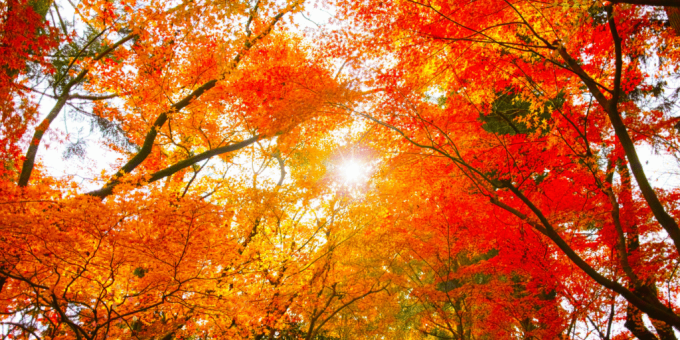
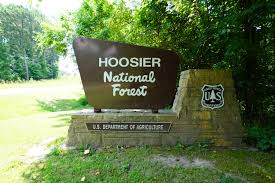
BEDFORD — For nature lovers looking to take in the vibrant hues of autumn, you don’t necessarily need to travel across the country to find world-class scenery. A new study by independent comparison and data site Magic Hour has revealed that Indiana’s own Hoosier National Forest ranks sixth in the entire United States for fall foliage.
The study analyzed land-cover data from the U.S. Geological Survey across 174 federal lands in the contiguous U.S., ranking them by the proportion of trees that change color in the autumn. Each location received a “Fall Foliage Score” out of 100 based on its percentage of deciduous forest (counted in full) and mixed forest (counted at 50% to account for evergreen trees).
Where Hoosier National Forest Stands
Hoosier National Forest earned an impressive Fall Foliage Score of 87.6. According to the study, approximately 82.1% of the forest’s land is covered by deciduous trees—which turn brilliant shades of red, orange, and yellow before dropping their leaves—while another 11% is classified as mixed woodland.
With an estimated 178,056 acres contributing to its color-changing score, the Hoosier National Forest stands as one of the most extensive and visually striking autumn landscapes in the Midwest.
Nationwide, Virginia’s Shenandoah National Park took the top spot with a score of 91.3, followed closely by Ohio’s Wayne National Forest in second place (90.1), Kentucky’s Cumberland Gap National Historical Park in third (90.0), West Virginia’s New River Gorge National Park and Preserve in fourth (89.8), and Kentucky’s Land Between the Lakes National Recreation Area in fifth (89.4).
When Do the Leaves Peak in Indiana?
While high deciduous coverage provides the raw ingredients for a breathtaking autumn display, timing is everything. Experts note that autumn colors do not appear everywhere at once, and peak viewing windows vary based on geography and seasonal weather patterns.
Across Indiana, fall color typically develops earlier in the northern counties and moves southward as October progresses. For southern Indiana and the expansive hills of the Hoosier National Forest, peak foliage traditionally lands in late October (typically spanning late October into early November depending on summer and early fall temperature trends).
Top 10 Fall Foliage Destinations in America
| Rank | Federal Land | State | Fall Foliage Score | Deciduous Forest | Mixed Forest | Fall-Color Forest (Acres) |
|---|---|---|---|---|---|---|
| 1 | Shenandoah National Park | Virginia | 91.3 | 85.6% | 11.4% | 180,289 |
| 2 | Wayne National Forest | Ohio | 90.1 | 88.3% | 3.7% | 219,651 |
| 3 | Cumberland Gap National Historical Park | Kentucky | 90.0 | 82.5% | 15.0% | 21,908 |
| 4 | New River Gorge National Park and Preserve | West Virginia | 89.8 | 87.5% | 4.6% | 61,614 |
| 5 | Land Between the Lakes National Recreation Area | Kentucky | 89.4 | 87.5% | 3.8% | 150,989 |
| 6 | Hoosier National Forest | Indiana | 87.6 | 82.1% | 11.0% | 178,056 |
| 7 | Mark Twain National Forest | Missouri | 83.7 | 79.9% | 7.6% | 1,261,952 |
| 8 | Buffalo National River | Arkansas | 83.6 | 79.4% | 8.4% | 76,756 |
| 9 | Ozark National Scenic Riverways | Missouri | 83.0 | 79.0% | 8.1% | 66,513 |
| 10 | George Washington and Jefferson National Forest | Virginia | 80.1 | 67.3% | 25.7% | 1,440,331 |
Whether driving along winding backcountry byways or hiking through the Charles C. Deam Wilderness, Hoosier residents have one of the premier leaf-peeping destinations in the country right in their backyard. Forest officials advise checking local foliage trackers and weather updates before heading out to catch peak color windows.