


INDIANA — Indiana drivers are being warned to prepare for dangerous highway conditions this winter as fast-moving snow squalls threaten to suddenly reduce visibility to near zero, creating slick pavement and escalating the risk of multi-vehicle crashes.
As winter weather preparedness messaging continues today, Wednesday, Oct. 28, officials are reminding residents that even brief bursts of heavy snow can turn routine travel into a life-threatening situation.
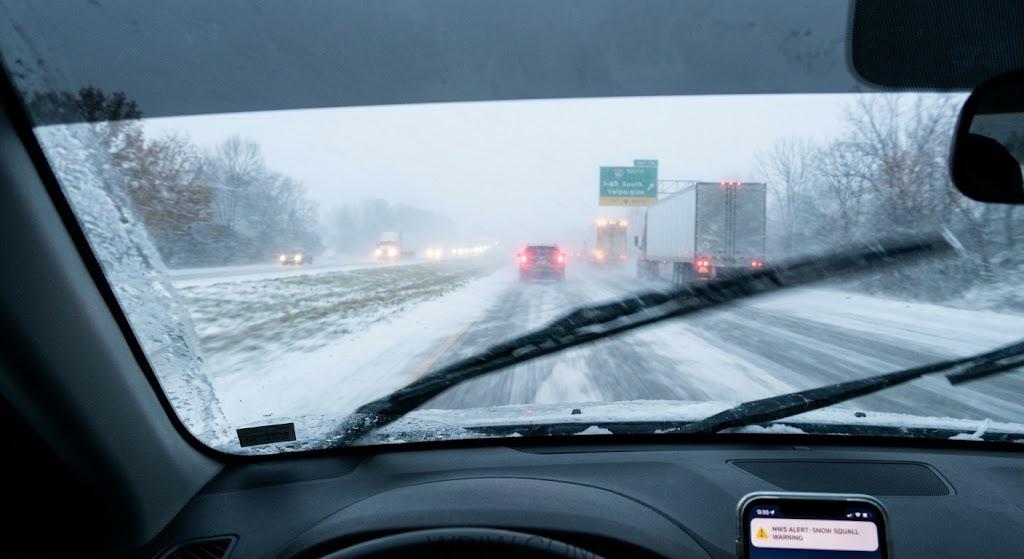
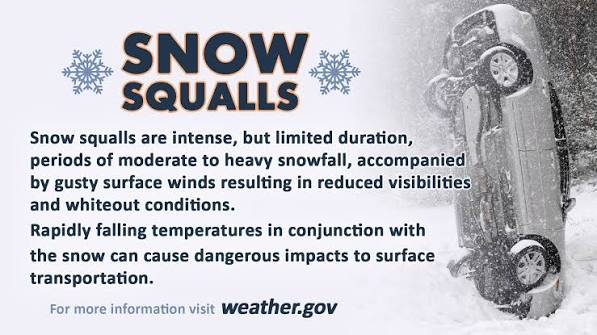
According to the National Weather Service (NWS), snow squalls are short-lived but intense bursts of heavy snowfall accompanied by gusty winds and rapidly deteriorating visibility. Unlike prolonged winter storms, these localized squalls can develop within minutes, leaving motorists with little time to react.
High-Risk Corridors Across the State
Major travel routes—including Interstate 65, Interstate 80, Interstate 94, Interstate 69, and Interstate 70—are among Indiana’s primary corridors where sudden snow squalls can create severe driving hazards. Motorists traveling through these areas face heightened risks on exposed highways, bridges, and heavily traveled commuter stretches.
Northern Indiana remains particularly vulnerable during the colder months, as cold air moving over Lake Michigan can trigger intense lake-effect snow squalls. These sudden bursts can rapidly blind drivers along major routes.
Understanding Snow Squall Warnings
When dangerous snow squalls are imminent or actively occurring, the NWS issues a Snow Squall Warning.
- Duration: These warnings are short-fused, typically lasting between 30 and 60 minutes.
- Alerts: They often trigger Wireless Emergency Alerts directly on compatible mobile phones.
- Severity: An alert signals an immediate danger to motorists, especially those traveling at highway speeds where sudden loss of visibility frequently leads to chain-reaction pileups.
If a Snow Squall Warning is issued, the safest decision is to delay travel until the squall passes. For drivers who are already on the road when conditions deteriorate, officials recommend the following precautions:
- Reduce speed gradually and increase following distance between vehicles.
- Turn on headlights to stay visible to other drivers.
- Avoid abrupt braking or sudden lane changes on slippery pavement.
- Exit the highway safely if possible before driving into a severe squall.
- Never stop in an active travel lane, as stopped vehicles present an extreme risk during whiteout conditions.
Indiana residents can track real-time forecasts, radar updates, and official warnings locally through WBIW.com and 1340 AM WBIW, their regional NWS offices, including NWS Southern Indiana, NWS Indianapolis, and NWS Northern Indiana.