

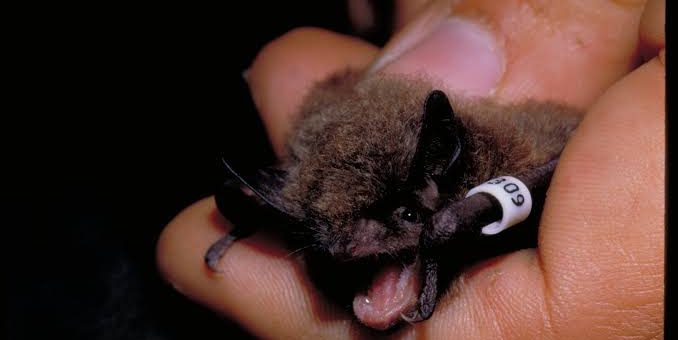
INDIANA — Thanks to aggressive state conservation efforts and strict habitat protections, the federally endangered Indiana Bat has rebounded to record population numbers—surpassing pre-White-Nose Syndrome levels for the first time in decades.
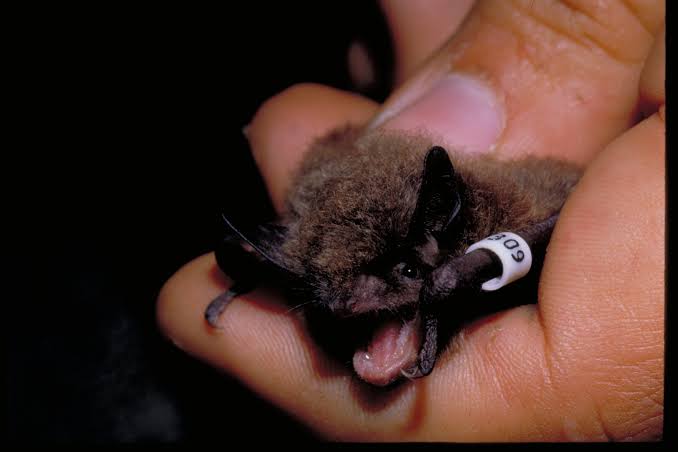
First discovered in 1928 deep within Wyandotte Cave in Leavenworth, Indiana, the Indiana Bat (Myotis sodalis) is a small, gray mammal weighing roughly one-fourth of an ounce. State wildlife officials note that Indiana currently hosts approximately 37% of the entire global population of Indiana Bats.
Battling White-Nose Syndrome
For years, the species faced devastating losses due to White-Nose Syndrome (WNS), a fatal fungal disease caused by Pseudogymnoascus destructans. The fungus, which has been documented in roughly 38 caves across Indiana, triggers abnormal activity during hibernation, causing bats to rapidly burn critical fat reserves.
To combat the epidemic, the Indiana Department of Natural Resources (DNR) took the unprecedented step of closing all public-land caves to human visitors for roughly 10 years.
“When WNS first hit the state, we closed down all caves that were on public land so that way we could totally stop all disturbance,” said DNR State Mammologist Brad Westrich.
A Remarkable Rebound
Minimizing human disturbance during hibernation proved vital. Since 2021, population counts have climbed steadily year over year. Caves have since reopened under a controlled registration system, allowing officials to monitor foot traffic and protect wintering colonies.
Beyond habitat management, DNR experts are actively working to reshape public perception of bats through educational outreach in schools and community clubs, emphasizing the species’ critical role in local ecosystems.