


INDIANA — For private pond owners across Indiana, ensuring great fishing for the upcoming year starts with preparation during the autumn season.
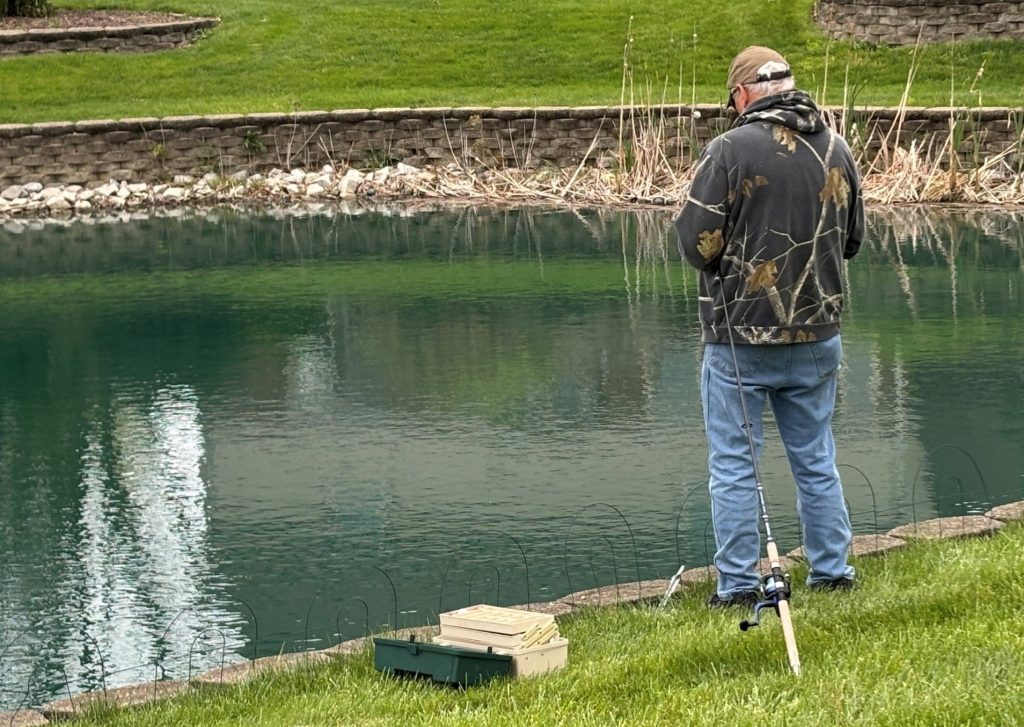
According to fisheries experts with the Indiana Department of Natural Resources (DNR), the fall transition offers optimal conditions for pond maintenance, including supplemental fish stocking, targeted aquatic vegetation control, and habitat installation.
Supplemental Stocking as Water Cools
Autumn brings cooler water temperatures, which significantly reduce environmental stress on newly introduced fish. Fall is considered an ideal time for pond owners to stock or supplement existing fish populations.
Standard management recommendations from the Indiana DNR and Purdue Extension advise maintaining a balanced predator-to-prey ratio—typically five bluegill fingerlings for every one largemouth bass fingerling—to prevent overpopulation and support healthy growth rates. Fall stocking allows young fish time to acclimate before winter sets in.
Strategic Vegetation Control
Fall is also a prime time to manage invasive or unwanted aquatic weeds. As water temperatures drop, aquatic plants naturally begin transferring energy and nutrients down to their root systems to prepare for winter dormancy. Applying selective herbicides during this window disrupts energy storage, leading to more effective plant control heading into spring.
DNR guidelines emphasize identifying specific weed species before applying treatments and establishing vegetative buffer strips around the shoreline to filter nutrient runoff.
Enhancing Fish Habitat
Adding structural habitat during the fall gives fish essential shelter and creates ideal environments for aquatic insects to thrive, building a strong food base for the spring. Useful additions include:
- Natural Structures: Submerged brush piles, fallen hardwood trees, or cedar groups.
- Artificial Cover: Rock or concrete piles, pipe structures, or wooden spawning boxes.
- Emergent Vegetation: Native underwater plants that provide nursery cover for young fingerlings.
Placement is key: structure should generally be installed in shallow to moderate depths—typically between 3 and 10 feet—where dissolved oxygen levels remain adequate year-round.
Year-Round Maintenance and DNR Assistance
While pond management requires continuous care throughout every season, state biologists note that cooler autumn temperatures, falling leaves, and actively feeding fish make fall tasks particularly rewarding for property owners.
Indiana landowners seeking guidance on fish stocking ratios, weed management permits, or habitat construction are encouraged to consult their regional Indiana DNR district fisheries biologist for customized technical advice.