


TARAWA, Kiribati — The hunt for one of aviation’s greatest mysteries has entered its next phase as the Taraia Object expedition team set sail from Betio Port on Tarawa, Kiribati, heading toward the remote South Pacific atoll of Nikumaroro.
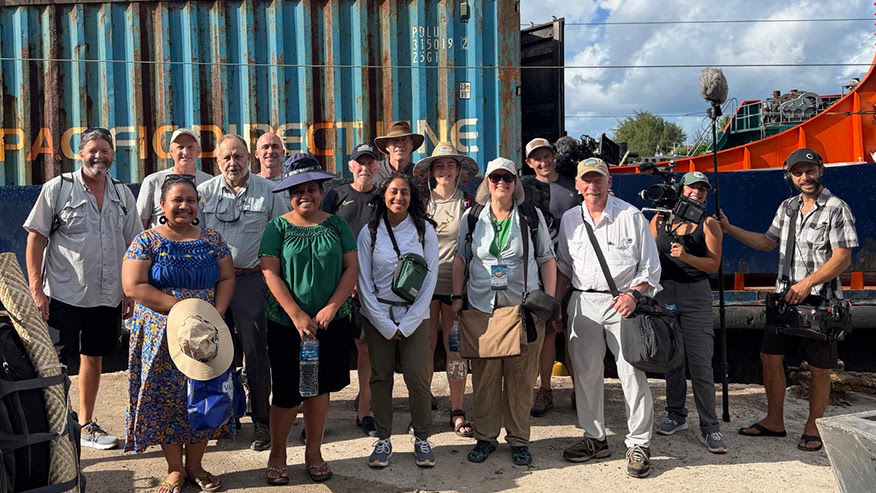
The 17-person expedition team—a joint effort involving the Archaeological Legacy Institute (ALI), Purdue Research Foundation, Purdue University, RECON Offshore, and the Republic of Kiribati—boarded the Kiribati National Shipping Line vessel Marin Mainiku around 7:30 p.m. local time on Wednesday. They are searching for physical evidence of Amelia Earhart’s missing Lockheed Electra 10-E.
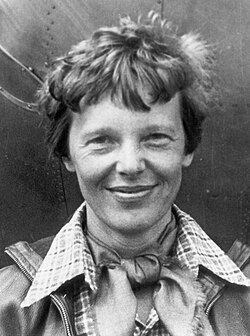
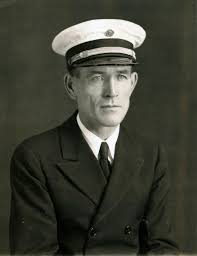
Earhart and her navigator, Fred Noonan, disappeared in July 1937 during a 29,000-mile attempt to circumnavigate the globe at the equator. The pair vanished en route to Howland Island, roughly 400 miles north of Nikumaroro. Purdue holds a historic connection to the aviator, as the Purdue Research Foundation originally funded her “Flying Laboratory” through the Amelia Earhart Fund for Aeronautical Research.
The Voyage Ahead
Over the next six days, the Marin Mainiku and its 17-person crew will travel approximately 830 nautical miles across the Pacific at an average speed of 8 knots (9 mph). The vessel is expected to reach Nikumaroro on or around Monday, Oct. 12.
Early reports indicate the ship encountered heavy seas immediately after leaving Tarawa’s lagoon. Navigating prevailing sea conditions and tide variations driven by El Niño will be critical, particularly when the vessel reaches the atoll. Upon arrival, the team must pilot a landing craft through the “blasted channel”—a narrow opening in the island’s high reef created by the British government during its 1963 evacuation of colonists, the last time Nikumaroro was inhabited.
Despite basic conditions aboard the vessel—where team members share tight quarters equipped with sleeping pods, mattresses, and pillows—spirits remain high.

“It doesn’t have all the creature comforts we’re accustomed to, but the Marin Mainiku has everything we need,” said Steve Schultz, senior vice president and general counsel at Purdue University, who serves as the Purdue team lead. “This isn’t a pleasure cruise. But it’s our home for the next three weeks, and we’re happy to be aboard and underway. The members of the ship’s crew are seasoned professionals, and we’re in good hands for this passage.”
Gear Checks and Mission Priorities
Because the team will be entirely self-sufficient once on the uninhabited atoll, initial days at sea will focus on unpacking, assembling, and testing crucial equipment shipped from Eugene, Oregon, and Pensacola, Florida. Establishing a functional solar array and power station is a top priority to run their array of detection tools.
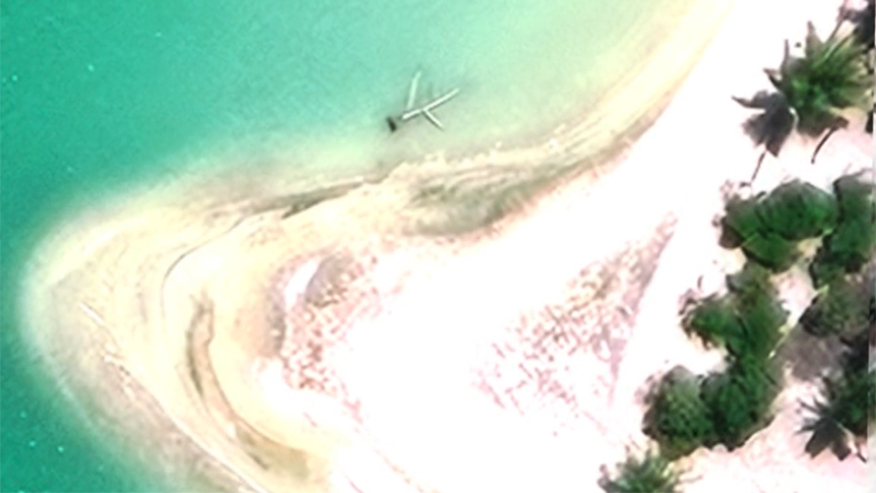
To identify the underwater feature known as the “Taraia Object,” the crew is equipped with side-scan sonar, a magnetometer, and a hydraulic dredge. The team will also collect environmental and tidal baseline data for the Kiribati government.
“We might as well be going to the moon,” said Sirisha Bandla, a technology specialist for the expedition, commercial astronaut, and Purdue alumna. “Having left Betio Port, we’re now on our own, but grateful to be in the hands of the ship’s capable crew, at least for now. When we get to Nikumaroro, though, we’re going to need to rely on the equipment we designed and deployed for this purpose. I’m looking forward to moving it from storage to working mode and confirming that it all works. I’m confident it will, but if we need to make adjustments, well, that’s exactly what Boilermakers are for.”
Expedition Roster
The 17-member field team bringing technical, scientific, and cultural expertise to the mission includes:
- Rick Pettigrew, Project Director (ALI)
- Steve Schultz, Field Assistant & Purdue Lead (Purdue)
- Sirisha Bandla, Technology Specialist & Purdue Alumna
- Marc Hagle, Field Assistant & Purdue Alumnus
- Laura Kennedy, Technology Specialist (ALI)
- Philippa Jorissen, Terrestrial Archaeologist (ALI)
- Ren LaRocca, Assistant (ALI)
- Michael Krivor, Maritime Archaeologist (RECON Offshore)
- William Wilson, Maritime Archaeologist (RECON Offshore)
- Meere Kenana, Curator, Kiribati Culture and Museum (Kiribati Representative)
- Agnes Naare, Ministry of Line and Phoenix Islands Development (Kiribati Representative)
- Heidi Boraia-Tangata, Ministry of Line and Phoenix Islands Development (Kiribati Representative)
- Aaron Arrants, Medic and Safety Officer
- Filmmakers: Helmut Schleppi, Ella Van Cleave, David Pearson, and Matt Maddaloni
The expedition is supported by a global coalition of corporate, philanthropic, and institutional partners, including Columbia Sportswear, DHL Express, Fiji Airways, Kiribati National Shipping Line, the Niswonger Foundation, Bulova, RECON Offshore, The Museum of Flight, and the Naval Aviation Museum Foundation.

