


WEST LAFAYETTE — With just one week remaining before departure, researchers from the Archaeological Legacy Institute (ALI), the Purdue Research Foundation (PRF), and Purdue University are making final preparations for a South Pacific expedition aimed at solving the historic disappearance of legendary aviator Amelia Earhart.
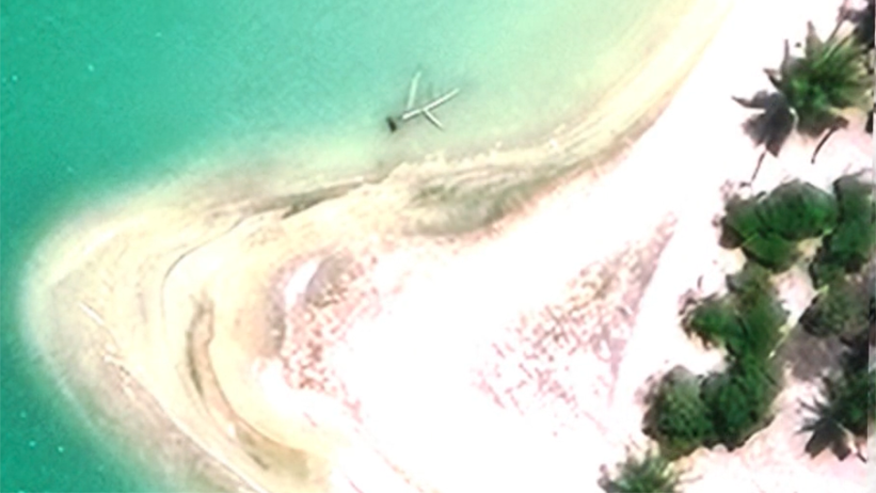
The upcoming research trip will take an international team to Nikumaroro, a remote island in the Republic of Kiribati, to examine an underwater anomaly known as the “Taraia Object.” First identified in satellite imagery in 2020 and corroborated by historical aerial photographs dating back to 1938, the feature rests inside the island’s lagoon and is suspected to be the remains of Earhart’s missing Lockheed Electra 10-E.

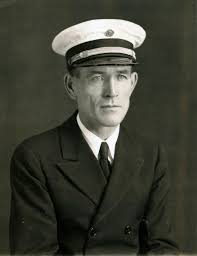
Earhart and her navigator, Fred Noonan, vanished on July 2, 1937, during an attempt to circumnavigate the globe along the equator.
Expedition Timeline and Research Strategy
Originally scheduled for late 2025, the mission was delayed while navigating final permit approvals with the government of Kiribati and to avoid the dangerous South Pacific cyclone season.
The expedition timeline is structured as follows:
- October 6: Team members rendezvous in Tarawa, Kiribati.
- October 7: The crew departs Tarawa by sea for a six-day voyage to Nikumaroro in the Phoenix Islands.
- October 13–16: Fieldwork and underwater surveys will take place at the lagoon site.
- October 22: The expedition is scheduled to return to Tarawa before flying home the following day.
Field operations will begin with non-invasive visual documentation, followed by remote sensing using magnetometers and sonar. To inspect the submerged object directly, researchers plan to conduct controlled underwater excavations using a hydraulic dredge. The crew will also perform land-based walkover surveys of nearby shores to search for potential debris washed ashore over the decades.
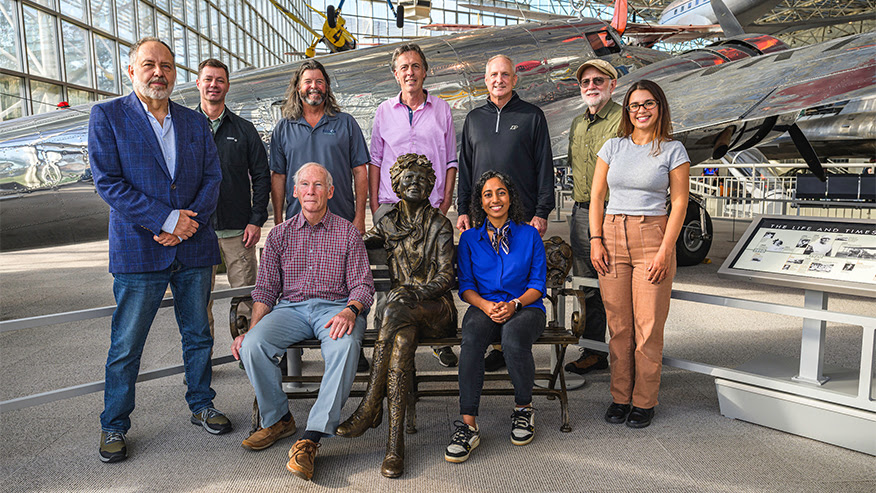
“Finding Amelia Earhart’s Electra aircraft would be the discovery of a lifetime,” said Dr. Richard Pettigrew, executive director of ALI and lead project director for the expedition. “Other evidence already collected… establishes an extremely persuasive, multifaceted case that the final destination for Earhart and her navigator Fred Noonan was on Nikumaroro. Confirming the plane wreckage there would be the smoking-gun proof.”
Purdue’s Continuing Connection
The expedition carries deep historical significance for Purdue University. In the 1930s, the Purdue Research Foundation financed the purchase of Earhart’s Lockheed Electra “Flying Laboratory.” Earhart served as a faculty member at Purdue from 1935 until her final flight, advising female students on careers in aeronautics and engineering.
Three Purdue representatives will serve on the field crew: Steve Schultz, senior vice president and general counsel, alongside Purdue alumni and astronauts Sirisha Bandla and Marc Hagle.
“Amelia’s legacy remains strong at Purdue, and she looms large in our canon of heroes,” Schultz noted. “Successfully identifying the Electra would be the first step toward fulfilling her intention to return it to the university.” Any future extraction and recovery efforts would require formal authorization from the government of Kiribati.
Coinciding with the countdown, Purdue University launched a four-part podcast miniseries titled “Finding Amelia” on its official podcast platform, This Is Purdue. The series explores Earhart’s history with the university, her aircraft, and the preparation behind the upcoming Taraia Object expedition.

