

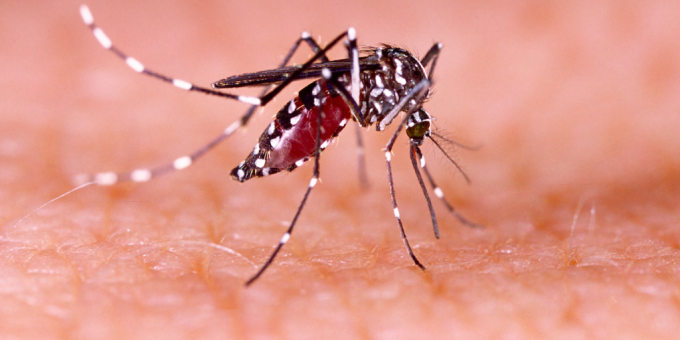
GREENE COUNTY — Mosquitoes in Greene County have tested positive for West Nile virus, health officials confirmed, prompting local authorities to remind residents that prevention remains critical as late-summer mosquito activity continues across the region.
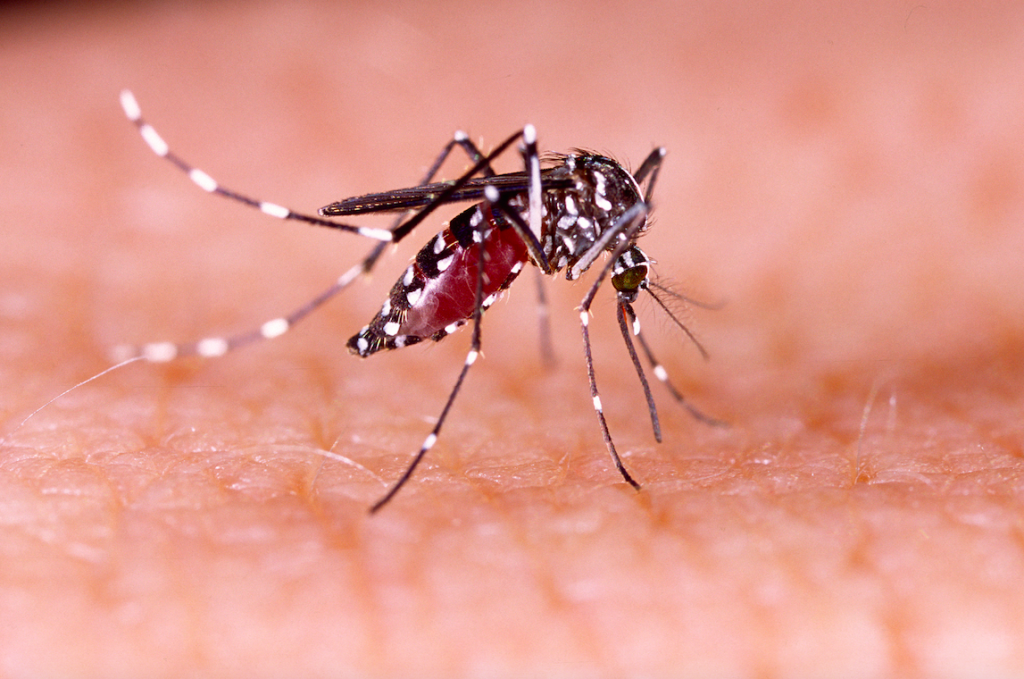
The Greene County Health Department announced it received official notification from the Indiana Department of Health (IDOH) after a local mosquito pool sample returned positive for the virus.
Despite the detection coming later in the season, local health experts emphasize that community prevention efforts can significantly lower transmission risks.
According to Dylan Gann, environmental health specialist for the Greene County Health Department, there is no need to panic. The single most effective thing Greene County residents can do this week is walk their property and dump out anything holding water. Mosquitoes that carry West Nile virus breed in containers as small as a bottle cap, and most of them come from our own backyards.
Statewide Risks and Impact Across Southwestern Indiana
The detection in Greene County comes as state health officials report an overall elevated risk of West Nile virus across Indiana. According to IDOH surveillance data, mosquito samples in at least 33 Indiana counties have tested positive for the virus.
Several counties have confirmed positive mosquito pools or elevated risk, including:
- Daviess County: Health officials confirmed positive mosquito pools.
- Harrison County: Local health department notified residents of positive samples.
- Floyd County: Reported multiple positive mosquito pools in late August.
- Allen County: Confirmed the state’s first human case of West Nile virus.
The Indiana Department of Health (IDOH) announced that mosquito testing has confirmed West Nile virus in 33 Indiana counties.
The counties that have publicly confirmed positive West Nile virus mosquito samples, bird detections, or human cases include:
- Allen County (Location of Indiana’s first confirmed human case of 2026)
- Bartholomew County
- Boone County
- Clark County
- Clay County
- Clinton County
- Daviess County
- Elkhart County
- Floyd County
- Fulton County
- Gibson County
- Greene County
- Hamilton County
- Hancock County
- Harrison County
- Hendricks County
- Johnson County
- Knox County
- Kosciusko County
- Lake County
- Marion County
- Monroe County
- Pulaski County
- Putnam County
- Ripley County
- Shelby County
- Starke County
- Tippecanoe County
- Tipton County
- Vanderburgh County
- Vigo County
- Warrick County
- Wayne County
State Health Commissioner Lindsay Weaver, M.D., noted that recent heavy rain and standing water have increased mosquito populations, warning that the risk of mosquito-borne diseases will persist until the region experiences its first hard freeze of the autumn season.
Prevention and Symptoms
The primary vector for West Nile virus in Indiana is the Culex mosquito, which is most active between dusk and dawn. To reduce the risk of bites, health officials recommend:
- Eliminate Standing Water: Empty birdbaths, clogged rain gutters, flowerpots, tires, and unused containers weekly.
- Use Repellent: Apply EPA-registered insect repellent containing DEET, picaridin, or oil of lemon eucalyptus.
- Wear Protective Clothing: Wear loose-fitting, long-sleeved shirts and long pants when outdoors during peak mosquito activity times.
- Maintain Screens: Ensure window and door screens are intact and free of tears.
While most individuals infected with West Nile virus experience no symptoms, roughly 20 percent may develop mild flu-like symptoms, including fever, headache, body aches, and joint pain. Severe neurological illness can occur in a small percentage of cases, particularly among adults over age 60 or those with weakened immune systems.

