

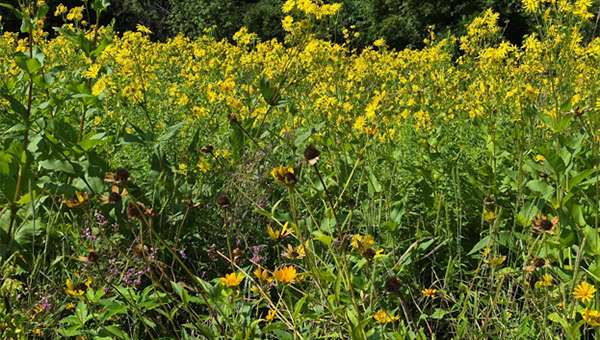
INDIANA — Environmental officials are advising Indiana landowners to hold off on mowing grassland areas during August and September, noting that late-summer cutting can harm local ecosystems and disrupt native species.
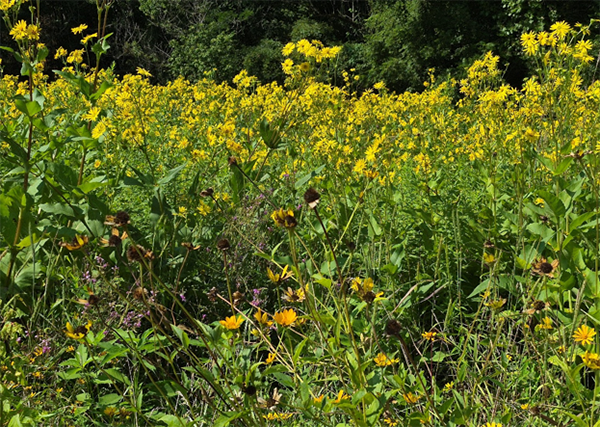
Mowing in early autumn cuts short the life cycles of essential flowering plants such as New England aster, cup plant, and Joe Pye weed before their seeds fully develop. Additionally, these late-blooming flowers supply vital nectar for migrating species—including monarch butterflies and ruby-throated hummingbirds—that rely on the food source to fuel their journeys.
Clearing meadows too early also removes critical winter shelter that small mammals, birds, and beneficial insects need to survive harsh weather.
Wildlife biologists recommend postponing mowing until the ground freezes in February or March, allowing winter cover to remain intact until close to spring. If late-winter maintenance is not feasible, landowners should at least wait until after several hard frosts have occurred.
Experts also suggest rotational mowing—clearing only a portion of a grassland each year—to ensure native insect eggs attached to unmown stems can survive into the next season.
Landowners seeking tailored guidance on maintaining native grasslands can reach out to their district’s private lands wildlife biologist for additional management strategies.

