

INDIANA — The start of a new school year means new teachers, new classmates, busy schedules and plenty of excitement. It can also mean the return of something parents would rather leave behind: germs.
With children spending more time together in classrooms, cafeterias, buses and extracurricular activities, illnesses can spread quickly. While it is impossible to keep children away from every germ, families can take several simple steps to help reduce the spread of illness and keep kids feeling their best.
Make Handwashing a Habit
One of the easiest ways to prevent the spread of germs is also one of the most effective: regular handwashing.
Encourage children to wash their hands with soap and water for about 20 seconds, especially:
- Before eating or preparing food
- After using the restroom
- After playing outside
- After coughing, sneezing or blowing their nose
- When they arrive home from school
If soap and water are not available, hand sanitizer can be a helpful alternative.
Remind Kids Not to Share Germs
Children may share everything from crayons to snacks, but there are some things they should keep to themselves.
Teach children to avoid sharing drinks, utensils, food or personal items that come into contact with their mouth. They should also try to avoid touching their eyes, nose and mouth with unwashed hands.
Teach Good Coughing and Sneezing Etiquette
A simple cough or sneeze can spread germs throughout a classroom.
Children should be reminded to cover coughs and sneezes with a tissue or their elbow rather than their hands. Used tissues should go directly into the trash, followed by handwashing or hand sanitizer.
Keep Kids Home When They’re Sick
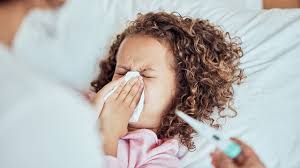
One of the best ways to protect classmates and teachers is to keep children home when they are sick.
Parents should pay attention to symptoms such as fever, vomiting, diarrhea or significant respiratory symptoms. Following school policies and healthcare provider recommendations can help determine when a child is ready to return.
Sending a sick child to school can also make it harder for them to recover and can expose other students and staff to illness.

Don’t Forget Sleep
Back-to-school schedules can be a big adjustment after a summer of later nights and sleeping in.
Children need adequate sleep to support their overall health and ability to learn. Families can make the transition easier by gradually returning to consistent bedtimes and wake-up times before school starts.
A regular nighttime routine can also help children settle into their new schedules.
Fuel Their Bodies
A nutritious breakfast can help children start the school day ready to learn.
Families should try to provide a variety of fruits, vegetables, whole grains, protein and other nutritious foods throughout the day. Keeping healthy snacks available can also help children maintain their energy between meals.
Don’t forget water. Encouraging children to drink water regularly can help them stay hydrated during a busy school day, especially when temperatures remain warm.
Stay Up to Date on Recommended Vaccinations
Back-to-school season is also a good opportunity for families to check whether children are up to date on recommended vaccinations and routine healthcare visits.
Parents who are unsure whether their child’s vaccinations or other preventive care are current can contact their child’s healthcare provider.
Clean Frequently Used Items
Backpacks, lunch boxes, water bottles and other frequently handled items can collect germs throughout the school week.
Clean reusable items regularly, particularly lunch containers and water bottles. Children should also avoid putting pencils, pens and other school supplies in their mouths.
Take Care of Mental Health, Too
Staying healthy isn’t only about avoiding colds and other illnesses.
The beginning of a school year can bring anxiety, stress or changes in mood for some children. Parents can help by checking in with their children, asking how school is going and giving them an opportunity to talk about concerns.
A consistent routine, adequate sleep, physical activity and time to relax can all help children manage the demands of a new school year.
A Little Prevention Goes a Long Way
Parents cannot prevent every illness their children encounter during the school year, but healthy habits can make a difference.
Teaching children to wash their hands, cover coughs, get enough sleep, eat nutritious foods and stay home when they are sick can help protect not only them, but also their classmates, teachers and families.
As students head back into the classroom, a few simple habits can help make the school year healthier—and hopefully keep those unwanted sick days to a minimum.

