

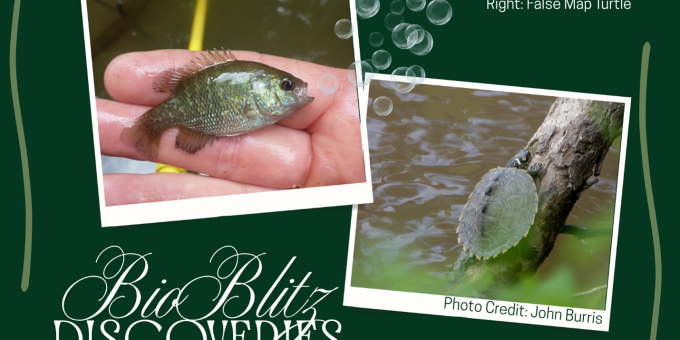
HARMONIE STATE PARK — An annual gathering of scientists and nature enthusiasts has yielded two major ecological breakthroughs in southern Indiana, including the discovery of an endangered fish species and the re-emergence of a rare turtle nearly two centuries after it was first documented.
The discoveries were made during this year’s BioBlitz, an event organized annually by the Indiana Academy of Science. The event brings together professionals and amateur naturalists for an intensive biological survey aimed at identifying and documenting as many living species as possible within a targeted geographic area.
Hosted this year at Harmonie State Park along the Wabash River, the survey produced two notable finds involving teams from the Indiana Department of Natural Resources (DNR).
Key Findings at Harmonie State Park
1. State-Endangered Bantam Sunfish Discovered
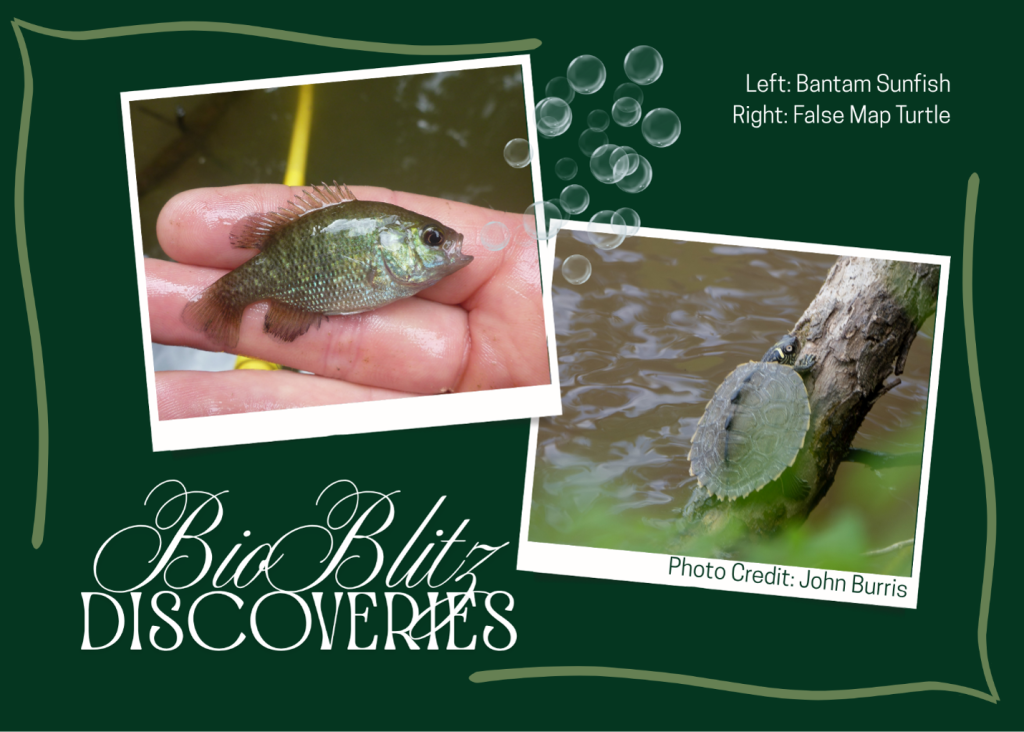
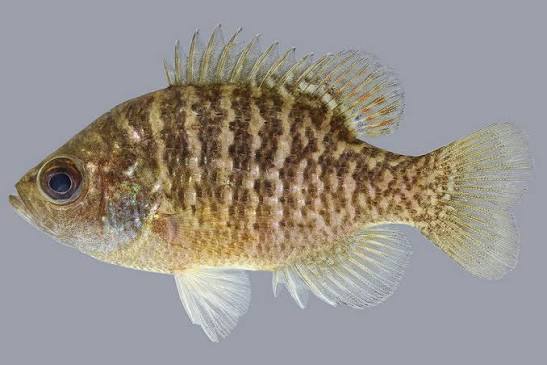
The DNR’s nongame aquatics team successfully located two state-endangered bantam sunfish within two small tributaries feeding into the Wabash River.
The finding represents a major milestone for state wildlife officials:
- Before this discovery, bantam sunfish had only been reported at two other sites across Indiana.
- Neither of those previous reports had ever been officially confirmed by DNR staff, making this find the first confirmed documentation of the species by state biologists.
2. Historic Re-Discovery of the False Map Turtle
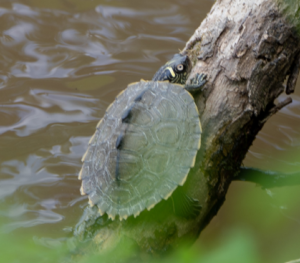
Along the banks of the Wabash River, John Burris, a member of the BioBlitz herpetology team, spotted a rare false map turtle.
The location carries deep historical significance for herpetologists:
- The false map turtle was first scientifically “discovered” in the New Harmony area back in 1827.
- Reconfirming the presence of the rare species at the exact site nearly 200 years later provides valuable proof of the species’ long-term resilience in the local ecosystem.
The Importance of BioBlitz Surveys
Events like the BioBlitz provide critical snapshot data for state conservationists and researchers. By gathering experts across various disciplines—including botany, entomology, aquatics, and herpetology—the Indiana Academy of Science and the DNR can better monitor biodiversity, track endangered populations, and guide future habitat management strategies across Indiana’s state parks and natural preserves.