


INDIANA – For the fifth consecutive year, Hoosier students continue to achieve gains on the Indiana Reading Evaluation and Determination (IREAD) assessment. Following a historic jump last year, scores once again increased in 2026 —climbing 7.5 percentage points since 2021. With nearly 89% of students now reading by the end of third grade, Indiana’s literacy rates have surpassed pre-pandemic levels.
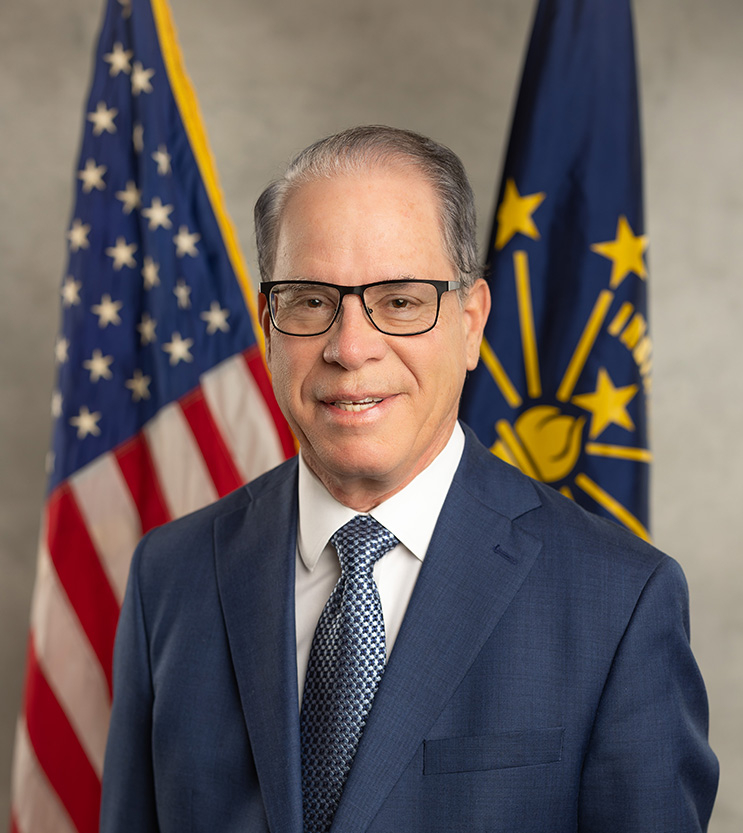
“Our reading scores haven’t just recovered from the pandemic—they’ve surged,” said Governor Mike Braun. “Five consecutive years of literacy gains show what’s possible when we stay focused on getting every Hoosier child on the path to success. We’ve surpassed where we were before the pandemic, and we’re not stopping here. Every Indiana student deserves the opportunity to read, learn and succeed, and we will keep pushing to make that a reality.”
Statewide, results show that 88.7% of Indiana’s third grade students demonstrated proficient reading skills on the IREAD assessment. This is an improvement of nearly 1.5 percentage points over results for the 2024-2025 school year, the second-largest single-year increase since the assessment began.

“After historic gains last year, seeing these results increase again for the fifth consecutive year is truly remarkable,” said Dr. Katie Jenner, Indiana Secretary of Education. “Our educators, parents, and students should be extremely proud of the results they’ve accomplished together. As more students master reading by the end of third grade, we’re thinking very intentionally about how we deploy supports—that means understanding what works and focusing those proven strategies on the students who need them most, including students in special education and adolescent learners who are still working to master reading. This targeted approach will be key to ensuring every student has strong literacy skills that set them up for future success. In Indiana, our foot will remain on the gas pedal when it comes to continuously improving for students.”
Before 2021, Indiana’s literacy rates declined every year, except one. The pandemic exacerbated this literacy crisis, resulting in the state’s lowest literacy rates on record. Indiana continues to make historic investments aimed at helping more students learn to read, leading to five straight years of improvement.

Other key takeaways from the data include:
- Literacy rates increased for nearly every student population from 2025 to 2026.
- With these increases, every student population has now surpassed their pre-pandemic achievement levels.
- For the second consecutive year, Black and Hispanic students achieved significant year-over-year gains.
- Black students:
- 4 percentage point increase from 2025 to 2026
- 18.1 percentage point increase from 2021 to 2026
- At 80.1% proficiency, Black students are now within one percentage point of their highest reading levels on record.
- Hispanic students:
- 3.7 percentage point increase from 2025 to 2026
- 11.2 percentage point increase from 2021 to 2026
- Black students:
- Literacy rates for students in special education and students receiving free/reduced price meals have increased for five consecutive years.
- Students in special education:
- 2.3 percentage point increase from 2025 to 2026
- 14.5 percentage point increase from 2021 to 2026
- Students receiving free/reduced price meals:
- 1.5 percentage point increase from 2025 to 2026
- 11.5 percentage point increase from 2021 to 2026
- Students in special education:
- After remaining relatively flat for three years, English learners achieved gains for the second consecutive year, jumping nearly 11 percentage points in just two years.
- Forty percent of Indiana elementary schools – 511 total schools – hit the 95% reading goal. Since 2023, the number of schools hitting the 95% goal has more than doubled.
For the second year, all second grade students participated in the IREAD assessment – a tactic that has already proven successful at providing educators and families an early indicator of whether a student is on-track to read by the end of third grade.
In 2026, the percentage of second grade students who Passed or were on-Ttack to pass by the end of third grade increased to 69%, with a significantly larger percentage of students passing compared to 2025. Indiana’s On-Track indicator continues to be a strong predictor of future success, with over 95% of students who were On-Track last year passing in 2026. With the help of this early indicator and the targeted supports that followed, over 61% of second graders who were At-Risk last year also went on to pass in 2026.
Another tactical solution continuing to show signs of success is the Indiana Literacy Cadre, a partnership between the State of Indiana, the University of Indianapolis’s Center of Excellence in Leadership of Learning (CELL), and Marian University’s Center for Vibrant Schools. To date, approximately 770 schools have participated in the Literacy Cadre, providing their early elementary teachers with embedded instructional coaching and support aligned with science of reading. Schools that participated in the Indiana Literacy Cadre during the most recent school year had a 2.3 percentage point increase in students passing IREAD, nearly four times larger than that of schools that did not participate in the Literacy Cadre.
The Indiana Literacy Cadre is one of several tactical solutions made possible through the state’s largest-ever financial investment in literacy, which was announced in August 2022. Indiana continues to partner with Lilly Endowment, Inc. to invest up to $240 million to support early literacy development.
2026 ILEARN Results Establish a New Baseline
State-level results are also now available for the 2026 Indiana Learning Evaluation and Assessment Readiness Network (ILEARN) assessment. Taken by students in grades three through eight, ILEARN is unique to Indiana to meet federal requirements and is not used by any other state. ILEARN measures student achievement and growth based on Indiana-specific Academic Standards, making it a rigorous measure of whether students are on track for the academic demands of a four-year college. In 2026, 42% of students were proficient in English/language arts and 42.7% were proficient in Math.
Two new state laws required updates to ILEARN, as well as setting new ILEARN cut scores.
- House Enrolled Act (HEA) 1251 (2022) required the streamlining and prioritization of K-12 academic standards in core content areas. This required the redesign of ILEARN to align with these streamlined, prioritized standards.
- Following feedback from educators and parents, HEA 1243 (2024) also provided for the redesign of ILEARN from a summative to a through-year assessment, including three checkpoints and a shortened summative assessment.
As part of the larger redesign of ILEARN, Indiana also worked closely with educators and parents to develop real-time, user-friendly resources to better understand an individual student’s assessment results and exactly where the student needs additional support to improve their learning.
The most recent results mark the first year that all grade three through eight students participated in the new through-year assessment model, measuring the streamlined, prioritized standards. These scores represent a new baseline for Indiana and cannot be compared to previous years. Following the approval of new cut scores by the Indiana State Board of Education, district- and school-level data will be available in September.
Indiana assessment data can be found on the Data Center & Reports webpage.

