

WASHINGTON, D.C. — The Trump administration announced Tuesday that it will terminate a key federal subsidy program designed to curb monthly prescription drug premiums for Medicare Part D enrollees. The move, scheduled to take effect at the end of the year, could drive up out-of-pocket costs for millions of older and disabled Americans starting in 2027.
The subsidies—originally introduced to stabilize premium hikes—currently cost billions annually, paying insurance providers to help maintain average monthly Medicare Part D drug plan costs at roughly $36 per person.
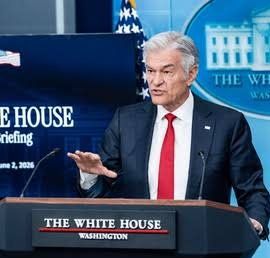
Centers for Medicare & Medicaid Services (CMS) Administrator Dr. Mehmet Oz defended the decision, characterizing the federal payments as a corporate bailout.
“We are stabilizing the market so this bailout is no longer needed,” Oz wrote in a post on X. “Premiums will go up by less than $10 for most Medicare recipients, with many even seeing lower premiums”. Oz added that the administration remains committed to lowering overall drug costs through alternative policies, including “most favored nation” pricing deals and a program offering eligible seniors access to GLP-1 weight-loss medications for $50 a month.
Higher Costs Ahead for Beneficiaries
According to administration officials, about half of the tens of millions of Medicare Part D beneficiaries will experience either a minor rate increase of less than $10 per month or see a rate reduction. Most recipients will still have access to plans priced at or below $10 monthly.
However, independent health policy analysts offer a more cautious outlook. Non-partisan health policy group KFF estimates that ending the subsidies could increase monthly premiums by as much as $20 for some seniors.
Political and Legislative Backdrop
Trump administration officials pointed to the Biden-era Inflation Reduction Act as the source of the issue, alleging it funneled billions in taxpayer dollars to major health insurance corporations while causing underlying premiums to climb. Proponents of the original legislation had argued the law provided essential relief by empowering the federal government to directly negotiate prescription prices with pharmaceutical manufacturers.
The policy shift arrives at a sensitive moment, as Affordable Care Act (ACA) marketplace subsidies have also expired, keeping healthcare costs at the forefront of national voter concerns ahead of the upcoming midterm elections.
Enrollees are expected to learn their updated monthly plan costs later this fall, ahead of the 2027 plan year changes.

