

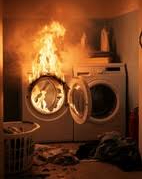
INDIANA — It is a common household chore done without a second thought: throwing a wet load of laundry into the dryer. However, safety officials are warning that this routine task may be quietly turning into a major fire hazard every time it is run.
According to estimates from the U.S. Consumer Product Safety Commission (CPSC), clothes dryers are responsible for an average of 6,400 fires each year. These incidents result in approximately 180 injuries and cause nearly $105 million in property damage annually across the country.
The primary culprit behind the vast majority of these destructive blazes is lint—an extremely flammable, yet entirely preventable, hazard that builds up in appliances and exhaust ducts over time.
How a Routine Task Turns Hazardous
Lint accumulates continuously during normal drying cycles. When it builds up in the lint screen, inside the dryer chassis, or throughout the exhaust duct, it restricts critical airflow and causes internal temperatures to rise to dangerous levels.
Over time, these elevated temperatures can degrade internal wiring and components, generating sparks or flames that easily ignite the surrounding lint.
Crucially, CPSC research reveals that cleaning the lint trap alone is not enough. Lint naturally begins accumulating inside the dryer chassis even when the unit is correctly installed, properly vented, and the lint screen is cleared after every single use.
According to data, the duct or venting system is the single most frequent location where dryer fires originate, followed closely by the lint trap itself. Once ignited, these fires propagate rapidly, spreading flames to nearby wall framing and combustibles.
How to Protect Your Home
Safety experts advise homeowners to take active measures to reduce their risk of an unexpected laundry room fire:
- Inspect airflow and performance: Clean the lint screen before or after every load. If clothing remains damp at the end of a normal cycle or takes longer than usual to dry, it is a key warning sign that the lint screen or exhaust duct is blocked.
- Maintain vents annually: Clean the vent and exhaust duct at least once a year. Check the exterior vent outside the house while the dryer is running to confirm that air is freely escaping. If no air is moving, the duct is blocked and must be cleared before the unit is used again.
- Upgrade ductwork materials: Replace flexible plastic or foil accordion-style ducting with rigid or corrugated semi-rigid metal ducts. Plastic and foil ducts trap lint easily and are prone to kinking, which severely reduces airflow. Rigid metal is specified by most manufacturers for maximum airflow and safety.
- Keep surrounding areas clean: Routinely clean behind the dryer where loose lint gathers, and keep the space around the machine free of flammable clutter. Homeowners should also periodically hire a qualified technician to clean the interior chassis.
- Handle chemically stained fabrics with care: Clothes soiled with gasoline, cooking oils, or cleaning solvents require extra caution. Wash them multiple times to reduce chemical residue and hang them to dry if possible. If using a machine, select the lowest heat setting with a cool-down cycle, and never leave freshly dried, chemically stained clothes piled in a basket, as trapped heat can cause spontaneous combustion.
- Never run dryers unattended: Avoid running the appliance when leaving the house or going to sleep.
Consumer safety officials encourage anyone who experiences a product-related injury or encounters a dangerous dryer to report the incident at SaferProducts.gov or by calling the CPSC Hotline at 800-638-2772.

