

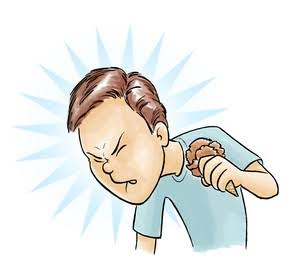
INDIANA – As summer temperatures rise, so does the risk of experiencing one of warm weather’s most infamous seasonal hazards: the dread “ice cream headache.”


That sudden, icepick-to-the-forehead sensation—commonly known as brain freeze—is a well-documented neurological phenomenon. Known formally in the medical community by the mouthful sphenopalatine ganglioneuralgia, this brief but intense pain is rooted in a rapid survival reflex triggered inside the mouth.
What Triggers the Pain?
When a cold food or drink touches the delicate roof of the mouth (the palate) or the back of the throat, the body senses a drastic drop in temperature. It reacts swiftly to protect the brain’s internal environment:
- Rapid Vasoconstriction: Capillaries and blood vessels lining the roof of the mouth instantly shrink (constrict) in response to extreme cold.
- Rebound Vasodilation: As the area begins to warm back up, those same blood vessels rapidly expand (dilate) to flush the tissue with warm blood.
- Nerve Miscommunication: Pain-sensitive nerve endings in the palate detect this sudden expansion and send urgent pain signals along the trigeminal nerve—the main sensory nerve path for the face and head.
Because the trigeminal nerve also carries sensory signals from the forehead and eyes, the brain misinterprets where the pain is actually coming from. Instead of feeling the discomfort in the roof of your mouth, you feel a sharp ache behind your eyes or across your forehead—a classic example of referred pain.
Why Some People Experience Worse Brain Freeze
Not everyone gets brain freeze with the same frequency or intensity, and scientists have identified a few reasons why:
- Migraine Susceptibility: People who suffer from migraines are significantly more prone to severe ice cream headaches. Research suggests their trigeminal nerves are naturally more reactive, making them hyper-sensitive to abrupt blood vessel shifts.
- Age Factors: Children tend to report brain freeze more often than adults. Neurologists note this isn’t necessarily due to anatomical differences, but rather behavioral ones—kids simply haven’t learned to pace themselves when eating a cold treat.
How to Melt a Brain Freeze Fast
If a cold slushie or frozen dessert sets off an ice cream headache, you don’t have to wait out the pain helplessly. The key is restoring the roof of your mouth to its normal temperature as quickly as possible:
- Press Your Tongue to the Roof of Your Mouth: Press the flat underside or tip of your warm tongue firmly against your palate to transfer heat.
- Drink Room-Temperature Water: Sipping a beverage that isn’t icy can help neutralize the temperature drop instantly.
- Cover Your Mouth and Nose: Breathing rapidly into cupped hands traps warm air and reheats the sinus cavity and palate.
Ultimately, the best defense against brain freeze is prevention: take smaller bites, sip cold drinks slowly, and give your palate time to adapt.

