

WASHINGTON, D.C. — Every year, approximately 15 children under the age of 3 lose their lives to choking accidents in the United States, according to data from the U.S. Consumer Product Safety Commission (CPSC).
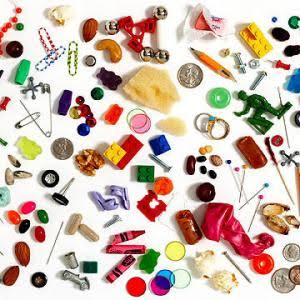
While well-known risks like marbles, latex balloons, and small bouncy balls account for many of these incidents, federal safety officials are warning parents about a less obvious threat: hidden hazards found in everyday objects and seemingly safe toys that break apart into deadly small pieces during normal play.
What Defines a Choking Hazard?
Federal safety regulations use a standardized testing tool—the CPSC Small Parts Cylinder—to determine whether an object is unsafe for toddlers. The cylinder matches the expanded throat size of a child under 3 years old. Under federal law, any toy or component designed for children under 3 that fits entirely within this tube is strictly banned from the market.

However, safety regulators emphasize that choking risks aren’t always visible on store shelves. Solid-looking toys can fracture under pressure, exposing internal components such as:
- Detachable plastic or wooden pieces
- Spherical components or small balls
- Button-cell batteries, which pose both choking and severe internal burning risks
Recent Toy Recalls and Safety Warnings
Throughout 2025 and 2026, the CPSC has issued a steady stream of enforcement actions and public recalls against products that violated federal small-parts and small-ball standards. Recent high-profile recalls include:
- ATOYUS Children’s Wooden Activity Cubes (Sold on Amazon by Melofaver US): Mallets included with the set feature spherical ends that pose a fatal choking hazard and violate the federal small parts ban.
- BABESIDE Doll and Stroller Toy Sets (Sold on Amazon by HYBDOLLS): Included small pacifier accessories and plush bear eyes that can easily detach, posing a choking risk to children under 3.
- Kindly Toys Customized Busy Boards: Clock hands, beads, and miniature airplane propellers can break off during use, creating hazardous small parts.
- Zhengxin Arts Pounding Ball Table Toys: Contain small, detachable balls that fail federal safety dimensions.
- Huaker Magnetic Balls and Rods Sets: Distributed with small balls intended for toddlers under 3, violating the federal small ball ban.
- TheKiddoSpace Peg Doll Toys: Peg dolls included in the set are sized such that they can completely block a young child’s airway.
Essential Safety Steps for Parents and Caregivers
Federal safety experts recommend the following proactive steps to keep young children safe at home:
- Obey Age Labels Strictly: Age recommendations on toy packaging are rooted in safety standards and physics, not just learning ability or developmental skill.
- Separate Siblings’ Toys: Keep toys meant for older children (ages 3 and up) stored completely out of reach of babies and toddlers.
- Conduct Regular Toy Audits: Frequently check toys for cracked plastic, loose stitching, or weakening joints that could release small internal parts.
- Monitor Balloons Closely: Uninflated latex balloons and broken balloon fragments are among the leading causes of toy-related choking fatalities in young children. Keep them entirely away from under-threes.
- Check for Active Recalls: Parents can verify if toys in their home have been recalled by visiting SaferProducts.gov.
Reporting Danger: To report an unsafe child product, a defective toy, or a product-related injury, visit SaferProducts.gov or call the CPSC Hotline at 800-638-2772.