

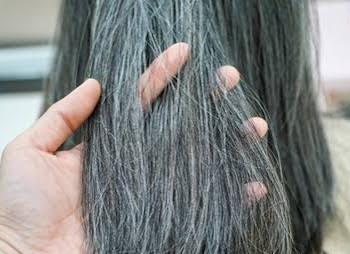
INDIANA – Ever wondered why hair eventually turns gray? It all comes down to melanin—or the eventual lack of it.
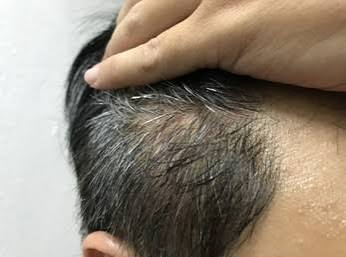
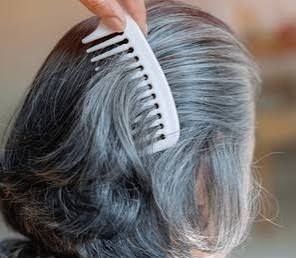
Every strand of hair derives its natural color from pigment molecules produced within hair follicles. As hair moves through continuous growth cycles lasting several years, specialized stem cells generate fresh melanin at the start of each phase. However, after somewhere between seven and 15 cycles, melanin production declines or shuts down entirely, causing new hair to grow in without pigment as white or gray.
What the Latest Science Reveals
While the general depletion of pigment has long been understood, recent breakthroughs shed new light on the exact biological mechanics behind going gray:
- Stuck Stem Cells: Landmark research led by NYU Langone Health discovered that melanocyte stem cells (McSCs)—the cells responsible for generating pigment—are uniquely flexible, continually moving back and forth between different compartments in the hair follicle. As follicles age, increasing numbers of these stem cells get “stuck” in the follicle bulge, preventing them from receiving the chemical signals needed to mature into pigment-producing cells.
- The Stress Connection: Stress really can turn your hair gray, and science now explains why. When the body enters “fight-or-flight” mode, the sympathetic nervous system releases norepinephrine. This chemical hyperactivates melanocyte stem cells, forcing them to prematurely differentiate and drain out of their reservoir inside the follicle.
- Genetics and Health Factors: Family history remains the strongest factor in determining when graying begins. If your parents grayed early, you likely will as well. Additionally, nutritional deficiencies (such as Vitamin B12), thyroid disorders, and certain medications can accelerate the process.
Can Gray Hair Be Prevented or Reversed?
At present, there is no medical treatment that reliably restores natural color once melanocyte stem cells are fully depleted or trapped. Managing stress levels and maintaining balanced nutrition may help slow premature graying, but hair dye remains the primary option for those looking to cover silver strands.
Scientists note that understanding how melanocyte stem cells become immobilized could eventually pave the way for targeted therapies aimed at reactivating trapped stem cells, opening up future possibilities for reversing gray hair at its cellular source.