


INDIANAPOLIS — The state of Indiana has concluded its 2026 fiscal year in a historically strong financial position, reporting a whopping $1.86 billion budget surplus and cash reserves totaling just under $4 billion.

State Comptroller Elise Nieshalla, alongside the State Budget Agency and the Office of Management and Budget, released the year-end closeout report on Wednesday. The figures represent a 174% spike in the state’s year-end surplus and a 60% increase in total reserve funds compared to the 2025 fiscal year, fueled by tax collections that significantly outpaced initial expectations.
“Indiana’s fiscal position is undoubtedly strong, and we responsibly navigated a time of uncertainty,” Comptroller Nieshalla said in a statement. She credited the positive closeout to active budget management and robust economic growth, pointing out that Indiana’s constitutional requirement to pass a balanced budget keeps the state consistently in the black.
A $4 Billion Safety Net
The report outlines that Indiana’s statutory reserves reached $3.99 billion as of June 30, 2026. The massive rainy-day cushion is broken down into several key state funding priorities:
- Surplus Balance: $1.86 billion
- Rainy Day Fund: $1.14 billion
- Tuition Reserve: $719.7 million
- Medicaid Reserve: $274.8 million
According to budget officials, this collective reserve amount is equivalent to roughly 17.6% of state-funded expenditures, or 63 days of emergency operational funding. This comfortably exceeds the guidelines set by the Government Finance Officers Association, which recommends keeping one to two months of expenditures in reserve.
The state achieved these record numbers despite a sharp 10% decline in federal funding, receiving approximately $2 billion less from Washington than the previous year. State tax collections, however, buffered the loss by jumping 6.8% through the fiscal year—shattering the modest 0.8% growth originally projected by lawmakers.
Political Debate Sparked Over “Pile of Cash”
While Republican leadership celebrated the fiscal milestone, the news immediately drew sharp criticism from legislative Democrats, who argue the state is hoarding taxpayer dollars while ignoring pressing social needs.
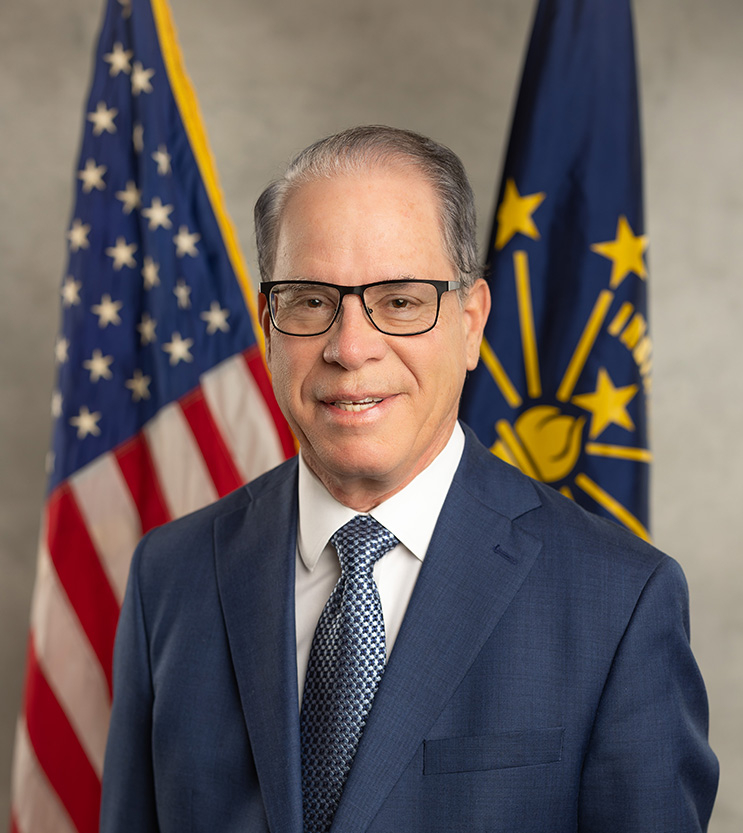
Republican Governor Mike Braun stated that the massive cushion provides invaluable “flexibility” heading into the next biennial budget session. “It gives us the option on difficult places like infrastructure, reining in healthcare costs, and early childhood learning to invest and give some relief to taxpayers,” Braun told reporters.

However, State Representative Greg Porter (D-Indianapolis) countered that state leaders shouldn’t wait until the next legislative session in January to utilize the funds. Porter, alongside other Democrats, urged the State Board of Finance to immediately deploy a portion of the reserves to support K-12 classrooms, expand childcare vouchers for working parents, and fix aging local infrastructure.

“Hoosiers don’t pay the state their hard-earned money to watch politicians sit atop a pile of cash and brag about how high it goes,” said Representative Ed DeLaney (D-Indianapolis).
Looking Ahead
Because this closeout occurred in an even-numbered year, the $1.86 billion surplus will not automatically trigger Indiana’s taxpayer refund law, which is restricted to odd-numbered years when reserves eclipse 12.5% of state spending.

State Budget Director Chad Ranney noted that while the closeout is a major structural victory that protects Indiana’s coveted AAA credit rating, the focus must remain long-term. “Closing the books successfully is a brief milestone; our continuous focus is the long-term structural health of Indiana’s finances over the next three to five years,” Ranney said.

