

WASHINGTON — Public health agencies are urging continued vigilance regarding the Zika virus, a mosquito-borne illness that remains a significant focus for global health organizations due to its link to severe birth defects and neurological complications.
First identified in parts of Africa, Southeast Asia, and the Pacific Islands, the virus gained global attention in May 2015 when the Pan American Health Organization (PAHO) issued an alert following the first confirmed infection in Brazil. Since then, scientists have worked to better understand how the virus behaves and how to protect vulnerable populations.
The Silent Spread: Transmission and Symptoms
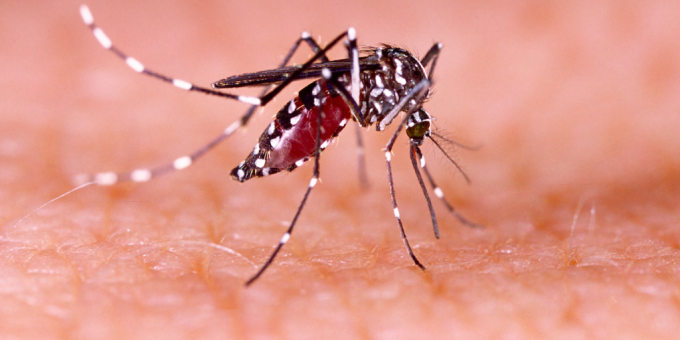
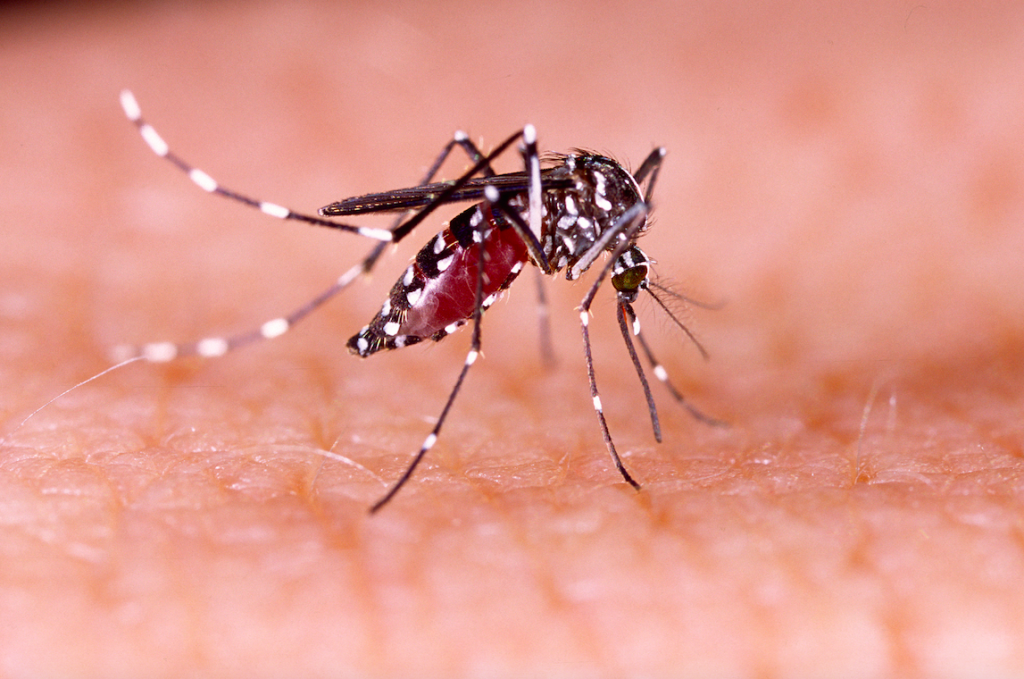
According to data from the Food and Drug Administration (FDA) and the Centers for Disease Control and Prevention (CDC), the Zika virus is primarily transmitted through the bite of an infected Aedes mosquito.
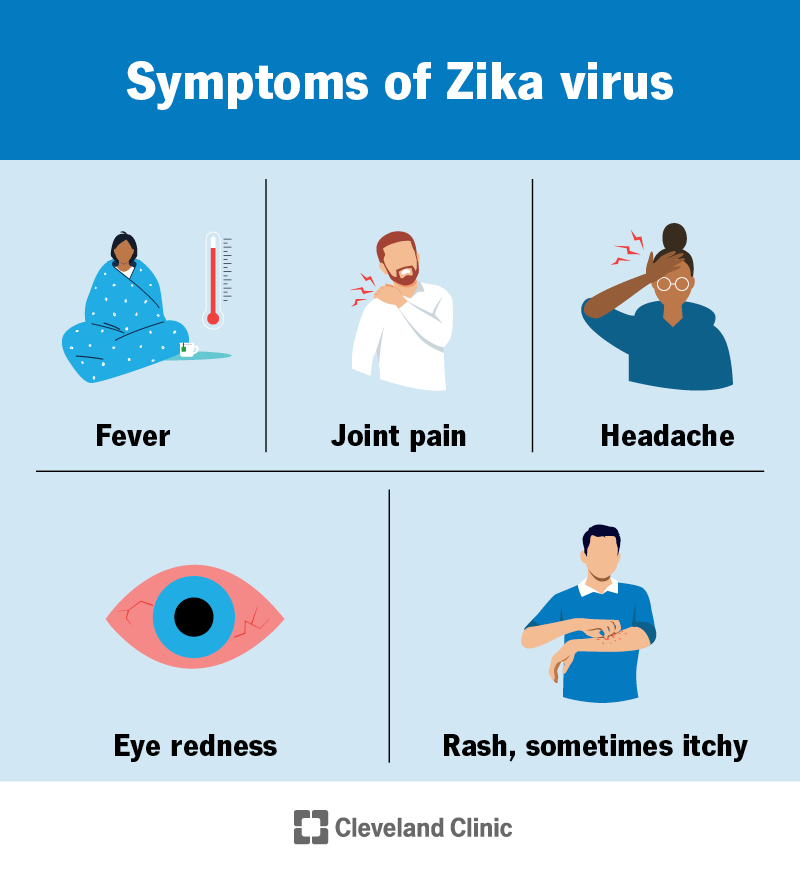
One of the most challenging aspects of controlling the virus is its stealthy nature. An estimated four out of five people infected with Zika experience no symptoms at all, meaning the vast majority of individuals never realize they carry the virus. For the minority who do become ill, symptoms are typically mild and last from a few days to a week. The most common signs include:
- Fever
- Skin rash
- Joint pain
- Conjunctivitis (red eyes)
Severe Neurological and Pregnancy Complications
While the primary illness is usually short-lived, the secondary complications can be severe. Since the 2015 outbreak in Brazil, medical professionals have reported an increase in cases of Guillain-Barré syndrome—a rare disorder where the body’s immune system mistakenly attacks its own nervous system.
The most profound impact of the virus, however, is on pregnant women. Zika can be transmitted directly from a pregnant mother to her fetus. Following a rigorous review of scientific evidence published in the New England Journal of Medicine, CDC scientists confirmed that Zika virus infection during pregnancy is a direct cause of microcephaly—a serious condition where a baby is born with an abnormally small head and brain—as well as other severe fetal brain abnormalities.
Health officials emphasize that a Zika diagnosis during pregnancy increases the risk of these severe health problems, but does not guarantee them; many infected women have given birth to babies that appear completely healthy.
Treatment and Prevention Barriers
Currently, managing the virus relies entirely on prevention, as medical options remain limited. There are no FDA-approved vaccines or treatments available for the Zika virus. While several investigational vaccines are in development—including early-stage human clinical trials—there are no therapeutics in advanced development stages at this time.
Because of the severe risks associated with pregnancy, health authorities advise women living in or traveling to affected regions to speak closely with healthcare providers regarding family planning and the use of effective birth control methods.

