

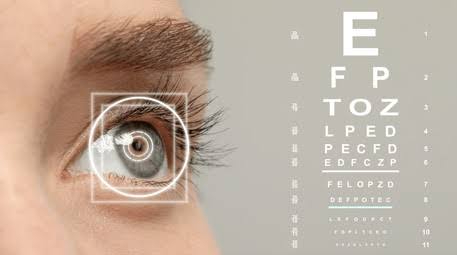
INDIANA – While most people associate cigarette smoking with cardiovascular disease and lung damage, eye health experts warn that tobacco smoke poses an equally severe—yet often overlooked—threat to vision.
Research demonstrates that smoking directly damages delicate ocular structures, significantly elevating the risk of irreversible vision loss and permanent blindness.
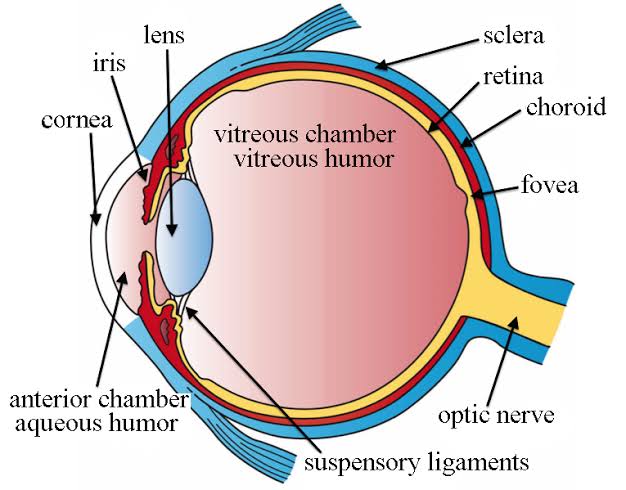
Anatomy Under Attack: How Smoke Affects the Eye
Cigarette smoke introduces heavy metals, chemical toxins, and free radicals directly into the bloodstream, restricting blood flow to ocular tissues and causing severe oxidative stress. Three critical components of the eye are particularly vulnerable:
- The Lens: The transparent structure responsible for focusing light onto the back of the eye. Toxins accelerate protein breakdown within the lens, leading to opacity.
- The Retina: The light-sensitive tissue lining the inner back surface of the eye. Impaired vascular circulation starves retinal cells of crucial oxygen and nutrients.
- The Macula: The small, highly sensitive area at the center of the retina that provides sharp, detailed central vision needed for reading, driving, and recognizing faces.
High-Risk Conditions: Cataracts and Macular Degeneration
The chemical burden of smoking dramatically shifts the odds of developing two leading causes of visual impairment:
| Condition | Risk Multiplier for Smokers | Primary Effect on Vision |
| Cataracts | 2x to 3x higher risk | Clouding of the eye’s natural lens, blocking clear light transmission. |
| Age-Related Macular Degeneration (AMD) | Up to 4x higher risk | Progressive destruction of the macula, causing central vision loss. |
Beyond cataracts and AMD, clinical research shows that smokers face an increased incidence of dry eye syndrome due to airborne irritants breaking down the eye’s protective tear film, as well as diabetic retinopathy in individuals managing diabetes.
Warning Signs and Early Symptoms
In their initial stages, both cataracts and macular degeneration can develop silently without noticeable discomfort. As tissue damage progresses, distinct symptoms begin to emerge:
Cataract Symptoms
- Cloudy, foggy, or blurred vision
- Faded appearance of vibrant colors
- Increased sensitivity to glare and sunlight
- Difficulty navigating or driving at night
- Double vision in a single eye
Macular Degeneration Symptoms
- Loss or darkening of central vision while peripheral vision remains intact
- Straight lines appearing wavy, distorted, or bent
- Difficulty recognizing facial features
- Requirement for brighter lighting during reading or close work
Because early ocular damage often occurs without pain or noticeable changes, regular comprehensive eye exams with dilation are vital for catching structural changes before significant vision loss occurs.
Reversing the Risk
The encouraging news from ophthalmologists is that quitting smoking helps mitigate these risks over time. Stopping tobacco use allows vascular inflammation to decrease and ocular blood flow to improve, significantly slowing the progression of retinal disease and lowering the long-term likelihood of requiring cataract surgery.

