

WASHINGTON, D.C. – The U.S. Department of Agriculture (USDA) is accepting 2.2 million acres into the Conservation Reserve Program (CRP) for 2026. Through CRP, USDA’s Farm Service Agency (FSA) offers agricultural producers and landowners incentive payments for their conservation efforts while benefiting their agricultural operations and protecting the nation’s natural resources.
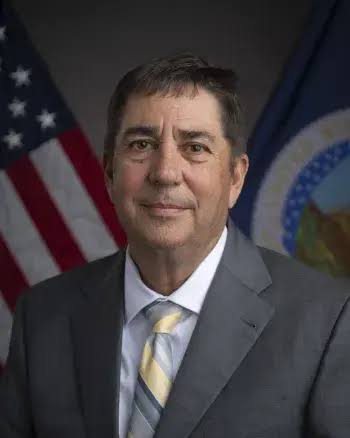
“The Conservation Reserve Program continues to demonstrate the strength of voluntary, producer-led conservation across the country,” said FSA Administrator Bill Beam. “The success of the 2026 enrollment period reflects USDA’s Farmers First commitment and the dedication of America’s farmers and ranchers to protecting our natural resources.”
Producers and landowners submitted offers on nearly 2.5 million acres through the General, Grassland, and Continuous CRP signups. Because the program’s total acreage is capped at 27 million acres for fiscal year 2026, only 2.2 million acres were available for enrollment, making for a highly competitive process for those who submitted offers for CRP.
Of the nearly 1.5 million acres set to expire on Sept. 30, producers submitted re-enrollment offers for just over 982,000 acres. Additionally, producers submitted offers to enroll 1.5 million acres of new land.
Nebraska, Colorado, and South Dakota hold the top three slots for accepted acres for all 2026 CRP enrollment opportunities.
About CRP
By enrolling in CRP, producers and landowners receive annual rental payments and cost-share assistance to establish long-term, resource-conserving vegetative covers. CRP helps reduce soil erosion, improve water quality, and increase wildlife habitat, contributing to the overall health of ecosystems.
Additionally, annual rental payments provide a steady income stream for participants, helping to stabilize farm income. Grassland CRP is a working lands conservation program that enables participants to conserve grasslands while also continuing most grazing and haying practices.
Signed into law in 1985, CRP is one of the largest voluntary private-lands conservation programs in the United States. Originally intended primarily to control soil erosion and potentially stabilize commodity prices by taking marginal lands out of production, the program has evolved over the years, providing many conservation and economic benefits to farmers, ranchers, and landowners across the country.

