

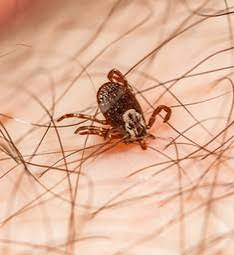
NATIONWIDE – The medical mystery behind a rare, rapid-acting, and potentially fatal tick-borne illness currently spreading across the United States can be traced back to a single 1958 case involving a young boy on a farm.
At the time of his death, Lincoln Byers, a 4-year-old living in Canada, suffered from a severe neurological condition that medical professionals simply could not explain, the Boston Globe originally reported. The strange disease was eventually named the Powassan virus, after the small Ontario town near where it was first discovered. Years later, researchers discovered a tick harboring the same virus on a dead squirrel, finally providing an answer to the historical tragedy, but foreshadowing what would become a growing public health challenge today.
While once considered an obscure medical anomaly, Powassan virus cases have officially reached historic highs in the U.S. According to the Centers for Disease Control and Prevention (CDC), 76 Americans were diagnosed with the virus in 2025, marking the highest annual total on record. To put that statistic into perspective, the U.S. previously averaged just seven to eight diagnoses each year.
As the virus spreads primarily across the Northeast and Upper Midwest, public health officials are tracking its footprint closely. In Indiana, the threat remains remarkably low but present.
According to data compiled by the CDC and state health departments, Indiana has recorded only one confirmed case of Powassan virus disease over the last two decades (spanning 2004 to 2024). Furthermore, the Indiana Department of Health reports that local transmission of Powassan virus has not been detected within the state. In cases where Indiana residents have tested positive in past years, the infections were heavily linked to out-of-state travel to highly endemic areas, such as the Great Lakes region or the northeastern coast.
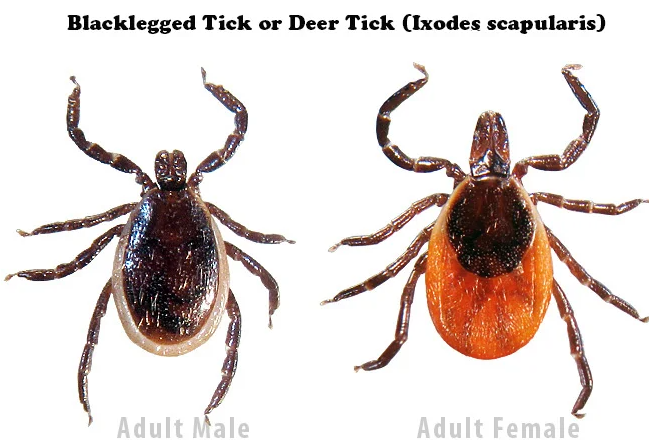
However, because the blacklegged tick (Ixodes scapularis)—the primary vector for the virus in the Upper Midwest—is well-established in Indiana as a transmitter of Lyme disease, state epidemiologists urge residents to remain cautious when entering wooded environments.
The Danger of a 15-Minute Transmission Window
The virus is primarily transmitted to humans through the bite of an infected deer tick (blacklegged tick) or a woodchuck (groundhog) tick. Like other prominent tick-borne illnesses, Powassan is most prevalent from late spring through mid-fall, when local tick populations peak and outdoor recreational activity spikes.
However, public health experts warn that the virus’s transmission speed makes it uniquely dangerous compared to more common conditions like Lyme disease.

“One of the most dangerous aspects is its rapid transmission,” Dr. Jorge P. Parada, a medical advisor at the National Pest Management Association in Chicago, told Fox News Digital. “Powassan can be transmitted in as little as 15 minutes after the infected tick bites, while Lyme disease usually requires a 36- to 48-hour attachment time for transmission.”

Dr. Marc Siegel, a senior medical analyst for Fox News, confirmed this rapid-fire transmission rate and noted that Powassan carries an incubation period of one to four weeks before any physical symptoms begin to manifest.
Symptoms and Neurological Complications
Initial symptoms of the virus include standard warning signs like fever, headache, vomiting, and generalized weakness—though the CDC notes that some infected individuals can remain entirely asymptomatic.
For those who do get sick, the virus can progress into severe, life-threatening neurological complications, including:
- Encephalitis: Acute inflammation of the brain.
- Meningitis: Severe inflammation of the membranes surrounding the brain and spinal cord.
- Advanced Symptoms: In severe clinical cases, patients experience profound confusion, loss of physical coordination, difficulty speaking, and seizures.
According to epidemiologists, approximately 10% of Powassan cases involving severe neurological disease are fatal. Furthermore, an estimated 50% of those who survive the severe form of the illness are left to contend with long-term, chronic neurological issues such as memory impairment, chronic headaches, and muscle wasting.
No Cure, No Vaccine: How to Protect Yourself
Compounding the fear surrounding the surge is the complete lack of a medical cure. There are currently no specific antiviral medications or preventative vaccines available to treat or prevent the Powassan virus. Clinical care is limited entirely to supportive therapy in a hospital setting, such as intravenous fluids, medication to reduce brain swelling, and respiratory support. While anyone exposed can develop severe illness, children, older adults, and immunocompromised individuals remain at the absolute highest risk.
Because a tick can infect a host long before a person might notice it on their skin, public health agencies stress that preventing bites entirely is the only real line of defense.
Experts recommend taking the following precautions if you are spending time outdoors:
- Use Repellents: Apply EPA-approved insect repellents containing DEET, picaridin, or IR3535 to exposed skin.
- Dress Strategically: Wear long sleeves and pants in wooded, brushy, or tall-grass environments. Tucking your pants into your socks can prevent ticks from crawling up your legs.
- Stay Maintained: Stick to the center of marked hiking trails and avoid clearing brush or disturbing underground rodent habitats unnecessarily.
- The Post-Outdoors Protocol: Once you return indoors, perform rigorous, full-body tick checks. Showering within two hours of coming inside can help wash away unattached ticks. Finally, remember to thoroughly check gear and pets, as dogs and cats can easily transport infected ticks straight into your living room.

