

WASHINGTON, D.C. — In a major ruling on the final day of its term, the Supreme Court on Tuesday upheld state laws barring transgender girls and women from competing on female school and college sports teams.
The high court’s ruling specifically addressed legal challenges to first-of-their-kind laws enacted in Idaho and West Virginia. However, the decision is expected to have nationwide ripples, effectively solidifying the legal footing for similar restrictions already on the books in 27 states.
The Constitutional and Title IX Conflict
The cases, West Virginia v. B.P.J. and Little v. Hecox, directly questioned whether categorical sports bans violate Title IX—the landmark federal law prohibiting sex discrimination in education—or the Equal Protection Clause of the 14th Amendment.
In a 6–3 decision, splitting along ideological lines on the constitutional question, the conservative majority ruled that states are justified in restricting female sports teams to cisgender women. Writing for the majority, Justice Brett Kavanaugh stated that schools can legally determine eligibility based on biological sex.
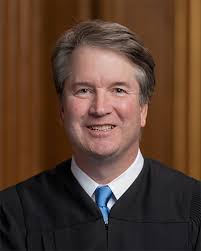
“Consistent with Title IX and the Equal Protection Clause, we hold that the States may maintain women’s and girls’ sports for biological females,” Kavanaugh wrote, asserting that the policy is justified by “vitally important interests in safety and competitive fairness.”
Significantly, all nine justices—including the liberal minority—ultimately agreed that Title IX as a statute does not explicitly prohibit states from enacting these boundaries, though they fiercely disagreed on the broader constitutional impacts.
Fierce Dissents and Personal Tolls
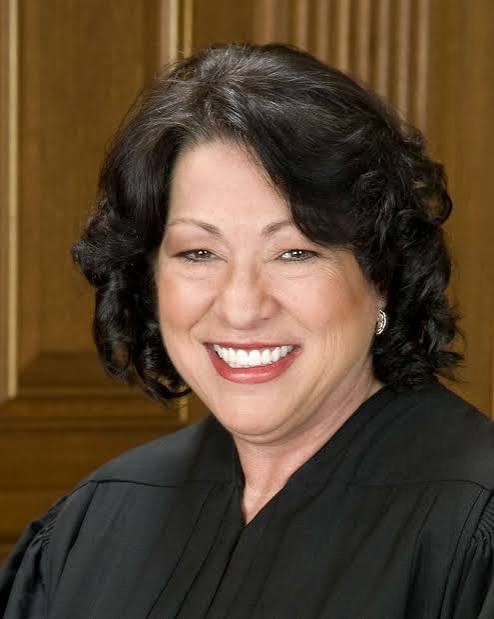
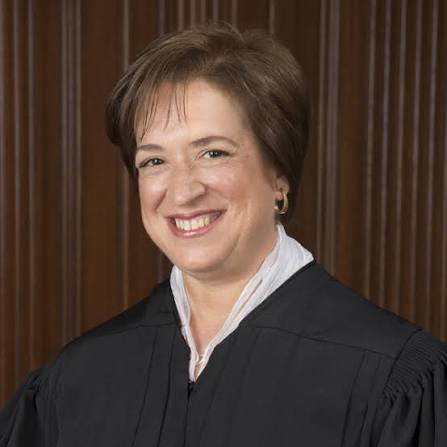
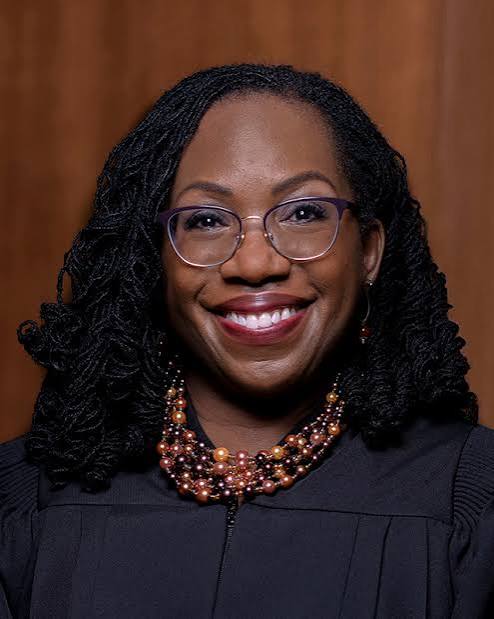
The ruling provoked a passionate dissent from the bench by Justice Sonia Sotomayor, joined by Justices Elena Kagan and Ketanji Brown Jackson. Sotomayor criticized the majority for rushing to a conclusive judgment on complex, unresolved factual questions regarding athletic performance and gender-affirming care. She warned that lowering the bar for sex-based classifications could threaten decades of broader gender equality progress.
The human toll of the legal battle was reflected in the plaintiffs at the center of the cases:
- Becky Pepper-Jackson, a high school student in West Virginia, transitioned at an early age, took puberty-blocking medications, and had established herself as a statewide champion in the shot put.
- Lindsay Hecox, a student at Boise State University in Idaho, had sued for the right to try out for the women’s cross-country team. Hecox ultimately stopped participating in competitive sports before the ruling, citing a hostile climate and fear of harassment.
A Shifting Legal and Political Landscape
The decision comes amid an intense, highly polarized political climate. President Donald Trump, who enacted an executive order targeting transgender participation in women’s sports upon returning to office, celebrated the ruling online as a “BIG WIN.” Furthermore, public sentiment has largely leaned toward restrictions; an Associated Press-NORC poll found that roughly 60% of U.S. adults favor requiring youth to compete on teams matching their sex assigned at birth.
Civil rights and LGBTQ+ advocacy groups, however, expressed profound heartbreak over Tuesday’s outcome. Advocates warn that categorical bans isolate vulnerable youth and validate the invasive scrutiny of young athletes’ bodies.
Importantly, legal experts note that while the ruling permits states to implement bans, it does not mandate them nationwide. Lawsuits challenging regulations in states like California and Connecticut—where transgender women are permitted to compete in alignment with their gender identity—remain unaffected for now, leaving the map of American high school athletics profoundly divided.

