


INDIANA — Health officials are sounding the alarm over a dangerous spike in substance misuse among American adolescents. America’s Poison Centers issued a stark national health advisory warning of a “concerning rise” in the intentional abuse of over-the-counter (OTC) allergy and sleep medications among teenagers ages 13 to 19.
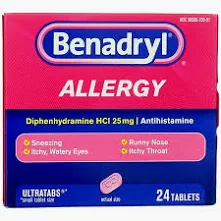
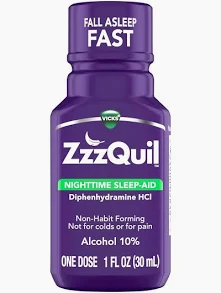
According to data released by the organization, overall teen substance exposures of all kinds rose by roughly 5% from 2024 to 2025. However, cases specifically involving diphenhydramine, the active ingredient found in ubiquitous household brands like Benadryl and ZzzQuil, skyrocketed by 32% during that same period, jumping from 10,068 cases to 13,284.
Even more troubling, data from early 2026 indicates that the trend is rapidly accelerating. In the first five months of 2026 alone, poison centers logged 6,179 diphenhydramine-only cases among teens, which is more than double the number recorded during the exact same timeframe last year.
Social Media “Challenges” Drive Intentional Misuse
Public health experts emphasize that this surge is not the result of accidental dosage errors. Instead, it is being fueled by teens intentionally taking massive quantities of the medication to achieve a high. In 2026, intentional abuse accounted for 13.2% of all teen diphenhydramine cases, a steep increase from 7.3% in 2020.
A primary catalyst for this behavior is the resurgence of viral social media challenges, such as the online “Benadryl Challenge”. Across various platforms, online videos document adolescents taking excessive amounts of the drug in an effort to fight off its natural sedative effects to induce euphoria or severe hallucinations.
Because these products are available without a prescription, many teenagers operate under the false impression that they are entirely safe.
Severe Health Risks and Fatalities
Medical professionals warn that abusing diphenhydramine carries extreme, life-threatening dangers. Because the drug heavily impacts both the central nervous system and the cardiovascular system, taking it in high doses can quickly cause an overdose.
According to pediatric health providers, symptoms of diphenhydramine poisoning include:
- Extreme drowsiness or an inability to wake up
- Severe agitation, confusion, and vivid hallucinations
- Rapid heart rates and dangerous heart rhythm arrhythmias
- Nausea and violent vomiting
- Seizures, coma, and loss of consciousness
The real-world consequences of this trend have already proven devastating. The national advisory closely follows a warning issued by state officials in Connecticut, where three children tragically died from apparent diphenhydramine overdoses. Data suggests that roughly 80% of the teen overdose calls received by poison centers regarding these medications ultimately require emergency room visits and intensive hospital care.
Advice for Parents and Caregivers
In light of the escalating numbers, America’s Poison Centers and pediatricians are urging adults to take immediate preventative measures at home:
- Secure Medications: Treat over-the-counter sleep and allergy aids with the same caution as prescription drugs. Keep them stored up high, entirely out of sight, or locked away where children and teens cannot access them.
- Monitor Social Media: Maintain an open, active dialogue with teenagers about what they are seeing online. Explicitly warn them against participating in dangerous viral challenges.
- Educate on Risks: Dismantle the myth that over-the-counter means “risk-free”. Ensure teens understand how to read a drug label and the severe physiological damage that can happen if those instructions are ignored.
Emergency Resources
If you suspect a teenager has misused or overdosed on an over-the-counter medication, do not wait for severe symptoms to appear. Contact America’s Poison Control Centers immediately at 1-800-222-1222 or visit PoisonHelp.org. Fast, free, and confidential medical advice from toxicologists is available 24 hours a day, 7 days a week. If the individual is unconscious or having a seizure, call 911 immediately.

