

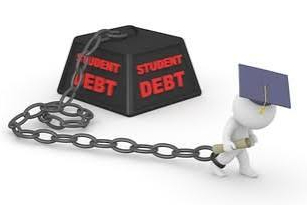
WASHINGTON, D.C. — In an effort to ease the burden of a ballooning $1.7 trillion federal student loan portfolio, the Trump administration on Thursday announced a temporary 1 percentage point reduction in interest rates for select federal student loan borrowers.
The U.S. Department of Education pitched the policy, set to take effect July 1, 2026, as a targeted salve for Americans struggling with repayment. It arrives as student loan delinquencies climb to their highest rate in six years. According to recent data from the Federal Reserve Bank of New York, 10.3% of student loans were seriously past due (90 days or more) during the first quarter of 2026. This represents a staggering twenty-fold spike since mid-2024.
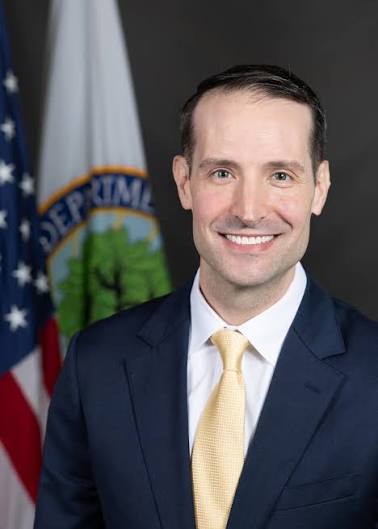
“The Trump Administration is making student loan repayment easier than ever,” said Under Secretary of Education Nicholas Kent, noting that the temporary incentive is designed to drive up prompt repayment rates and “significantly improve the overall health of the federal student loan portfolio.”
However, consumer advocates warn that the immediate benefits will bypass millions of borrowers due to strict, highly specific eligibility rules.
Who Qualifies for the Rate Reduction
The new interest rate reduction is not universal. To secure the 1% discount, borrowers must meet the following criteria:
- Loan Type: The reduction applies exclusively to federal Direct Loans issued after July 1, 2012.
- The Auto-Pay Catch: Borrowers must be enrolled in automatic electronic payments. Currently, only 40% of federal student loan borrowers use auto-pay—a stark drop from the pre-pandemic era when enrollment surpassed 80%.
For the millions of borrowers who have already set up auto-pay, the new savings will be less dramatic than advertised. Because existing auto-pay users already receive a standard 0.25% interest rate discount, the Education Department will simply shave off an additional 0.75% to bring their total reduction to 1%.
The incentive is temporary and is legally structured to expire on June 30, 2028. Eligible borrowers must enroll in auto-pay by September 30, 2026, to secure the benefit.
Barriers for Borrowers in Default
The policy presents a significant hurdle for the estimated 9 million student loan borrowers currently in default (defined as having missed nine or more consecutive months of payments).
Because individuals in default are not in an active repayment status, they cannot simply log in and select auto-pay. To become eligible for the interest cut, defaulted borrowers must first bring their accounts back into good standing. According to the department, this will typically require borrowers to consolidate their eligible loans through StudentAid.gov and apply for one of the administration’s new repayment tracks.
Part of a Larger July 1 Student Loan Overhaul
The temporary interest rate cut serves as a transitional bridge for a broader, systematic restructuring of federal student aid mandated by President Trump’s Working Families Tax Cuts Act.
Beginning July 1, 2026, the administration will phase out several Biden-era repayment initiatives—including the controversial and legally embattled Saving on a Valuable Education (SAVE) plan—replacing them with new, strictly limited borrowing options. Moving forward, the administration is heavily leaning into two new tracks:
- The Repayment Assistance Plan (RAP): A newly minted income-driven repayment option. Unlike older programs, the Education Department states that RAP will peg monthly payments to income and dependents while shielding on-time payees from runaway, compounding interest.
- The Tiered Standard Repayment Plan: A fixed-term option allowing terms of 10, 15, 20, or 25 years based entirely on a borrower’s total outstanding debt balance, offering extended timelines for those facing severe debt.
Understanding the Delinquency Spike
The sudden urgency to incentivize auto-pay traces back to the volatile history of student loan policy over the last several years.
Delinquencies plunged to near-zero in 2020 due to emergency pandemic-era legislation that suspended federal student loan payments and slashed interest rates to 0%. However, following the expiration of the payment pause in late 2023, coupled with the official resumption of federal delinquency reporting in early 2025, the percentage of borrowers falling seriously behind has rapidly surged back to pre-pandemic highs.
Officials emphasize that automatic payments are the most reliable mechanism to keep borrowers from falling into default, which can trigger severe financial penalties, tax refund seizures, and long-term damage to credit scores.

