

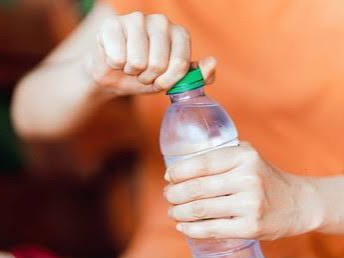
INDIANA – With Americans consuming roughly 15.9 billion gallons of bottled water annually, refilling an empty plastic bottle from the tap is a common habit. However, medical and environmental research suggests that reusing single-use containers exposes consumers to bacterial growth, chemical leaching, and microplastics.
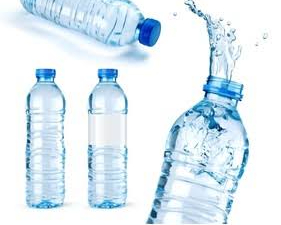
While a plastic bottle might look clean, it quickly transforms into an ideal breeding ground for microorganisms.
According to Philip Tierno, PhD, director of microbiology and immunology at NYU Langone Medical Center, after two days or so, colonies of microorganisms will form a biofilm, similar to the way barnacles adhere to a boat. This slimy layer is composed of mouth bacteria, waterborne pathogens, and germs transferred from unwashed hands.
A comparative study found that plastic polyethylene terephthalate (PET) bottles harbored significantly higher levels of bacteria than stainless steel alternatives, with many disposable bottles containing more bacteria than a toilet seat. If left unwashed, these bottles can harbor pathogens like E. coli and Salmonella.
Because the thin plastic features microscopic grooves, completely scrubbing away this biofilm is nearly impossible. Dr. Tierno notes that while refilling a disposable bottle is acceptable for up to 24 hours, it should be discarded after 48 hours.
Physical degradation of the bottle also increases the risk of chemical contamination. Most standard water bottles are manufactured using PET plastic (recycling code #1), which can release suspected carcinogens like acetaldehyde and antimony trioxide over time. Others may contain Bisphenol A (BPA), a known endocrine disruptor.
Physical damage from squeezing, freezing, or scratching creates tiny structural fractures that allow these chemicals and microplastics to escape into the water.
Exposing plastic bottles to heat accelerates this process. Leaving a water bottle in a hot car breaks down the plastic, often resulting in a distinct chemical taste. Research indicates that temperatures of 180°F (35°C) and above significantly increase chemical release, meaning disposable bottles should never be run through a dishwasher or washed with scalding water.
Sustainable Alternatives
Attempting to extend the life of a disposable bottle does little to offset its heavy environmental toll. Manufacturing single-use plastics relies on fossil fuels, and EPA data reveal that only about 29% of PET bottles are successfully recycled. The remainder ends up in landfills or as litter, leaching toxins into groundwater and disrupting ecosystems.
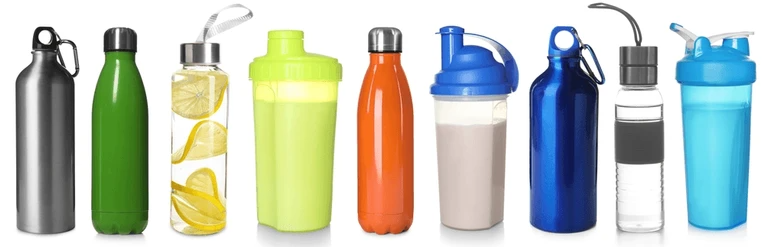
To protect personal health and the environment, medical professionals suggest moving away from single-use plastics entirely:
- Switch to Reusable Containers: Transition to stainless steel or glass water bottles, which feature smooth surfaces that are easier to keep sterile.
- Filter Tap Water: Use home water filters to ensure clean drinking water without relying on packaged plastic.
- Maintain Reusable Bottles: Wash reusable metal or glass bottles at least once a week using a bottle brush and dish soap, or soak them overnight in a solution of equal parts white vinegar and water.

