


BLOOMINGTON — A high-profile battle over classroom speech and Indiana’s higher education legislation has reached a new turning point. Jessica Adams, a lecturer in the Indiana University School of Social Work, has announced she is challenging the university’s decision not to renew her teaching contract following a months-long investigation rooted in a student complaint.
Adams learned in late May via a letter from administrators that her employment with the university will officially conclude on June 30, 2026, marking the end of her current appointment. The decision follows a tumultuous school year that thrust Adams to the center of a statewide debate regarding academic freedom and political ideology.
The controversy began during a September lecture in Adams’ graduate-level course, “Diversity, Human Rights, and Social Justice.” As part of a lesson examining systemic racism, Adams displayed a widely circulated educational aid known as the “Pyramid of White Supremacy.”
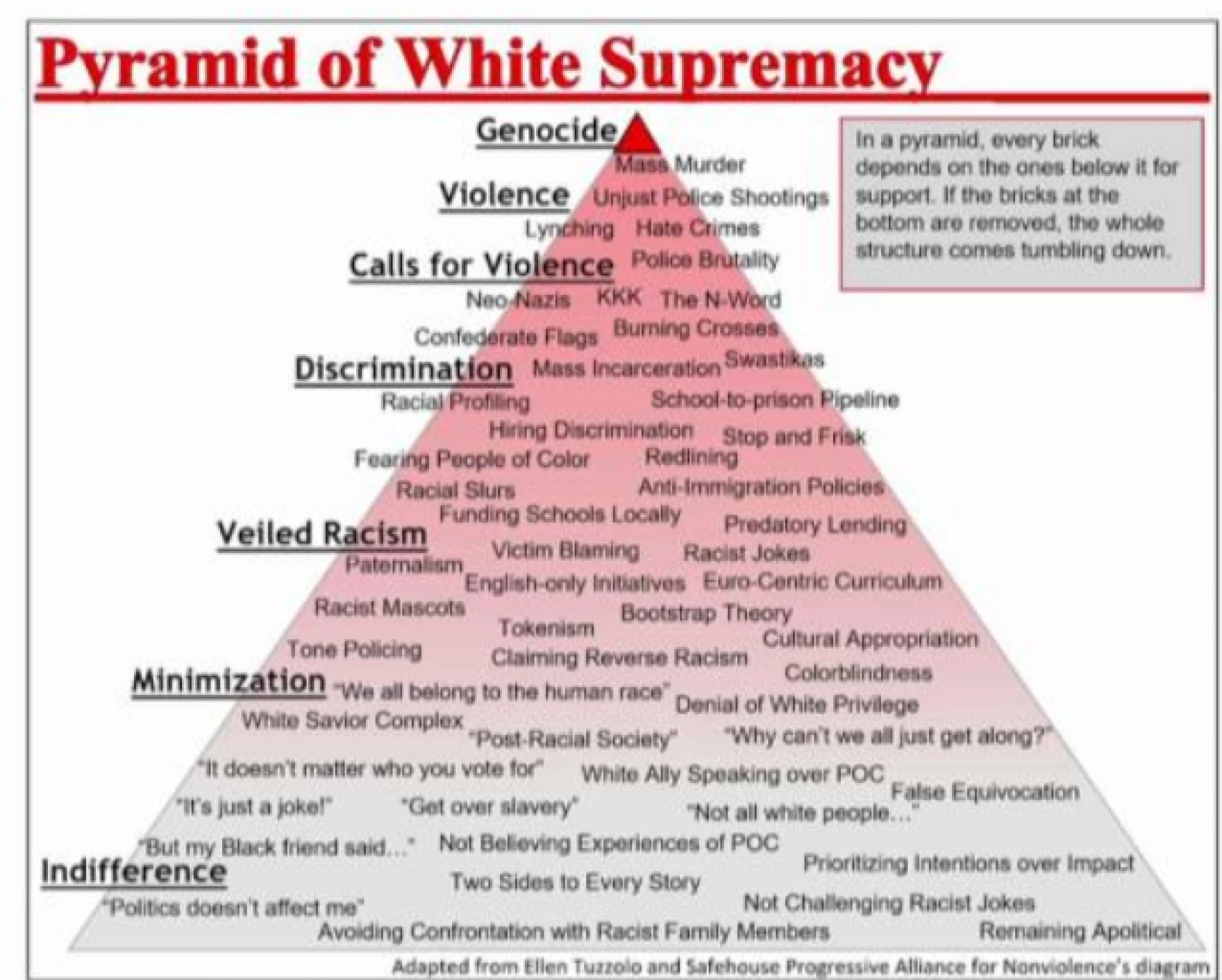
The visual graphic organizes forms of racism from overt acts at the top to socially accepted, “covert” acts at the bottom. Listed among the bottom tiers of the pyramid—alongside concepts like cultural appropriation and racist mascots—was former President Donald Trump’s campaign slogan, “Make America Great Again” (MAGA).
While students in the class noted that Adams did not explicitly focus on or lecture about the slogan itself during the session, an anonymous student took issue with the slide.
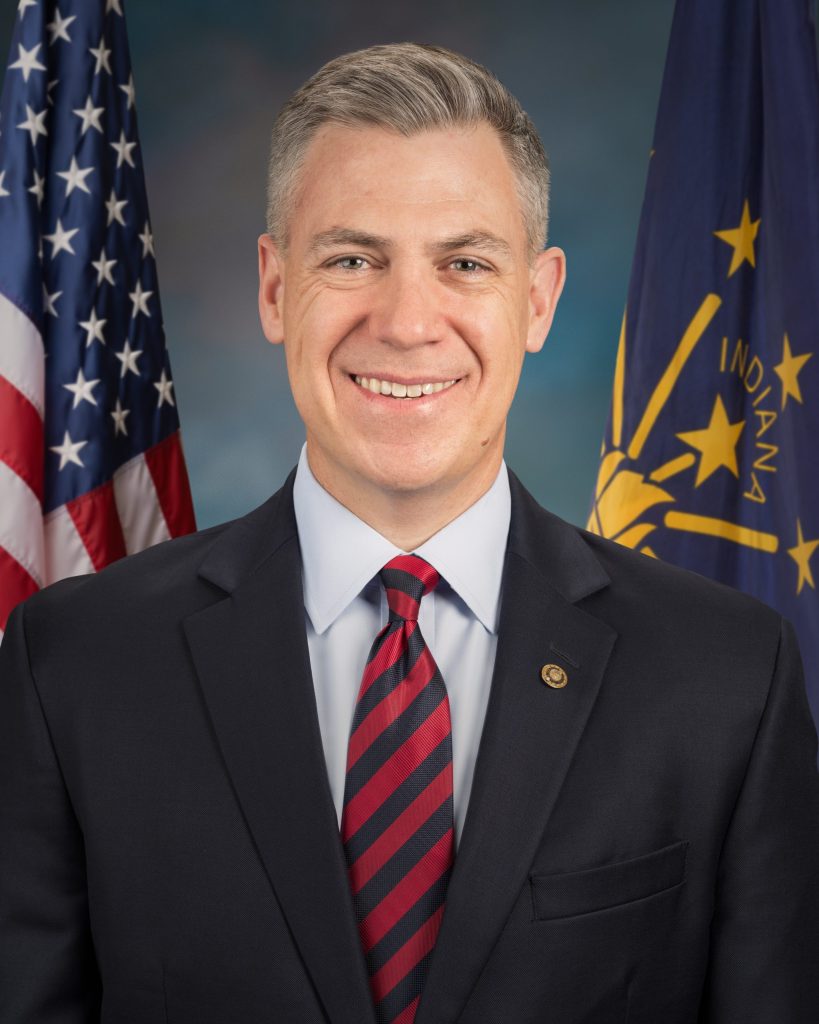
Instead of raising the concern with Adams or the university ombudsmen, the student reported the lesson directly to the office of Republican Senator Jim Banks. The lawmaker’s staff flagged the incident to IU administrators, prompting an official grievance to be filed by the school’s dean.
The complaint argued that the lesson potentially violated Indiana Senate Enrolled Act 202 (SEA 202). Enacted to mandate “intellectual diversity” across public state institutions, the law permits students and employees to report faculty members whom they believe fail to foster free inquiry, free expression, or a balanced representation of differing political viewpoints. Critics of the legislation have long feared it would be weaponized to censor academic speech, while proponents argue it protects conservative students from classroom indoctrination.
Following the complaint, IU administration took the step of removing Adams from her classroom in October, placing guest lecturers in her place for six weeks while internal affairs reviewed the incident.
Adams was eventually permitted to return to her graduate course in early December, but under strict, university-imposed sanctions. Among those stipulations was a high level of monitoring, which included requiring Adams to record all of her lectures and permitting university observers to sit in on her classes.
While Adams appealed those initial sanctions, university officials informed her in a mid-year performance review that she was being placed on a 30-day performance improvement plan. According to Adams, the performance review alleged deficiencies in course organization and instruction time, which she has strongly contested.
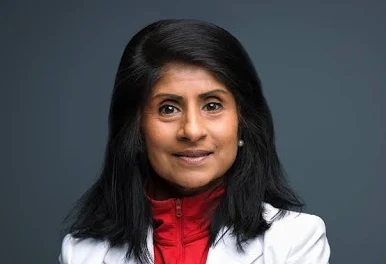
In May, IU Indianapolis Chancellor Latha Ramchand formalized the university’s decision not to reappoint Adams, citing a standard performance evaluation from the spring semester rather than explicitly tying the termination to the SEA 202 investigation.
The decision has drawn swift condemnation from academic and professional organizations. The University Alliance for Racial Justice publicly called the non-renewal a “termination” and demanded that IU account for the role outside political pressure played in the handling of the case. Additionally, the Indiana Chapter of the National Association of Social Workers (NASW) defended Adams’ curriculum, stating that exploring concepts like the white supremacy pyramid is a standard component of fostering cultural competency in professional social work.
Adams has stood firmly by her teaching methods, emphasizing that the core mission of the social work profession explicitly includes working to eliminate racism. She has confirmed she is actively filing an appeal to contest the non-renewal.
Indiana University spokesperson Mark Bode stated that the university does not comment on ongoing individual personnel matters.