

INDIANA — Spending time outdoors is highly beneficial for physical health, stress reduction, and maintaining necessary vitamin D levels. However, health officials are reminding the public that working and playing outside requires proactive measures to prevent long-term damage, including skin cancer.
Most skin cancers are directly caused by overexposure to ultraviolet (UV) light—an invisible form of radiation emitted by the sun, tanning beds, and sunlamps that actively damages skin cells.
Public health experts emphasize that UV protection is a year-round necessity. These rays can easily penetrate cloud cover on cool, overcast days, and they reflect intensely off common surfaces like water, cement, sand, and snow. In the continental United States, UV rays are at their peak intensity between 10 a.m. and 4 p.m. daylight saving time (9 a.m. to 3 p.m. standard time).
A key tool for daily planning is the UV Index, which forecasts local radiation strength. Whenever the UV Index reaches a level of 3 or higher, skin protection is strongly recommended.
Your Defense Toolkit: Five Steps to Sun Protection
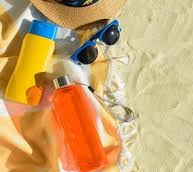
The Centers for Disease Control and Prevention (CDC) outlines a multi-layered approach to blocking harmful UV rays:
1. Seek Shade
Utilizing umbrellas, trees, or structural shelters is a premier way to reduce sun damage. Because UV rays reflect off ground surfaces, health officials note that shade should always be paired with sunscreen or protective clothing for maximum safety.
2. Wear Smart Clothing
Whenever practical, long-sleeved shirts, pants, and long skirts offer the most comprehensive physical barrier against radiation.
- Fabric & Color: Tightly woven fabrics offer far superior protection compared to loose knits. Additionally, darker colors typically absorb more UV rays, preventing them from reaching your skin, while a wet t-shirt provides significantly less protection than a dry one.
- Standards: Look for clothing specifically certified under international standards for UV protection.
3. Choose the Right Hat
For optimal defense, select a hat with a continuous, wide brim that effectively shades the face, ears, and back of the neck. Materials like canvas or tightly woven cloth are ideal. Avoid straw hats with gaps or holes that allow sunlight to pass through. If wearing a standard baseball cap, ensure you apply sunscreen to your unprotected ears and neck.
4. Wear Wrap-Around Sunglasses
Sunglasses do more than reduce glare; they protect your eyes from UV rays that cause cataracts and shield the delicate skin surrounding the eyes. Look for lenses labeled as blocking both UVA and UVB rays. Wrap-around styles are highly recommended because they prevent stray light from sneaking in through the sides.
5. Apply and Reapply Sunscreen
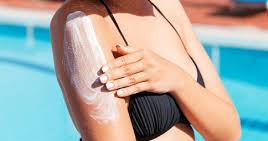
Apply a thick layer of broad-spectrum sunscreen with a Sun Protection Factor (SPF) of 15 or higher to all exposed skin before stepping outside.
Important Sunscreen Rules:
- Reapplication: Sunscreen wears off. It must be reapplied every two hours, and immediately after swimming, sweating, or towel drying.
- Infant Care: Sunscreen is not recommended for infants aged 6 months or younger. Parents should keep infants out of direct midday sun and rely on protective clothing.
- Expiration: Check the expiration date. Sunscreen without a printed date has a maximum shelf life of 3 years, though exposure to high heat (like being left in a hot car) can shorten its efficacy.
Institutional Safety: Tips for Schools and Employers
Because substantial UV exposure occurs during standard school and work hours, organizations are being asked to step up their safety protocols.
For Schools and Childcare Centers
Recess and outdoor midday activities place students at unique risk. Administrators and teachers can safeguard children through several targeted strategies:
- Increase Shade: Plant trees or build designated shade structures on playgrounds, and transition outdoor activities into these covered zones.
- Promote Safety: Encourage students to wear hats and sunglasses, and build routine breaks into outdoor activities for water and sunscreen reapplication.
- Curriculum: Implement verified educational programming. The National Cancer Institute lists several evidence-based sun-safety programs explicitly tailored for schools.
For Outdoor Employers
Under the Occupational Safety and Health Act, employers are legally required to minimize workplace harms, which includes mitigating extreme sun exposure. Beyond compliance, protecting workers makes financial sense: skin cancer costs American industries more than $100 million annually in lost productivity and absenteeism.
Employers can safeguard their outdoor teams by:
- Modifying Schedules: Shift heavy outdoor tasks, such as mowing or roofing, to early morning hours to bypass the noon solar peak, and rotate workers to limit individual exposure times.
- Providing Infrastructure: Set up tents, temporary shelters, and cooling stations at active worksites.
- Wellness Training: Integrate sun-safety education into workplace safety meetings, teaching workers to recognize the risks of UV exposure and the early symptoms of overexposure.

