

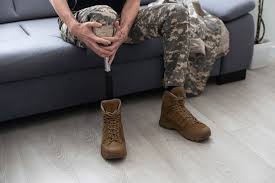
INDIANA — The Department of Veterans Affairs (VA) has announced a major overhaul to its prosthetic procurement process, stripping away layers of administrative bureaucracy to accelerate the delivery of artificial limbs to thousands of amputee veterans nationwide.
Under the agency’s previous procurement rules, every single order for a prosthetic limb—regardless of complexity or cost—required formal review and sign-off by a designated contracting officer. This administrative hurdle frequently stalled deliveries, forcing veterans to wait several weeks just for paperwork clearance before manufacturing or fitting could even begin.

A new directive issued by VA Secretary Doug Collins has completely transformed that workflow, exempting approximately 95% of all prosthetic limb orders from the mandatory contracting officer review track.
Moving forward, only the most complex and expensive specialty prosthetics will remain subject to the traditional review process.
Sourcing Direct From Local Suppliers
To further expedite care, Secretary Collins has authorized local VA purchasing agents to bypass centralized acquisition channels and source devices directly from local medical suppliers, provided the prosthetic pricing matches established Medicare rate schedules. Because Medicare-pegged items feature fixed pricing, the policy eliminates the need for prolonged price negotiations and standard contracting reviews.
According to agency data, these commonsense adjustments have already trimmed an average of 10 days off wait times. Once VA medical centers across the country fully implement the streamlined system, the agency projects that average wait times for major prosthetics will plummet by more than 40 percent, dropping from 94 days to 54 days.
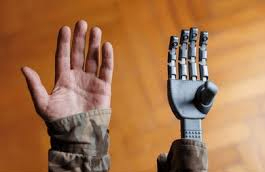
“Every day counts for veterans,” Secretary Collins said in a statement. “By removing needless bureaucracy, VA is enabling clinicians and procurement teams to provide veterans with high-quality prosthetic care, better and faster than before.”
More than 45,000 veterans rely on the VA annually for major limb loss care and ongoing clinical rehabilitation services.
Part of Broader Systemic Overhauls
The expedited prosthetic delivery initiative marks the latest in a series of administrative adjustments aimed at improving healthcare delivery metrics across the sprawling federal department.
According to the agency’s latest internal operational data, the VA has hit several key milestones aimed at expanding veteran access and reducing institutional backlogs over the last year and a half:
- Enrollment and Facilities: The VA has enrolled more than 150,000 new veterans into its healthcare network so far in 2026, supported by the opening of 36 new healthcare facilities across the country to expand regional access.
- Backlog Reductions: The pending backlog of veterans waiting for official VA benefits decisions has been successfully reduced by 72% since early 2025.
- Appointment Volume: The agency completed a record of 82,083,918 direct care appointments during fiscal year 2025—a 4.1% increase over the previous fiscal year. This included offering more than 2.8 million appointments outside of traditional operating hours to accommodate working veterans.
- Housing Initiatives: The VA successfully placed 51,936 unhoused veterans into permanent housing situations during fiscal year 2025, marking the highest annual housing total achieved by the department in seven years.
Veterans seeking additional information regarding localized limb loss resources, device options, or processing timelines are encouraged to visit the official VA Amputation Care Services and Prosthetic & Sensory Aid Services portals online.
August Deadline Approaching for Annual Clothing Allowance
In tandem with structural procurement upgrades, the VA is also reminding disabled veterans to check their eligibility for the annual VA Clothing Allowance ahead of the upcoming summer deadline.
This tax-free benefit, which currently provides over $1,000 annually, is designed to help veterans offset the cost of replacing or repairing wardrobe items damaged by medical treatments. To qualify, a veteran must meet at least one of the following criteria:
- Use a qualifying prosthetic or orthopedic device (such as a wheelchair, artificial limb, rigid brace, or crutches) that causes continuous wear, tear, or friction to clothing.
- Use a prescribed topical skin medication for a service-connected condition that permanently stains, damages, or degrades clothing items.
Veterans who require multiple devices or medications may even qualify for more than one annual allowance. The hard deadline to submit applications for the current fiscal year is August 1.

