

INDIANA — Health organizations nationwide are marking June as Alzheimer’s and Brain Awareness Month, using the global spotlight to draw urgent attention to a ballooning neurological epidemic.
An estimated 7.4 million people in the United States are currently living with Alzheimer’s disease, according to the newly released 2026 data report from the Alzheimer’s Association. Driven by an aging baby-boomer population, that figure is projected to skyrocket, nearly doubling to approximately 14 million within the next 25 years.
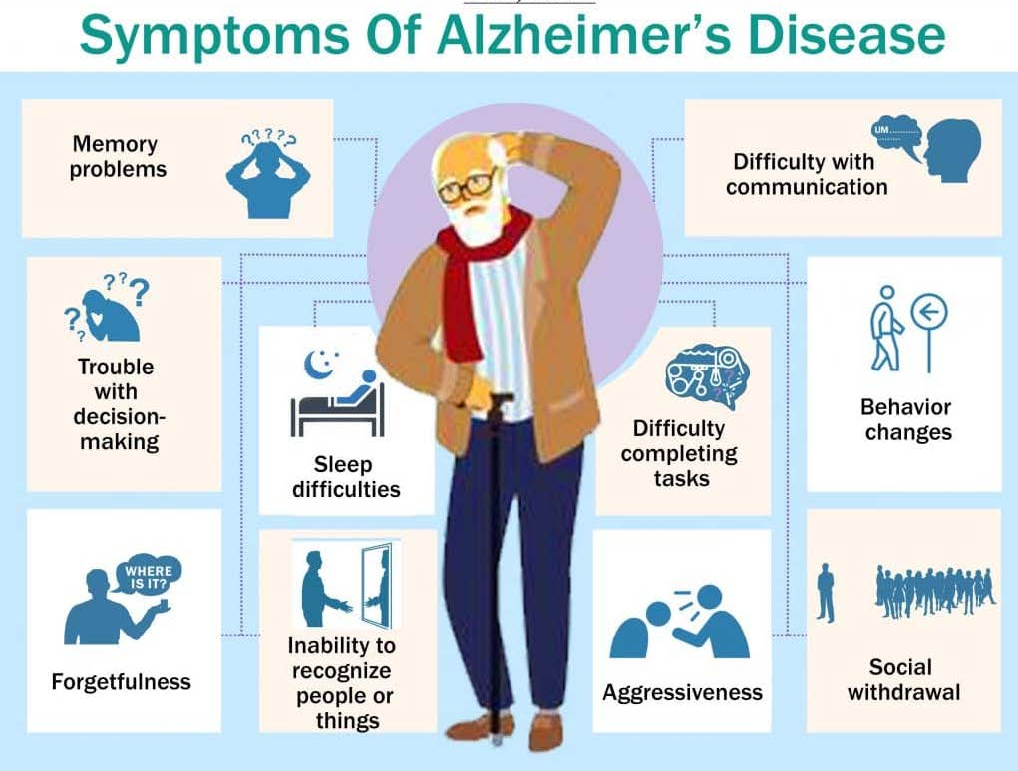
Despite decades of intense medical research, there remains no cure for the progressive neurological disorder, which gradually destroys brain tissue, degrades short- and long-term memory, and ultimately robs individuals of the basic cognitive abilities needed to live a normal, independent life.
The Reality Facing Hoosier Families
The crisis strikes close to home in the Hoosier State. Data provided by the Alzheimer’s Association Indiana Chapter indicates that approximately 121,300 Indiana residents are currently living with the disease.

The physical, emotional, and financial burdens of managing this condition extend far beyond the diagnosed patients themselves:
- The Caregiver Toll: There are an estimated 221,000 family members and friends in Indiana providing unpaid, round-the-clock care to loved ones suffering from dementia. The Hamilton County Reporter
- The Financial Impact: Last year alone, Hoosier caregivers provided 329 million hours of unpaid care, a monumental contribution valued at nearly $6.6 billion. The Hamilton County Reporter
- Statewide Mortality: Alzheimer’s disease remains the 6th leading cause of death in Indiana. Nationwide, 1 in 3 older adults dies with Alzheimer’s or another form of dementia—a mortality rate higher than breast cancer and prostate cancer combined. Alzheimer’s Association
The Massive Awareness vs. Action Gap
Coinciding with Brain Awareness Month, a recent nationwide poll surveying 3,800 adults ages 40 and older revealed a stark contradiction in how Americans view cognitive health.
While a resounding 99% of respondents stated that maintaining brain health is just as important as physical health, a meager 9% reported knowing “a lot” about how to actually protect it.
Medical experts emphasize that while there is no cure, research increasingly shows that adopting proactive, healthy habits during midlife can slow down cognitive decline and potentially reduce overall dementia risk. Key preventative measures include protecting against head injuries, quitting smoking, engaging in regular physical exercise, and incorporating daily mental stimulation through reading or puzzles.

Additionally, the economic strain of the disease is reaching unprecedented heights. In 2026, the direct healthcare and long-term care costs associated with managing Alzheimer’s nationwide are projected to reach a record-breaking $409 billion, much of which will be absorbed by taxpayer-funded Medicare and Medicaid programs.
Local health officials urge families experiencing early warning signs of cognitive decline—such as disruptive memory loss, difficulty solving simple problems, or sudden changes in mood and personality—to reach out to their primary care providers or utilize the free resources and 24/7 helplines available through the Alzheimer’s Association website at alz.org.