

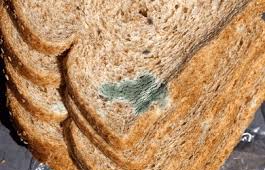
INDIANA – It is a scenario almost everyone has faced: you take a bite of a sandwich, glance down at the loaf of bread, and spot a furry green patch of mold. A wave of mild panic usually follows.
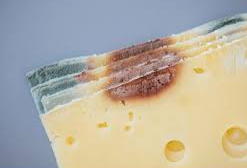
While discovering mold on your food is rarely appetizing—unless you are slicing into a block of intentionally aged blue cheese — accidental ingestion is incredibly common. But what actually happens inside your body when you eat moldy food, and is it ever safe to just cut the bad part off?
Here is what food safety experts and gastroenterologists want you to know.
Mold is a type of fungi that occurs naturally throughout our environment. It reproduces and spreads by releasing millions of microscopic spores into the air, which thrive and multiply when they land in warm, humid spots. When these spores target food—especially high-moisture items—they can begin growing rapidly the moment they are exposed to oxygen.
The biggest mistake people make is assuming that mold only exists where they can see it.
Think of mold like a weed in a garden. The fuzzy colorful spot on the outside is just the “flower” or the spore-producing part of the fungus. Beneath the surface, mold develops a deep, invisible network of microscopic roots called hyphae that can penetrate far deeper into the food than what is visible to the naked eye.
What Happens Inside Your Stomach?
If you realize you just swallowed a bite of moldy bread or fruit, take a deep breath. In most cases, you are going to be completely fine.
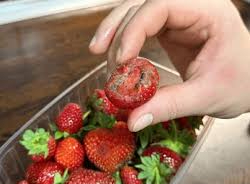
The human digestive system is highly resilient. Plenty of molds are entirely safe to ingest—such as the specific strains utilized to manufacture penicillin, cure deli meats, or age specialty cheeses. If you accidentally swallow a small amount of a less-friendly environmental mold, your stomach acids and specialized digestive enzymes are incredibly effective at neutralizing the threat and breaking down any dangerous compounds before they can cause harm.
However, there are exceptions to the rule:
- Mycotoxins: Some specific strains of molds produce toxic chemical byproducts known as mycotoxins. In large quantities or over prolonged exposure, these toxins can cause acute gastrointestinal distress, including nausea, vomiting, and diarrhea.
- Allergic Reactions: For individuals with a diagnosed mold allergy, ingesting or inhaling spores can trigger respiratory distress, hives, or more severe allergic complications.
- Long-term Risks: Certain rare mycotoxins, such as aflatoxins (commonly found on contaminated crops like nuts and grains), are dangerous carcinogens that can cause liver damage if consumed consistently over long periods.
Toss or Save? The Food-Safety Playbook
Because of mold’s ability to tunnel deep below the surface, food-safety experts generally recommend a “when in doubt, throw it out” approach for most items. However, whether a food can be salvaged depends entirely on its moisture content and density.
| Food Type | Safety Action | The Scientific Reason |
| Soft Foods (Bread, soft cheeses, yogurt, berries, leftovers) | TOSS THE WHOLE THING | High moisture and porous textures allow the invisible root system and bacteria to spread instantly throughout the entire item. |
| Hard Foods (Cheddar, parmesan, carrots, bell peppers, cabbage) | SALVAGEABLE | The dense, low-moisture structure prevents the mold roots from penetrating deeply into the food. |
How to Properly Salvage Hard Foods
If you do decide to save a dense food item like a block of hard cheese or a firm vegetable, you cannot just scrape the surface. Experts state you must cut off at least one inch around and beneath the visible mold spot to ensure you have completely removed the hidden root network. Be sure to keep the knife away from the mold itself so you do not accidentally cross-contaminate the clean sections of the food.