


INDIANAPOLIS – Elin Lewis, a 12-year-old from Greenwood, has made history as the first patient in the state to receive a groundbreaking, FDA-approved gene therapy for transfusion-dependent beta-thalassemia, a severe inherited blood disorder that affects approximately 1,500 people in the United States.
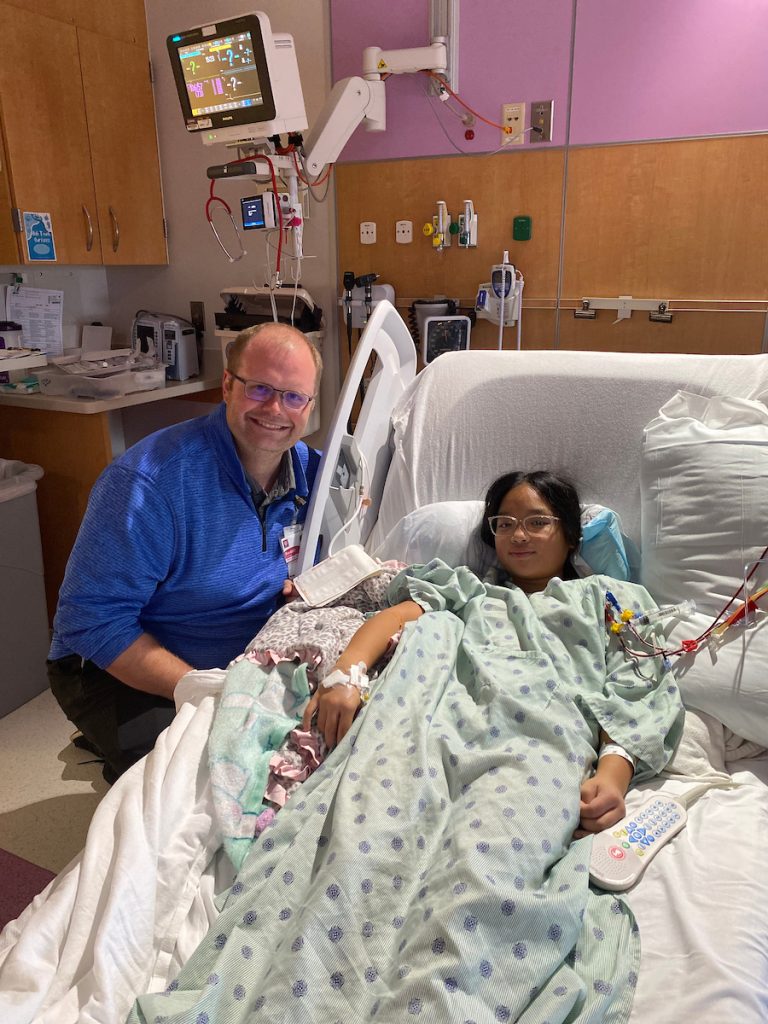
The procedure, performed at Riley Hospital for Children, represents a revolutionary shift from lifelong disease management to a potential cure. As the first and only health system in Indiana to offer this FDA‑approved gene therapy, Riley Children’s Health joins a small number of health systems nationwide able to deliver this complex, curative treatment.
Since the age of three, Elin’s life has been defined by monthly hospital visits for blood transfusions. These treatments were vital to maintain her hemoglobin levels and organ function, yet they carried the persistent risk of dangerous iron overload, a side effect that can lead to chronic fatigue and weakness, or life-threatening complications, including liver damage and heart failure.
“This means freedom from this condition for Elin,” said Monica Lewis, Elin’s mother. “After years of monthly transfusions, this is truly life-changing. The entire care, from the doctors, the nurses, to everyone who supported us on this journey, was incredible. Elin didn’t skip a beat—she’s already back on the trampoline practicing her gymnastic stunts, just being a normal kid. She has a bright, healthy future ahead of her.”
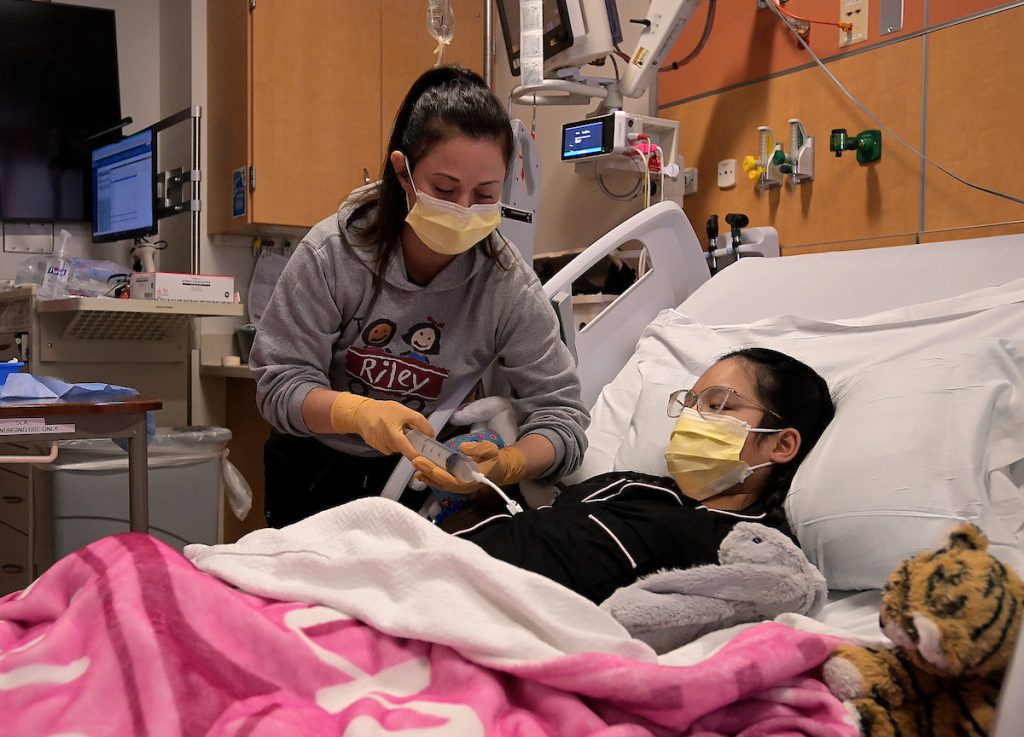
The novel therapy uses a patient’s own blood stem cells, which are collected, genetically modified in a laboratory to include a functional copy of the beta-globin gene, and then infused back into the patient. Once reintroduced, the modified cells engraft in the bone marrow and produce healthy red blood cells with functional hemoglobin. Clinical data shows up to 90% of transfusion-dependent thalassemia patients who complete the therapy no longer require blood transfusions. The process occurs over several months and involves patient preparation similar to that required for a bone marrow stem cell transplant.
Elin’s stem cells were collected in November 2025 at Riley Hospital and modified off-site before she returned to Riley Hospital in February 2026 to prepare for the modified cells to be transplanted back into her body. She was discharged one month after her infusion and is currently engrafted with her gene-modified cells as expected.
Beta-thalassemia most commonly affects individuals of Mediterranean, South Asian, and Middle Eastern descent. Until recently, the only curative option was an allogeneic stem cell transplant, a complex procedure requiring a donor and carrying serious risks, including rejection and graft-versus-host disease (GVHD), both potentially life-threatening complications. This new gene therapy eliminates the need for a donor and removes the risk of GVHD, a major barrier to safe, effective therapy for many patients.
“Years of progress in gene addition and collaboration between researchers and clinicians made this moment possible,” said Dr. Jonathan Bardahl, a pediatric stem cell transplant physician who performed the procedure. Dr. Bardahl completed his fellowship training in stem cell transplant at the Children’s Hospital of Philadelphia, helping study and deliver these types of therapies before arriving at Riley Children’s Health in 2024. “This is such a big step for Riley to be offering these next-generation therapies. Elin’s success paves the way for other patients at Riley and across Indiana. We anticipate her new gene-modified stem cells will continue making more stable hemoglobin, and hopefully she will require no more red blood cell transfusions for the rest of her life.”

The therapy is delivered through the Riley Red Blood Cell (RBC) Curative Clinic, established in early 2024 to provide comprehensive, multidisciplinary care. Dr. Bardahl, director of the clinic, and Dr. Seethal Jacob, director of the comprehensive hemoglobinopathy program at Riley Children’s, host this clinic alongside psychology, social work, and fertility specialists for patients with sickle cell disease, thalassemia, and other rare blood disorders. The curative clinic serves about 500 Riley families within the hemoglobinopathy program and is open to referrals for assessment, optimization of care, and review of treatment options that may be available for patients cared for at other facilities within Indiana and beyond.
This is a truly momentous occasion,” said Dr. Jacob. “Being able to discuss curative options, such as gene therapy, with our patients and their families marks a day many of us in hematology have long awaited. For children and adults living with sickle cell disease or thalassemia, this expands the range of potential treatments available to them, and we are proud to evaluate and support our patients through those options right here at Riley.”
For Elin and families like hers, the future now holds something that once seemed impossible — the prospect of life without transfusions, and a chance at a cure.

