

INDIANA — As warmer weather drives millions of Americans outdoors, the U.S. Food and Drug Administration (FDA) has issued a comprehensive safety consumer update to help hikers, gardeners, and campers outsmart poison ivy, oak, and sumac.
The culprits behind the agonizingly itchy rash, redness, and blisters are not the plants themselves, but a sticky, invisible plant oil found in their sap called urushiol. According to the FDA, symptoms can emerge anywhere from a few hours to several days after the oil makes contact with human skin.
To help consumers stay safe, the FDA highlighted how to identify these hazardous plants, clear up common misconceptions about contagion, and manage exposure.
Knowing Your Enemy: Identification
Because these poisonous plants look different depending on the species and the season, the FDA advises memorizing their distinct characteristics:
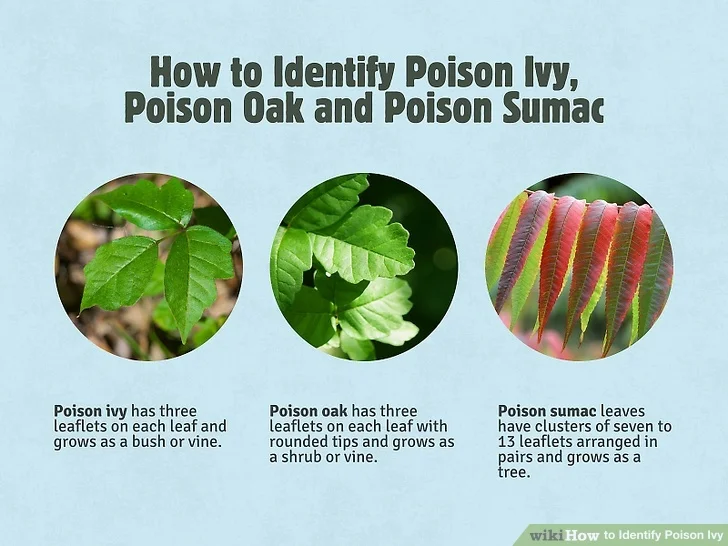
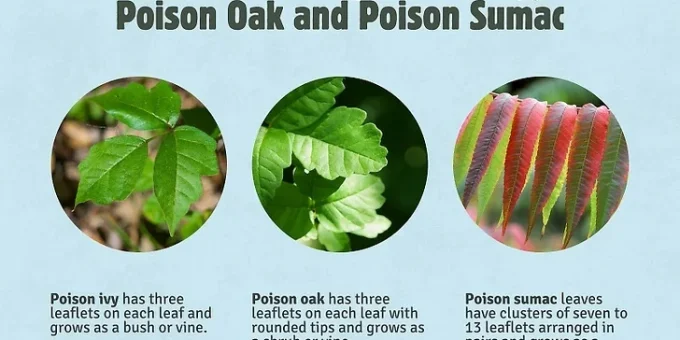
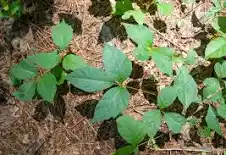
- Poison Ivy: Found across the entire U.S. (except Alaska, Hawaii, and parts of the West Coast), it grows as a vine or small shrub. It features the classic “leaves of three” structure with glossy leaflets that have smooth or toothed edges. The leaves change color dynamically: reddish in spring, vibrant green in summer, and yellow, orange, or red in autumn. It may also sprout greenish-white flowers and whitish-yellow berries.
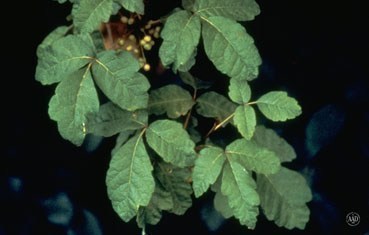
- Poison Oak: Primarily growing as a low shrub in the Eastern and Southern U.S., and as tall clumps or long vines on the Pacific Coast, poison oak features fuzzy green leaves in clusters of three with rounded, deeply lobed or toothed tips. It can produce yellow-white berries.
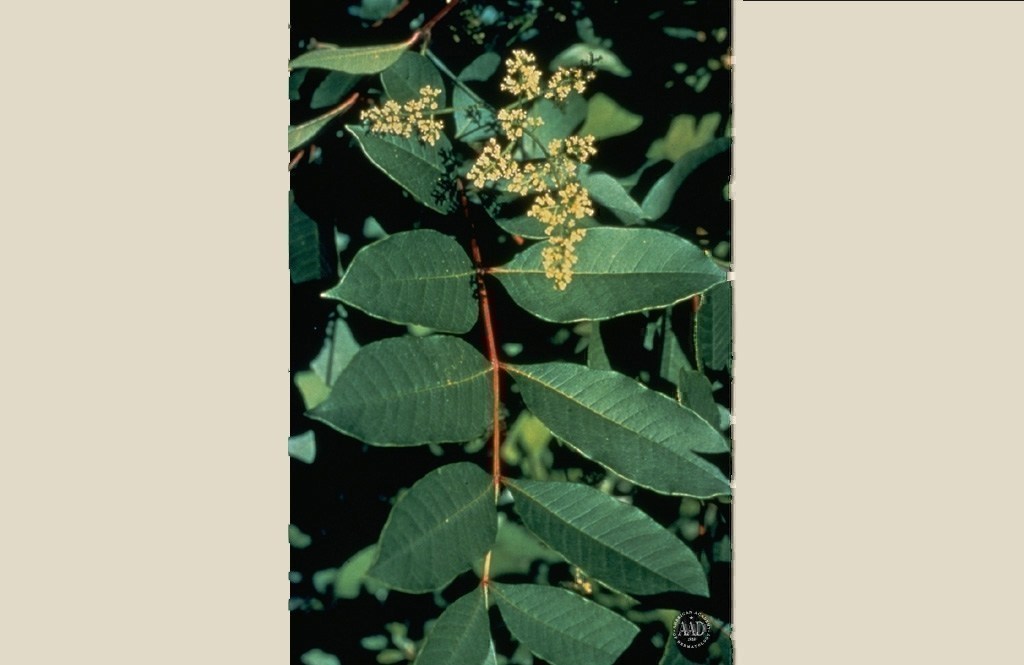
- Poison Sumac: This variant grows as a tall shrub or small tree, exclusively in bogs or swamps across the Northeast, Midwest, and parts of the Southeast. Each leaf contains a cluster of seven to 13 smooth-edged leaflets that turn from orange in the spring to green in the summer, and brilliant yellow, orange, or red in the fall.
Debunking the Myths: Rashes Aren’t Contagious
One of the most widespread myths the FDA addressed is that poison plant rashes are contagious.
“Poison ivy and other poison plant rashes can’t be spread from person to person,” the FDA stated. Furthermore, scratching a rash cannot spread it to other parts of your body.
If a rash appears to be spreading over a period of days, it is either because the skin absorbed the urushiol oil at different rates across different parts of the body or because of repeated contact with contaminated objects. Even if the resulting blisters break, the fluid inside them does not contain urushiol and cannot cause new rashes.
However, urushiol oil is notoriously resilient and can linger on virtually any surface—including clothing, garden tools, and doorknobs—for years until it is physically washed off with water or rubbing alcohol.
Pet Owners Beware
The FDA issued a specific warning regarding household pets. While most animals are entirely immune to the effects of urushiol, the oil easily transfers from a plant to a dog or cat’s fur. A human can then develop a severe reaction simply by petting their animal.

If a pet is suspected of brushing against a toxic plant, owners should wear thick rubber dishwashing gloves and wash their pet thoroughly using specialized pet shampoo and cool water.
Prevention and Treatment Strategies
If you suspect you have been exposed to a poisonous plant, the FDA recommends washing your skin with soap and cool water immediately to dramatically reduce the severity of the reaction. Gardeners should wear long sleeves, long pants tucked into boots, and impermeable gloves, washing their tools regularly.
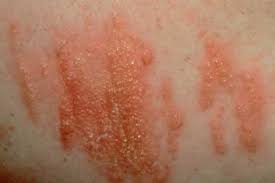
If a rash does develop, the primary rule is do not scratch. Scratching breaks the skin and introduces bacteria from under the fingernails, which can lead to severe secondary infections. While the rash typically clears up on its own within a few weeks, minor irritation can be treated at home:
- To dry up oozing and weeping: Apply over-the-counter (OTC) skin protectants such as calamine lotion, zinc oxide, zinc acetate, or zinc carbonate.
- To soothe severe itching: Use cool, wet compresses, soak in colloidal oatmeal or baking soda baths, or apply topical OTC hydrocortisone creams.
When to Seek Medical Attention
The FDA urges individuals to bypass home remedies and see a doctor or visit an urgent care clinic immediately if they experience any of the following severe symptoms:
- A body temperature exceeding 100°F.
- The appearance of pus, soft yellow scabs, or severe tenderness on the rash.
- Severe itching that worsens or prevents sleep.
- A rash that spreads to the eyes, mouth, genital area, or covers more than one-quarter of the body.
- Difficulty breathing.

