


WASHINGTON, D.C. – During Mental Health Awareness Month, the National Association of Social Workers (NASW) emphasizes the urgent need to strengthen the nation’s mental health workforce as demand for care continues to rise. Social workers are a critical part of the behavioral health system, providing mental health services in schools, hospitals, community agencies, veterans’ services, private practice, and other settings where people seek support.
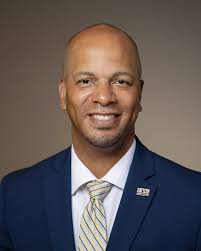
“Social workers are the largest providers of behavioral health services in the United States, but the system cannot meet rising demand if we do not invest in the workforce,” said NASW CEO Dr. Anthony Estreet. “People are seeking help at higher rates, but low reimbursement, high caseloads, student debt, and burnout are pushing too many professionals out of the field. If we want more people to get care, we have to make it possible and attractive for social workers to stay in this profession.”
Federal data show that 40% of the U.S. population lives in a Mental Health Professional Shortage Area (Mental Health HPSA), where only about one-quarter of the provider need is met. These shortages can lead to long wait times, delayed assessments, and fewer options for people who need care, particularly in rural communities, schools, and other underserved areas. The shortage also widens existing disparities for Black and brown communities, low-income communities, veterans, rural residents, and youth who often face additional barriers to care. In schools, too few mental health professionals can mean students’ needs go unmet until they reach a crisis point.
Social workers are uniquely positioned to help close these gaps. Clinical social workers provide assessment, diagnosis, treatment, prevention, and advocacy, while social workers across practice areas help connect individuals and families to housing, health care, education, public benefits, and community supports that shape mental health and well-being.
NASW calls for policy solutions that strengthen the behavioral health workforce and improve access to care, including increased funding for mental health services, stronger reimbursement rates, manageable caseloads, loan relief, workplace safety protections, and policies that protect the education pipeline for future social workers. The organization also supports implementation of the Social Work Licensure Compact, which is designed to reduce barriers to practice across state lines and expand access to care in underserved and rural communities.
The organization is also urging policymakers to address additional pressures that make it harder to recruit and retain social workers. Recent federal student loan limits could make graduate social work education less accessible at a time when the mental health workforce is facing a shortage. NASW has also endorsed the bipartisan Mental Health Access and Provider Support Act, which would increase Medicare reimbursement for clinical social workers from 75% to 85% of the physician fee schedule, helping improve compensation and sustain access to care for Medicare beneficiaries. Workplace safety is another urgent concern, with the organization advocating for protections that help ensure social workers can serve communities in environments where their safety is prioritized.
During Mental Health Awareness Month, NASW urges policymakers, employers, insurers, and community leaders to:
- Increase investment in the social work and mental health workforce
- Strengthen reimbursement rates so providers can sustain services
- Protect student loan access and loan relief programs that make social work education more accessible
- Reduce administrative barriers and excessive caseloads that contribute to burnout and delay care
- Expand school-based, community-based, and culturally responsive mental health services
- Improve workplace safety protections for social workers and other health and social service professionals
- Advance licensure mobility to help providers serve communities across state lines
“Mental health awareness must be matched by action,” Dr. Estreet said. “That means investing in the social work workforce, reducing barriers to care, and addressing the policies and workplace conditions that determine whether social workers can enter this profession, remain in it, and reach the people who need help.”
To learn more about how social workers can help people overcome mental health challenges, visit Help Starts Here.

