

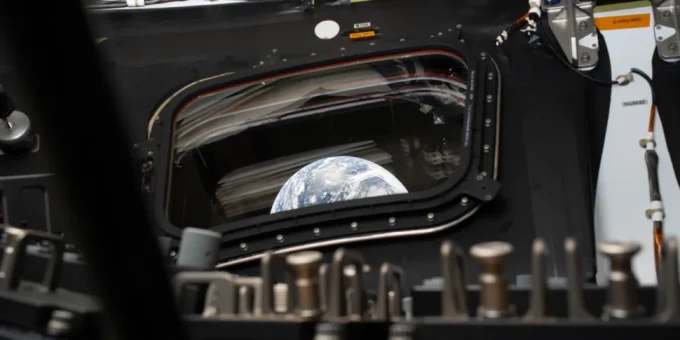
HOUSTON — NASA has pulled back the curtain on the most extensive visual record of deep space travel in over half a century. Following the historic return of the Artemis 2 mission, the agency has officially released a staggering archive of 12,217 photographs captured by the crew during their journey around the Moon.
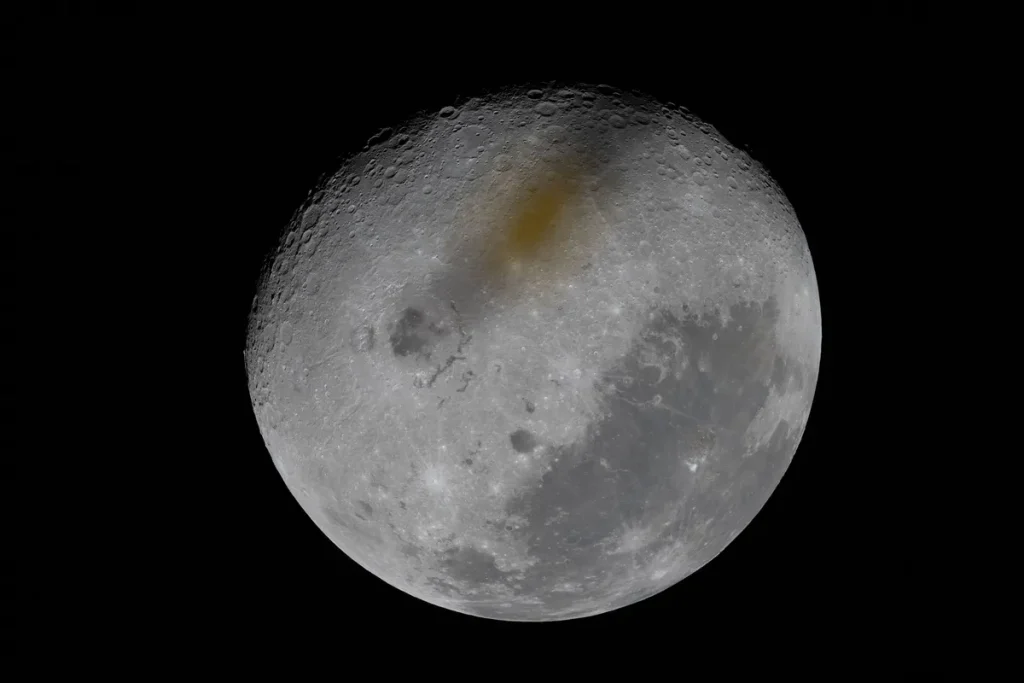
The collection offers a rare, high-definition look at the lunar surface and our own planet from a perspective not seen by human eyes since the end of the Apollo program in 1972.
The 10-day mission, which launched on April 1, 2026, carried NASA astronauts Reid Wiseman, Victor Glover, and Christina Koch, along with Canadian Space Agency astronaut Jeremy Hansen, aboard the Orion capsule Integrity.
While the crew transmitted several “teaser” images via radio waves during the flight, the sheer volume of data—totaling over 12,000 files—was too massive for deep-space transmission. NASA technicians had to wait for the mission’s successful splashdown in the Pacific Ocean on April 10 to physically retrieve the SD cards from the spacecraft.
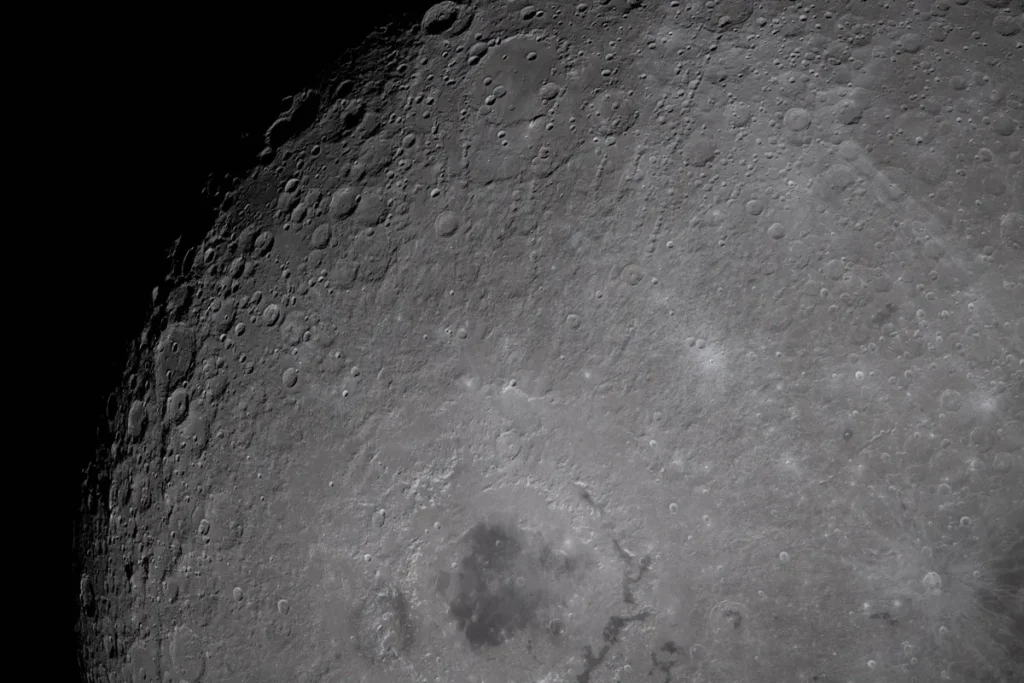
After weeks of processing and cataloging, the full library is now available to the public.
The archive provides an immersive look at life inside and outside the Integrity capsule. Highlights of the collection include:
- Earthrise Redux: Breathtaking shots of Earth appearing as a “marble in the dark,” captured as the crew rounded the lunar limb.
- The Lunar Far Side: Detailed, close-up photography of the cratered “dark side” of the Moon, showing terrain that remains invisible from Earth.
- Life in Deep Space: Candid photos of the four-person crew managing daily operations and conducting experiments inside the Orion cabin.
- The “Integrity” View: Unique angles of the spacecraft’s hardware set against the stark contrast of the lunar horizon.
How to View the Collection
Space enthusiasts and researchers can now explore the full 12,217 images. The user-friendly archive allows the public to scroll through the mission chronologically, from the initial ascent to the final moments before re-entry.
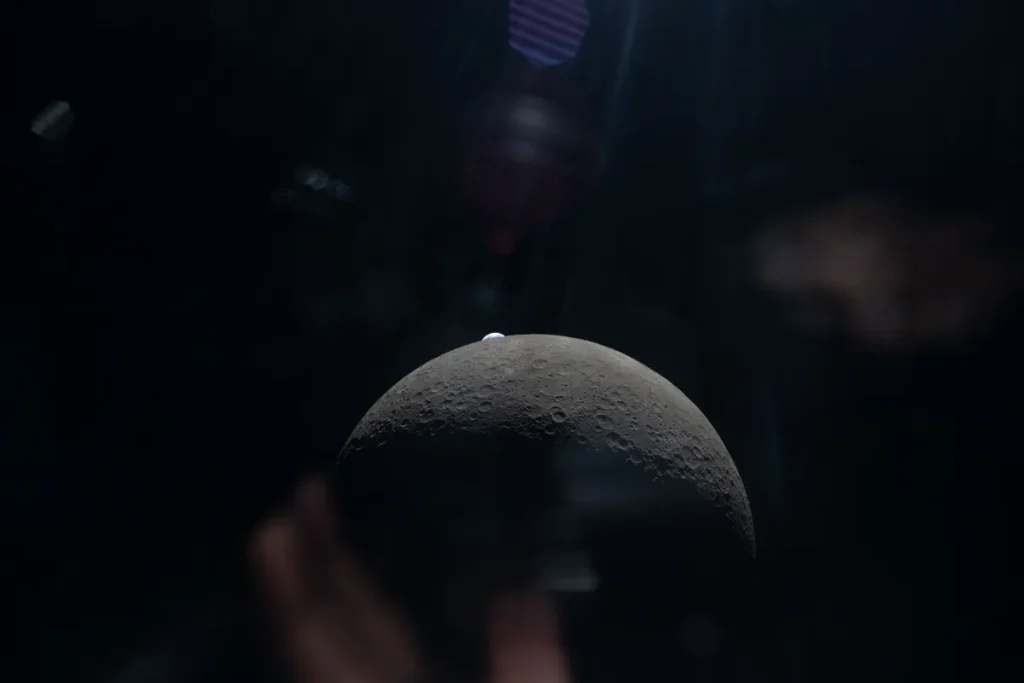
“These aren’t just pictures; they are the first human-captured images from beyond low Earth orbit in more than 50 years,” NASA officials stated. “They show our home planet and its celestial neighbor in brand new, incredible ways.”
The release of these photos marks a major milestone for the Artemis program as NASA prepares for Artemis 3, the mission intended to land the first woman and first person of color on the lunar surface.

