

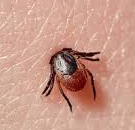
INDIANA – As warmer weather draws Hoosiers outdoors for springtime adventures, health officials are reminding the public to watch out for dangerous tagalongs: ticks.
Bites from these tiny, parasitic hitchhikers put both humans and animals at risk for serious, life-altering illnesses. Among the most common threats are Lyme disease, ehrlichiosis, and alpha-gal syndrome—a condition triggered by lone star ticks that can cause a severe, permanent allergy to red meat.
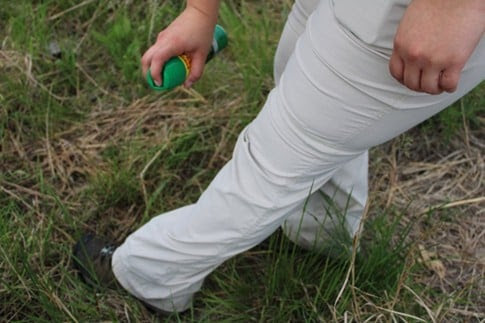
Fortunately, public health experts say that a few simple preventative steps can significantly reduce your risk of a tick encounter.
Top Tips for Tick Prevention
- Dress Appropriately: When heading into wooded or grassy areas, wear long sleeves and pants. Opt for light-colored clothing, which makes it much easier to spot the dark, tiny pests crawling on your fabric before they reach your skin.
- Use Repellents: Apply a chemical barrier before heading out. Experts recommend using a tick repellent that contains DEET, picaridin, or another EPA-approved active ingredient.
- Stick to the Trails: When hiking, always stay on marked trails. Avoid veering into high grass, brush, and heavy leaf litter, which serve as primary habitats where ticks wait to hitch a ride on passing hosts.
The most important defense happens after the adventure is over. Experts stress the necessity of performing a thorough tick check on yourself, your children, and your pets immediately after spending time outdoors.
Because ticks often seek warm, hidden areas, be sure to check behind the knees, around the waist, in the armpits, and through hair.
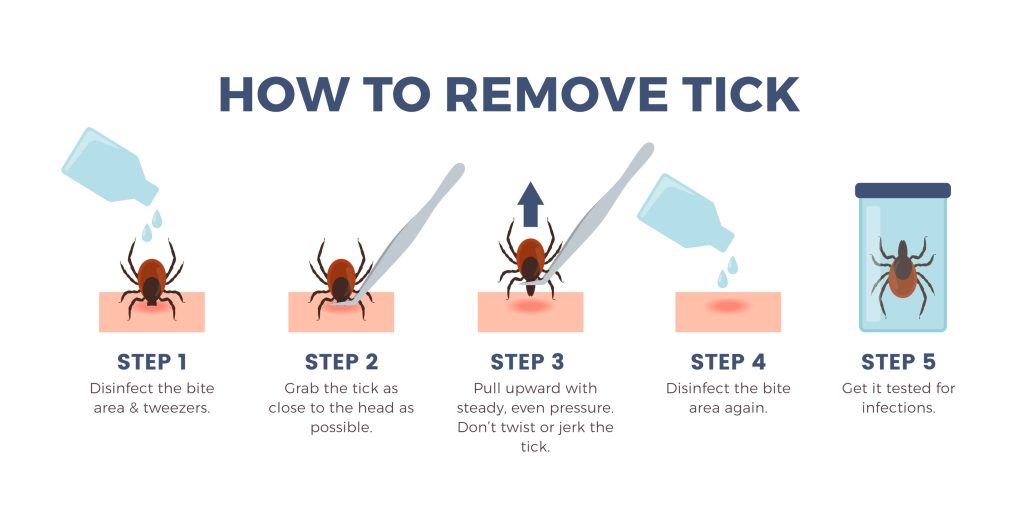
If you find a tick, it is vital to remove it as soon as possible using fine-tipped tweezers, pulling straight up with steady pressure. Early removal drastically decreases the chances of disease transmission.
For more information, visual identification guides, and resources on tick bite prevention, visit the Indiana Department of Health’s official website.

