INDIANA— The Indiana Department of Natural Resources (DNR) is inviting the public to step out of the classroom and into the mud this spring. In a rare departure from educator-only training, the Division of Fish & Wildlife has announced “Rooted in Action,” a series of immersive conservation workshops led by state expert Kathy Madren.
The workshops, scheduled for May 5 and June 2, offer Hoosiers a chance to participate in high-level conservation efforts alongside Madren, an education outreach specialist and state coordinator for the acclaimed Project WET and Project WILD programs.
Hands-On Conservation: The 2026 Public Series
While Madren typically spends her time training teachers on how to bring environmental science to K-12 students, these two sessions are designed for any resident eager to get their hands dirty for the sake of Indiana’s ecosystems.
Location: Begins at Wright Center, Martell Forest (West Lafayette); ends at Purdue Wildlife Area.
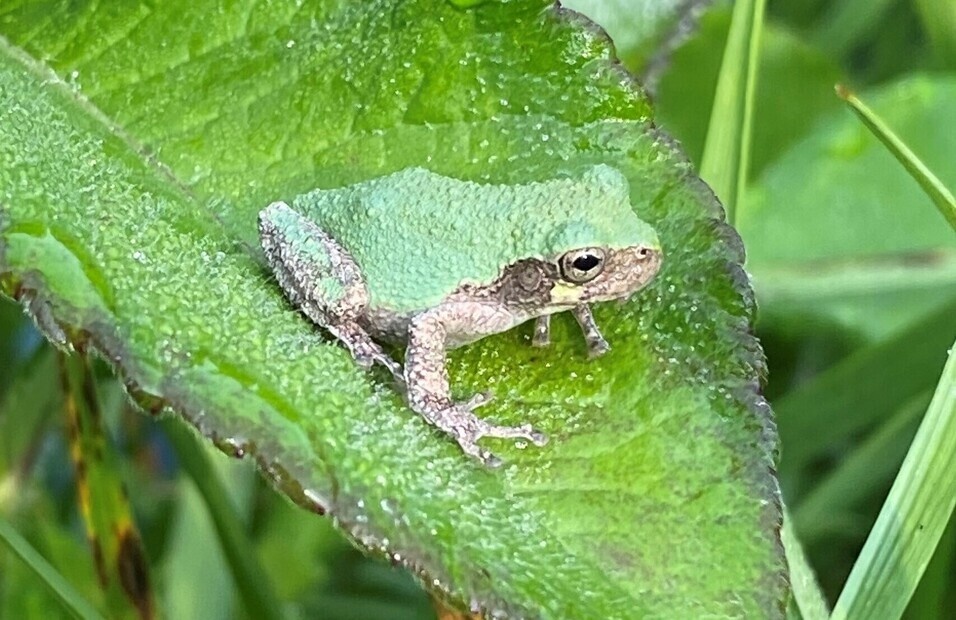
The Experience: Participants will join a field expedition as the evening “frog chorus” begins. The session includes searching for amphibians in local wetlands and learning about the research and conservation efforts required to protect these vulnerable species.
Pro-Tip: Attendees are encouraged to bring rubber boots, waders, and a headlamp.
Location: Indiana Dunes and Swales (Region-specific details provided upon registration).
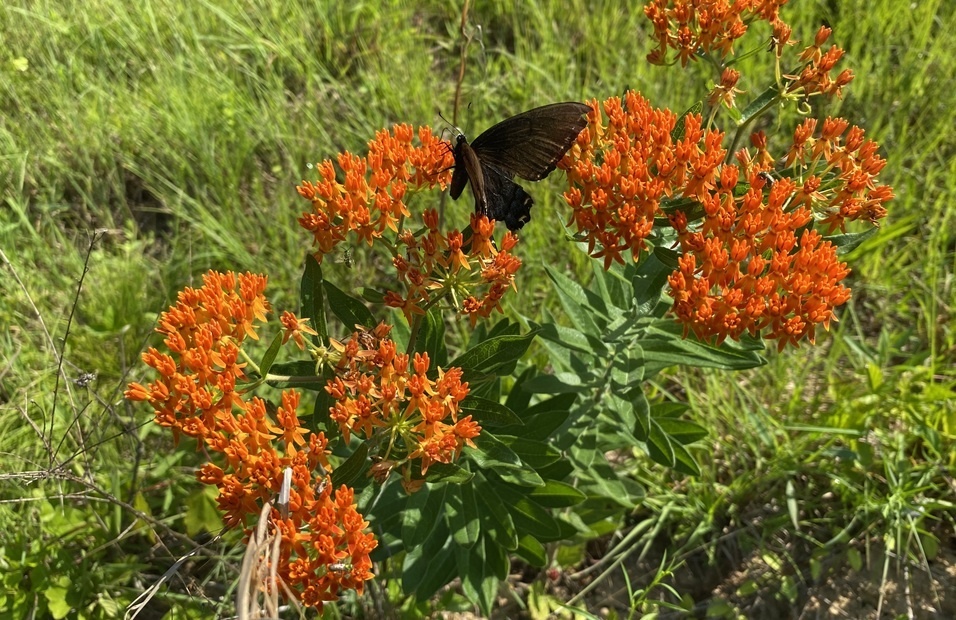
The Experience: This workshop focuses on the critical relationship between native Indiana flora and the pollinators that sustain them. Participants will traverse the unique “dune and swale” topography—one of the rarest habitats in the world—to identify native plants and observe pollinators in action.
Why It Matters: The State of Indiana’s Wildlife
The workshops come at a vital time for Indiana’s natural heritage. According to the DNR, many of Indiana’s native pollinators and amphibians are facing habitat fragmentation.
Amphibian Watch: Species like the Eastern Hellbender and various salamanders rely on clean, undisturbed Indiana waterways. These workshops teach the public how to monitor water quality and protect nesting sites.
The Power of Pollinators: With nearly 35% of global crop production relying on insect pollination, the DNR is emphasizing the use of native plants (like Milkweed and Joe-Pye Weed) to create “pollinator corridors” across the state.
The goal is to improve access to environmental education throughout Indiana, according to Madren. These workshops aren’t just about watching; they’re about giving people the tools to take action in their own backyards and communities.
These events are free to the public, but registration is required due to the hands-on nature of the field components. Educators attending the May 5 workshop are eligible to receive 4 Professional Growth Plan (PGP) points.
For more information or to register, residents can visit the Indiana DNR events calendar or contact the Division of Fish & Wildlife outreach office.