


INDIANA – Recently, while sitting in the cafeteria during fourth, third, and first-grade lunch, I noticed how many children were drinking dye-laden beverages, eating candy and processed foods, and generally lacking nutritious options in their lunchboxes or on their cafeteria tray.
I watched a first grader eat candy, a cookie, and a bag of chips for his lunch. There was no protein or anything of real nutritional value. This child struggles with emotional regulation, which raises the question: If his lunch included fruits, vegetables, and lean proteins, would he experience the same emotional difficulties? My guess is probably not.
After consuming ultra-processed foods, many children struggle with dysregulated behavior, difficulty focusing, poor memory, and heightened emotional responses during classroom learning time, all of which can have significant implications for their academic success.
According to IN.gov, some Indiana school districts have implemented a variety of healthy food initiatives to improve student nutrition, supported by state and federal grants. These include Farm to School programs, scratch cooking, and increased access to fresh produce. Farm to School Programs currently operate near Fort Wayne and surrounding areas, partnering with local farmers to provide fresh fruits, vegetables, meats, and dairy. The Indiana Grown for Schools initiative also supports schools in creating gardens and educating students about nutrition in the classroom.
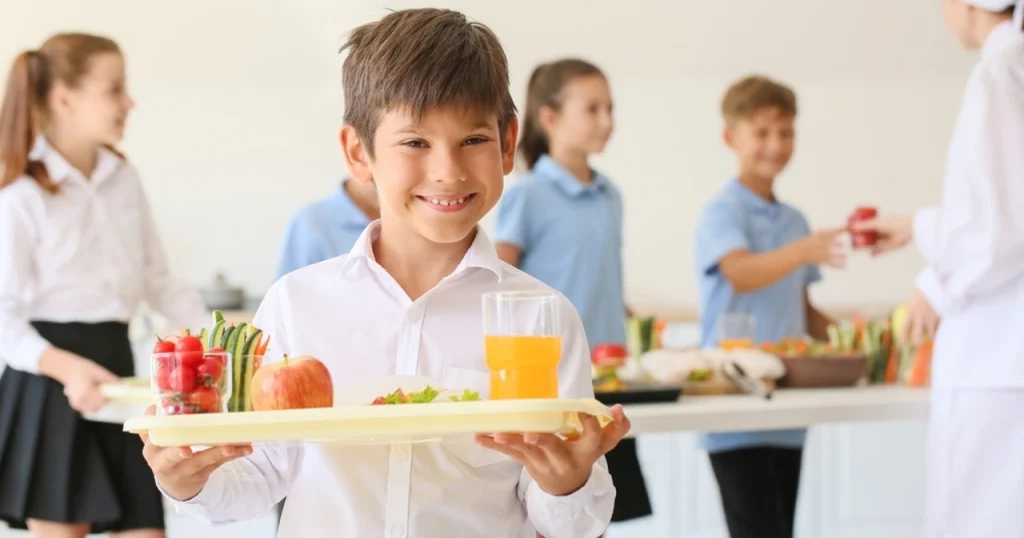
The previous school my children attended in Southwest Indiana had a community garden where students could participate in planting, weeding, and harvesting crops. Some schools are also offering more nutritious menu options, including salad bars and scratch-made meals. Warrick County receives enhanced funding to support local public health services, including initiatives that promote improved health outcomes through better nutrition by increasing access to fresh foods and made-from-scratch menu options.
There are also targeted nutrition assistance programs in some schools, such as the Food 4 Kids Backpack Program, which provides students in low-income areas with nutritious weekend meals to support food security. Upcoming legislative changes are also being proposed, such as House Bill 1137, which aims to ban certain food dyes and additives in school meals, with proposed implementation by the 2027 school year.
These initiatives are designed to expand access to healthier options at school, reduce food insecurity and support local agriculture. This is a step in the right direction, but should all school districts, not just a select few, be required to participate in these efforts? And what more can be done to support families in providing more nutritious options when children bring lunches from home? If we want students to function at their best, we need to educate, support and provide resources to families to encourage healthy eating habits.
As a school mental health professional, I see the far-reaching effects of a highly processed diet on children’s cognitive, emotional, and executive functioning, as well as their overall health. This directly impacts student success. How can we further legislation that promotes nutritious foods in schools, secure more funding for these initiatives, and support families in becoming more invested in their children’s nutrition?
The connection between nutrition and behavior is still an emerging area of focus, but as counselors and mental health professionals, we must advocate for families and educate both school systems and caregivers on the importance of providing nutritious food so students can perform at their best. After all, the old saying still rings true: you are what you eat.

Kelly McClarnon, MSW, LCSW, is a Youth First Mental Health Professional at Evansville Christian School in Warrick County. Youth First, Inc., is a nonprofit dedicated to strengthening youth and families. Youth First provides over 100 highly trained mental health professionals (primarily master’s level social workers), prevention programs, parent engagement coordinators, and bilingual support personnel to 130 schools across 14 Indiana counties. Over 55,000 youth and families each year are served by Youth First’s school-based social work and community programs that promote mental health, prevent substance misuse, and maximize student success. To learn more about Youth First, visit youthfirstinc.org or call 812-421-8336.

