

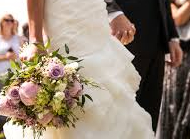
INDIANA — Love and family have long defined the walk down the aisle, but a closer look at modern weddings in 2026 reveals that many of the rituals that once defined “I do” are quietly fading. As couples prioritize personality over formality, the “cookie-cutter” wedding is being replaced by celebrations that are as unique as the individuals themselves.
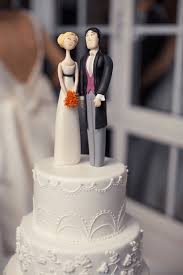
From superstitions born in the age of arranged marriages to trends that have gone out of style, today’s couples are rewriting the rulebook. Whether driven by a desire for authenticity or the practicalities of a shifting economy, the wedding landscape is undergoing a significant transformation.
Before the Ceremony: Trading Superstition for a Snapshot
The hours leading up to the vows are no longer shrouded in secrecy. Many couples are trading old-world nerves for modern convenience.
The “First Look” Revolution: The tradition of not seeing each other before the ceremony—originally intended to prevent couples from backing out of arranged marriages—has largely evolved. Many couples now opt for a “First Look” photo session. This allows them to capture emotional reactions privately and finish portraits before the ceremony, freeing up their “Golden Hour” to socialize with guests.
A Splash of Color: While Queen Victoria popularized the white gown in 1840 to symbolize wealth and purity, 2026 trends see a rise in vibrant color palettes. Brides are increasingly choosing gowns in “funk fuchsia,” sunset orange, or even earthy chartreuse to reflect their personal style.
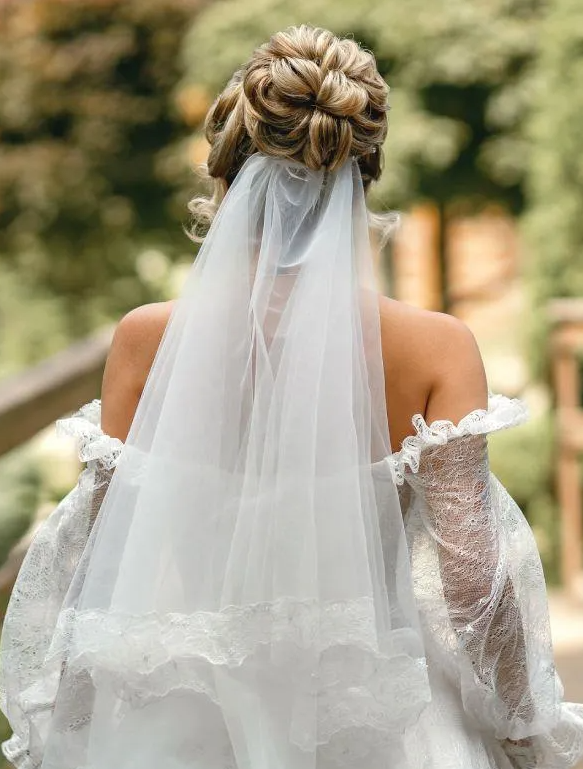
The Veil’s Vanishing Act: Once used to ward off evil spirits or signify modesty, the veil is now frequently swapped for architectural hairpieces, fresh flowers, or “old money” sleek buns.
The Reception: From Formal Structure to Flexible Festivities
The classic, regimented reception is giving way to a more relaxed “party” atmosphere focused on organic connection.
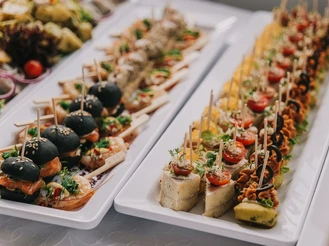
Flexible Feasts: The full sit-down, three-course dinner is no longer the default. Couples are leaning toward food-as-experience, featuring late-night slider stations, pasta walls, or family-style servings that encourage conversation.
Ditching the Roast: Heartfelt, sincere speeches are replacing the “roast-style” toasts of the past. Modern couples prefer to avoid the potential for awkward or offensive moments, prioritizing emotional depth over cheap laughs.
The End of Uniformity: The era of identical bridesmaid dresses is fading. Instead, “mismatched” bridal parties—where friends choose different styles or prints within a cohesive color story—are the new norm, allowing for more comfort and less post-wedding waste.
The New Wedding Economy: 2026 by the Numbers
The shift in traditions is also being driven by financial reality. As the average wedding cost in the U.S. climbs toward $36,000, couples are becoming more intentional about where every dollar goes.
| Trend | 2026 Outlook |
| Average Cost | $36,000 (Median is closer to $13,000) |
| Guest Count | 100–150 remains the most common range |
| Sustainability | High priority; repurposed florals and digital invites are standard |
| Photography | A resurgence in film photography for a nostalgic, authentic look |
Goodbye to the Awkward and the Antiquated
Several participatory rituals, once reception staples, are being skipped entirely to make the day more inclusive.
Bouquet & Garter Tosses: These are frequently being replaced by “anniversary dances” (where the longest-married couple is honored) or simply more time on the dance floor.

Rice Throwing Alternatives: Concerns over mess and local wildlife have led to the “Grand Exit” being reinvented. Couples now favor biodegradable flower petals, bubble machines, or “cold spark” fountains for a cinematic departure.
The “Dollar Dance” Decline: Often perceived as awkward or transactional, this custom is being phased out in favor of “honeymoon funds” or digital registries.
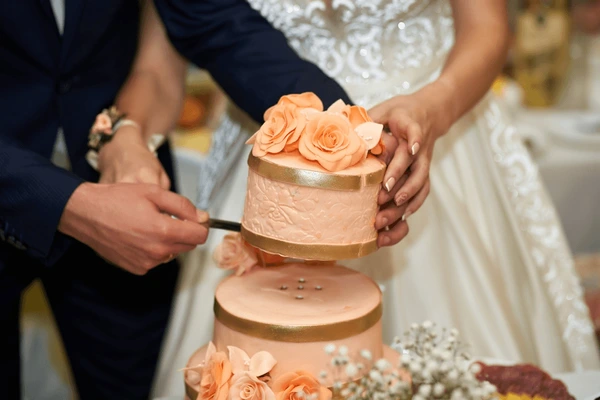
Fresh Over Frozen: Rather than eating a year-old frozen cake tier on their first anniversary, many couples now order a fresh mini-cake from their original baker to celebrate one year of marriage.
Weddings in 2026 are about connection, not just collection. Couples want to look back and see themselves in the details, not just a list of chores they felt they had to do because their parents did them.
As modern weddings evolve, it’s clear that the ultimate tradition is to create a celebration that is uniquely and unapologetically personal.

