

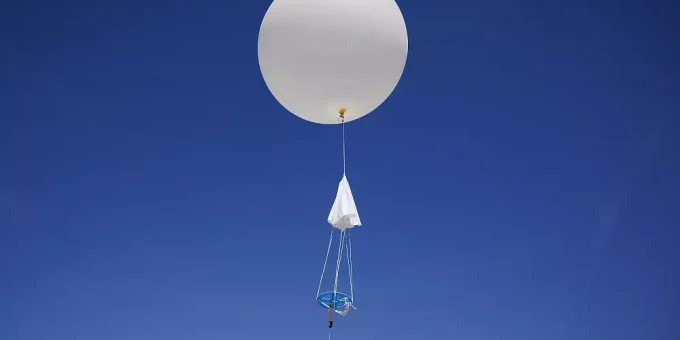
BLOOMINGTON — Researchers and students at Indiana University Bloomington have launched a new weather balloon initiative to improve local forecasting accuracy and contribute to vital national atmospheric research.
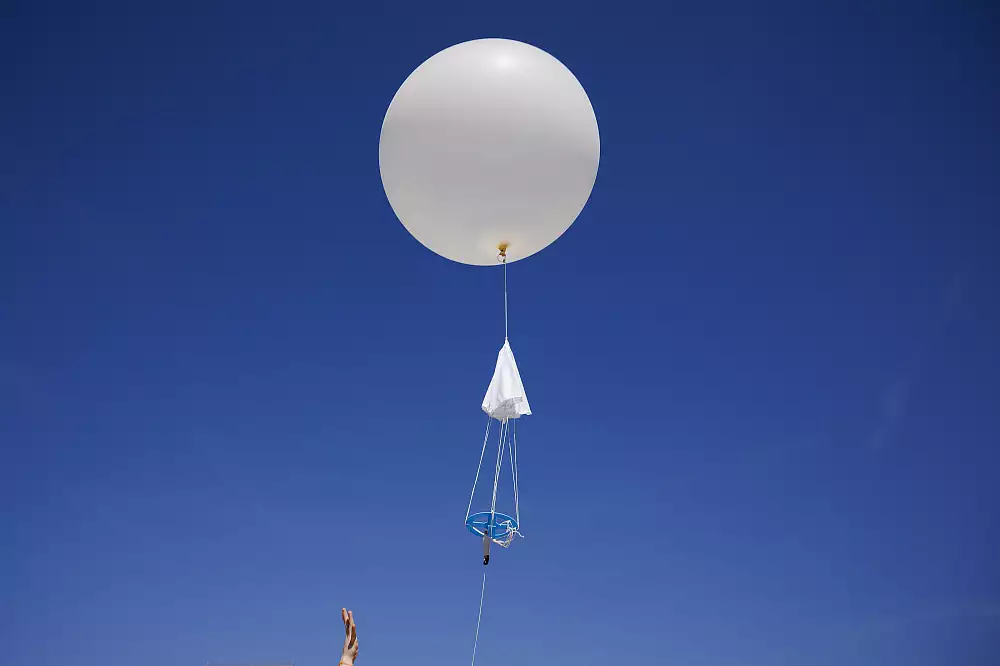
Led by Associate Professor Travis O’Brien and faculty member Cody Kirkpatrick, the program successfully launched its first balloon in February 2026. The initiative aims to address a “weather data desert” in Indiana, where local forecasts have historically relied heavily on computer models that can struggle to accurately predict thunderstorm development and convection without real-world data.
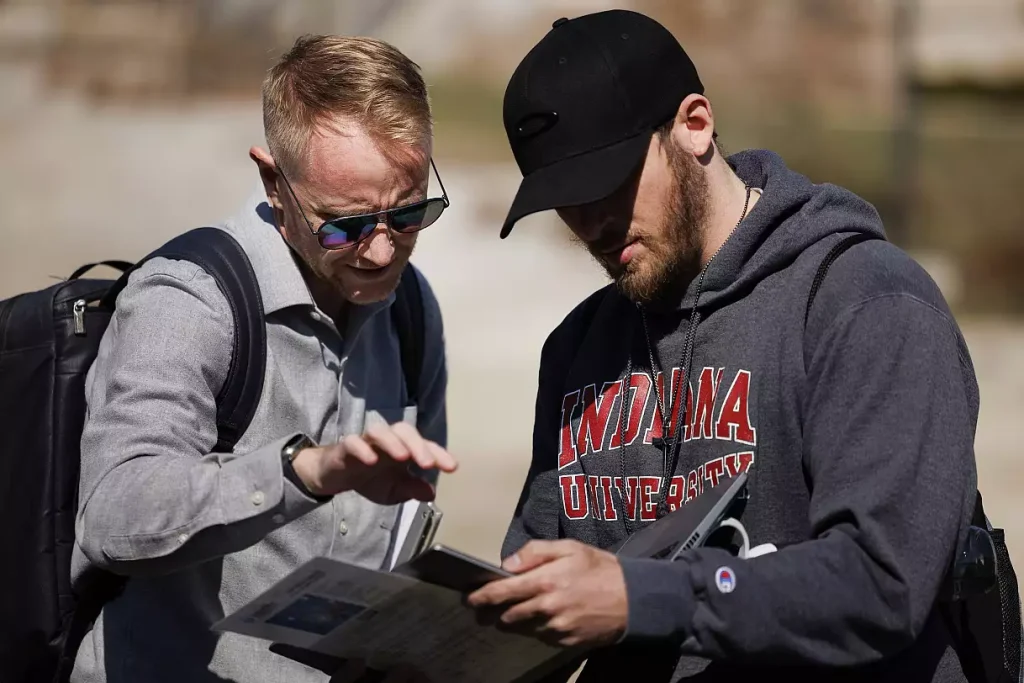
The balloons carry a radiosonde—a specialized instrument package—to altitudes between 60,000 and 100,000 feet. During a typical two-hour flight, these sensors transmit real-time data on:
- Barometric pressure
- Temperature
- Humidity
- Wind speeds
This information is shared directly with the National Weather Service in Indianapolis. “Especially during a high-impact weather season, the earlier we can get warnings out, the better we can all prepare for tornadoes, high wind damage, and severe storms,” said O’Brien.
Beyond local benefits, IU is one of 20 universities collaborating with the Atmospheric River Reconnaissance group. By launching balloons simultaneously across the country, researchers are creating a three-dimensional map of “atmospheric rivers”—long bands of water vapor that drive extreme weather.
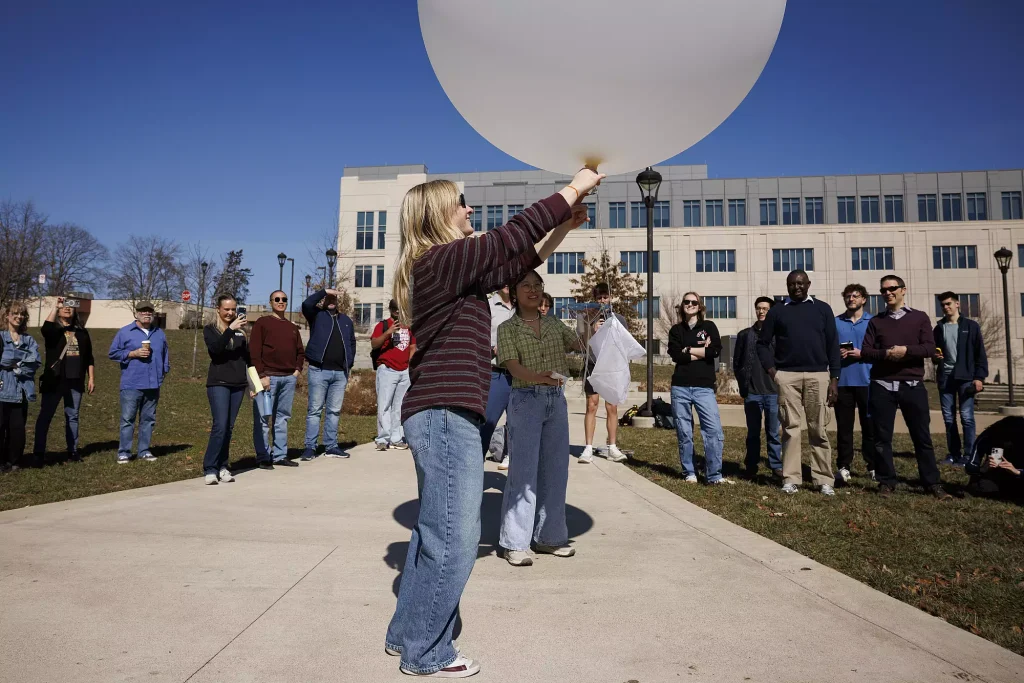
Data from these synchronized launches has been shown to dramatically improve predictions of significant rain and snow events.
The initiative also serves as a hands-on laboratory for students in the Department of Earth and Atmospheric Sciences. Junior Colton Oliver noted that seeing immediate data after a launch provides a unique perspective on theoretical classroom concepts.
“We’re improving local forecasts, we’re contributing to national research, and on top of that, we’re training the next generation of meteorologists,” O’Brien said.
The program intends to launch balloons at least once a week while classes are in session. While most radiosondes are discarded after their 120-mile journey, some are recovered by “sonde hunters”—hobbyists who track the devices via GPS after they parachute back to earth.